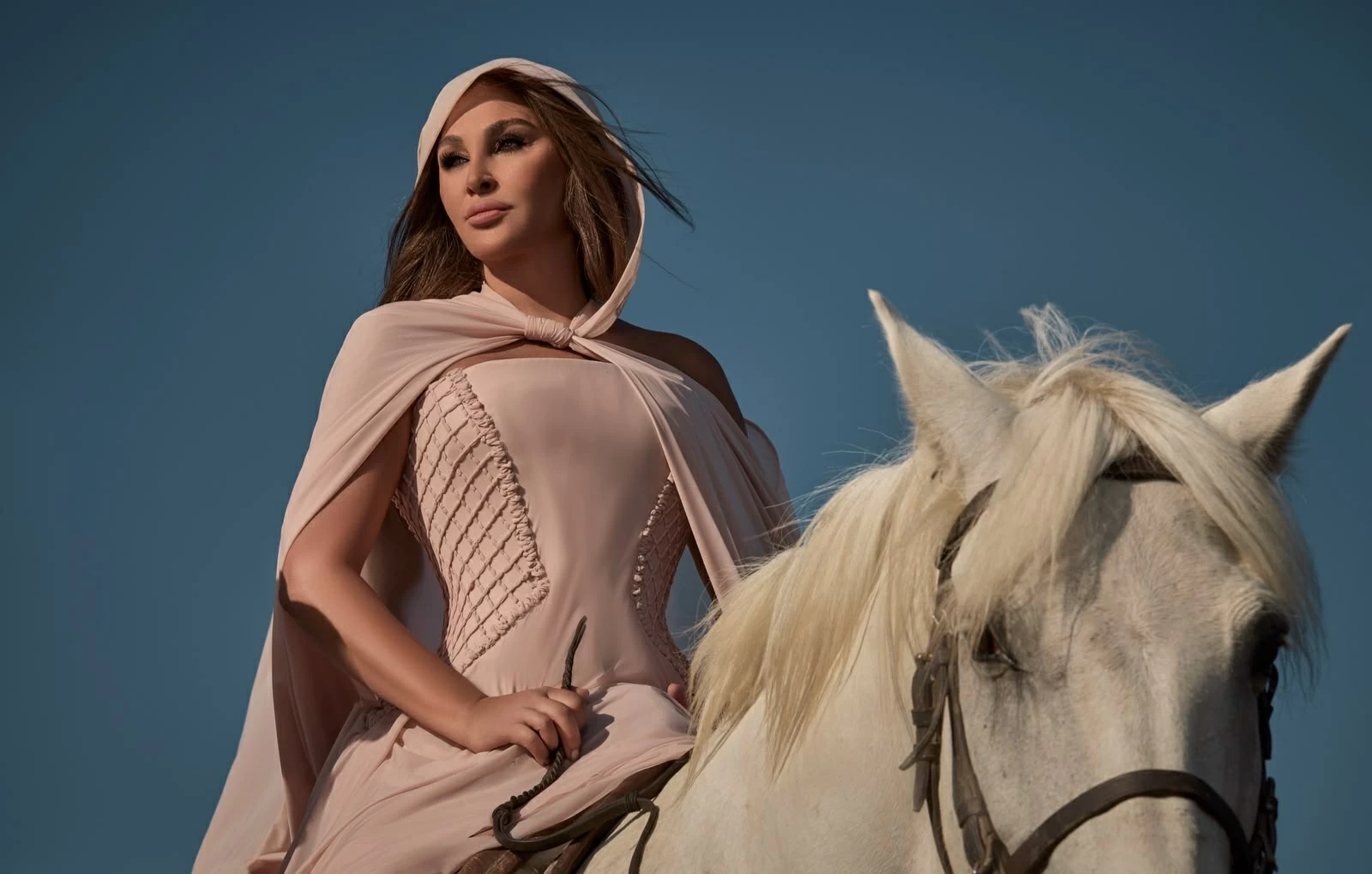
في محطة فنية استثنائية تنبض بالخصوصية والعمق، أطلقت النجمة اللبنانية إليسا ألبومها الرابع عشر في مسيرتها المظفرة، مختارة له عنواناً يحمل دلالات هوياتية وتاريخية عميقة: «أليسار» (ELISSAR). هذا المشروع الموسيقي المتكامل لا يُمثّل مجرّد إضافة عادية إلى رصيدها، بل يختصر ملامح مرحلة جديدة من النضج، والتحرّر الإبداعي، والسيادة المطلقة على خياراتها الفنية.
إليسا منحت الألبوم اسمها الحقيقي: أليسار زكريا خوري، ليستحضر في طياته إرث ملكة قرطاج الفينيقية كرمز تاريخي للقوة والاستقلال. ولخّصت إليسا رسالة هذا الاختيار قائلة لجمهورها: «أليسار ليس مجرد اسمي الحقيقي، بل هو الاسم الذي يحمل بقلبه قصتي، وهويتي وكل نسخة كنتها وسأكونها».
ويعكس العمل، وهو ثاني ألبوم تنتجه إليسا بالكامل عبر شركتها الخاصة (E-Records)، استقلاليتها الإنتاجية، متزامناً مع شراكة عالمية مع (Believe Artist Services) وحملة تسويقية ضخمة توّجت بظهور صورتها على لوحة إعلانية عملاقة في ساحة «تايمز سكوير» بنيويورك.
وفي خطوة جريئة ومتمردة على معايير السوق الحالية وطريقة الطرح المعتادة (السينغل)، اختارت إليسا طرح أغنيات الألبوم الأربع عشرة دفعة واحدة، ودون تصوير فيديو كليب، إيماناً منها بالعودة إلى الجذور ومنح الجمهور حرية اكتشاف العمل وصوغ حكاياتهم الخاصة بعيداً عن سباق الأرقام.
وتوزعت الأغنيات بين 9 أغنيات باللهجة المصرية، و4 باللهجة اللبنانية، وأغنية خليجية بارزة حملت عنوان «شتا الرياض» (كلمات عبدالله الملحم وألحان رامي الشافعي)، لتشكل محطة فارقة كأول أغنية أصلية لإليسا باللون الخليجي.
وجمع الألبوم نخبة من أبرز صنّاع الموسيقى؛ فتجددت الكيمياء مع الفنان مروان خوري في 3 أغنيات لبنانية («اعطيني غمرة»، «مطارات»، «بدي ياك»)، وتألقت بألحان تامر عاشور («هبطل أحب»، «وشّي نوّر»)، وبصمات عزيز الشافعي («كشف الحساب»، «الأوضة الضلمة»)، فضلاً عن أعمال تنبض بالأمل مثل «ليل يا ليل» والانتصار لكرامة المرأة مثل «سهلة الأذية».
ولضمان جودة استثنائية، خضع الألبوم للمسات الهندسية النهائية في استوديوهات (Bernie Grundman Mastering) العالمية، ليُقدّم صوتاً ينبض بالصدق والدفء، مؤكداً أن إليسا لا تقدم مجرد أغنيات، بل تروي قصة امرأة اختبرت الحياة وخرجت منها أكثر قوة وبصيرة.
In an exceptional artistic station pulsating with privacy and depth, Lebanese star Elissa launched her fourteenth album in her successful career, choosing a title that carries deep identity and historical connotations: "Elissar" (أليسار). This comprehensive musical project does not merely represent an ordinary addition to her repertoire, but encapsulates the features of a new phase of maturity, creative liberation, and absolute sovereignty over her artistic choices.
Elissa granted the album her real name: Elissar Zakaria Khoury, evoking within it the legacy of the Phoenician Queen of Carthage as a historical symbol of strength and independence. Elissa summarized the message of this choice by telling her audience: "Elissar is not just my real name, but it is the name that carries within its heart my story, my identity, and every version I have been and will be."
The work, which is the second album entirely produced by Elissa through her own company (E-Records), reflects her production independence, coinciding with a global partnership with (Believe Artist Services) and a massive marketing campaign that culminated in her image appearing on a giant billboard in Times Square, New York.
In a bold and rebellious step against current market standards and the usual method of release (the single), Elissa chose to release all fourteen songs of the album at once, without filming a music video, believing in returning to the roots and giving the audience the freedom to discover the work and shape their own stories away from the race for numbers.
The songs are distributed among 9 songs in the Egyptian dialect, 4 in the Lebanese dialect, and a prominent Gulf song titled "Shita Al-Riyadh" (lyrics by Abdullah Al-Mulhim and music by Rami Al-Shafie), marking a significant milestone as Elissa's first original song in the Gulf style.
The album brings together a selection of the most prominent music creators; the chemistry was renewed with artist Marwan Khoury in 3 Lebanese songs ("Aatini Ghamra," "Matarat," "Baddi Yak"), and she shone with melodies by Tamer Ashour ("Habtal Aheb," "Weshy Nour"), and the fingerprints of Aziz Al-Shafie ("Kashf Al-Hisab," "Al-Oda Al-Dalma"), in addition to works that pulse with hope like "Layl Ya Layl" and championing women's dignity like "Sahla Al-Aziya."
To ensure exceptional quality, the album underwent final engineering touches at the global (Bernie Grundman Mastering) studios, presenting a sound that resonates with sincerity and warmth, confirming that Elissa does not just deliver songs, but tells the story of a woman who has experienced life and emerged from it stronger and more insightful.