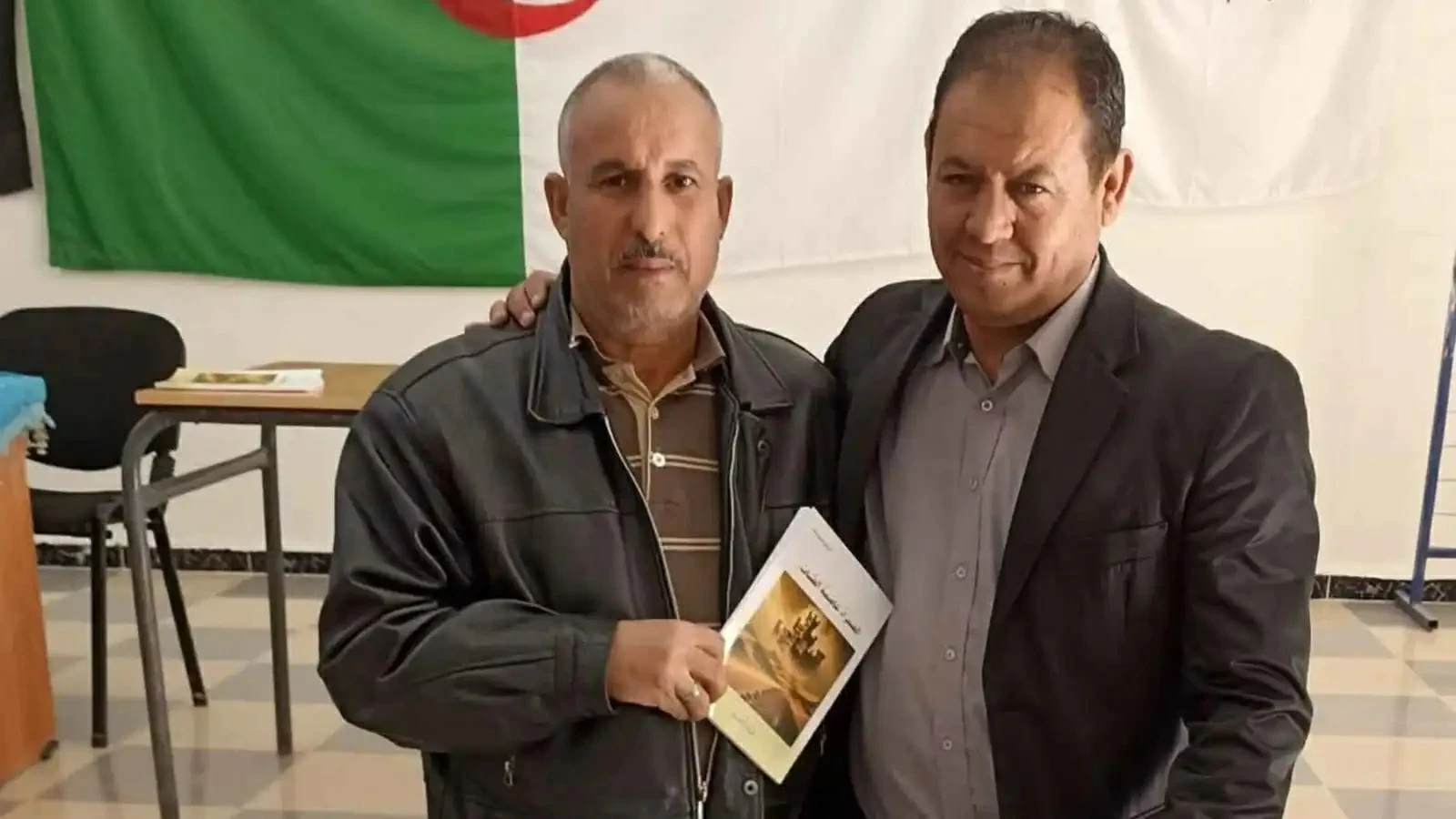
لم يكن الكاتب الجزائري حامد ياسين يتوقع أن يتحول حفل توقيع روايته الجديدة إلى لحظة قاسية تختصر خيبة الأمل التي قد يعيشها المبدعون حين لا يجدون من يصغي إلى أعمالهم. فبدلاً من لقاء يجمعه بقرائه ويناقشون خلاله روايته، وجد نفسه أمام قاعة خالية تماماً من الحضور، في مشهد مؤثر انتهى بانهياره باكياً، قبل أن ينتشر المقطع المصوّر على نطاق واسع عبر منصات التواصل الاجتماعي، مثيراً موجة من التعاطف معه.
وشهدت مدينة بئر العاتر بولاية تبسة الجزائرية الواقعة، حيث كان من المقرر أن يوقّع ياسين نسخاً من روايته الجديدة «سفيرة من الريف»، ويقرأ مقاطع منها أمام الجمهور. لكن الموعد الذي كان يفترض أن يشكل محطة مهمة في مسيرته الأدبية مرّ من دون حضور أي قارئ، باستثناء الشخص المكلّف بإدارة اللقاء.
وسرعان ما تجاوزت الواقعة حدود المدينة الجزائرية، لتفتح باباً واسعاً للنقاش حول علاقة الأدباء بجمهورهم، والتحديات التي تواجه المبدعين في الوصول إلى القراء، وسط تفاعل لافت من كتّاب ومثقفين ونقاد من مختلف أنحاء العالم العربي، عبّروا عن تضامنهم مع ياسين، فيما رأى كثيرون أن هذه التجربة المؤلمة قد تتحول إلى نقطة انطلاق جديدة في مسيرته الأدبية.
في المقابل، أعادت الحادثة طرح تساؤلات حول طبيعة الأدب ومدى قدرته على استقطاب جمهور واسع، في ظل الرأي القائل إن الفعاليات الأدبية غالباً ما تخاطب شريحة محدودة من المهتمين بالثقافة. غير أن هذا الطرح لم يمنع كثيرين من التوقف عند الفارق بين لقاء ضعيف الحضور، لا يضم سوى عدد قليل من القراء، وفعالية لا يحضرها أحد على الإطلاق، وهو ما يجعل تجربة الكاتب الجزائري أكثر إيلاماً.
صدمة مؤلمة
ومن بين التعليقات التي لاقت تفاعلاً واسعاً، برز منشور الكاتب المغربي سعيد حاجي، الذي حاول استحضار الحالة النفسية التي ربما عاشها ياسين قبل موعد التوقيع، متخيلاً حجم الاستعدادات والتوقعات التي رافقت هذا اللقاء.
وكتب حاجي عبر صفحته على «فيسبوك» أنه حاول تخيل ما كان يدور في ذهن الكاتب خلال الأيام التي سبقت الفعالية، مرجحاً أنه أمضى أسبوعاً كاملاً في التحضير لها، ومراجعة أفكاره وترتيب إجاباته عن الأسئلة التي توقع أن يطرحها القراء حول روايته.
وتخيّل الكاتب المغربي مشهداً مختلفاً تماماً عما حدث، تتوزع فيه الوجوه بين قراء ينتظرون توقيع نسخهم، ومثقفين يناقشون الأفكار الواردة في الرواية، وآخرين يسعون إلى إخبار صاحبها بأن كلماته لامست شيئاً عميقاً في نفوسهم.
لكن تلك التوقعات، كما صوّرها حاجي في منشوره، اصطدمت بواقع قاسٍ؛ فبدلاً من الأسئلة والنقاشات والتصفيق، لم يجد الكاتب سوى مقاعد فارغة وصمت يملأ القاعة، في لحظة يصعب فيها على المبدع أن يتجاوز الفجوة بين ما بذله من جهد في كتابة عمله، وما وجده من استجابة على أرض الواقع.
وتساءل حاجي عن الكلمات التي يمكن أن يستعين بها الإنسان لتخفيف وطأة مثل هذه اللحظة، وعن قدرة الكاتب على مواصلة الحديث عن أفكاره حين لا يجد من يستمع إليه، أو استحضار العزاء أمام المسافة بين سنوات قضاها في بناء عالمه الأدبي، وواقع لم يمنح ذلك العالم فرصة للوصول إلى جمهوره.
لمن يكتب الأدباء
وفي ختام تعليقه، أعاد الكاتب المغربي الواقعة إلى سؤال أوسع يتجاوز تجربة ياسين الشخصية، ليمسّ جوهر العلاقة بين الكاتب والقارئ، قائلاً إن ما حدث يعيد إلى الأذهان تساؤلات طالما شغلت المثقفين حول الغاية من الكتابة، والجهة التي يتوجه إليها الأدباء بخلاصة تجاربهم وقلقهم وتأملاتهم في الحياة.
وطرح حاجي تساؤلات بشأن موقع الكتاب في الحياة اليومية للناس، والصعوبات التي قد يواجهها الكاتب في العثور على فرصة للحديث عن عمل أمضى أشهراً، وربما سنوات، في إنجازه.
وبين دموع كاتب أمام قاعة خالية، وتضامن واسع عبر منصات التواصل الاجتماعي، تجاوزت الحادثة حدود حفل توقيع لم يحضره أحد، لتتحول إلى مناسبة للنقاش حول واقع القراءة، ومكانة الأدب في المجتمع، والتحديات التي تواجه المبدعين في إيصال أصواتهم إلى الجمهور.
The Algerian writer Hamid Yassine did not expect that the signing event for his new novel would turn into a harsh moment that encapsulates the disappointment that creators may experience when they find no one to listen to their works. Instead of a meeting with his readers to discuss his novel, he found himself in a completely empty hall, in an emotional scene that ended with him breaking down in tears, before the video clip went viral on social media platforms, stirring a wave of sympathy for him.
The city of Bir El Aater in the Tebessa province of Algeria witnessed this event, where Yassine was supposed to sign copies of his new novel "Ambassador from the Countryside" and read excerpts from it to the audience. However, the appointment, which was supposed to be an important milestone in his literary career, passed without the presence of any reader, except for the person responsible for managing the meeting.
Quickly, the incident transcended the boundaries of the Algerian city, opening a wide door for discussion about the relationship between writers and their audience, and the challenges that creators face in reaching readers, amid notable reactions from writers, intellectuals, and critics from various parts of the Arab world, who expressed their solidarity with Yassine, while many believed that this painful experience could turn into a new starting point in his literary journey.
On the other hand, the incident raised questions about the nature of literature and its ability to attract a wide audience, in light of the opinion that literary events often address a limited segment of those interested in culture. However, this notion did not prevent many from pausing at the difference between a poorly attended meeting, which includes only a few readers, and an event that no one attends at all, which makes the experience of the Algerian writer even more painful.
A Painful Shock
Among the comments that received wide interaction was a post by Moroccan writer Said Hajji, who tried to evoke the psychological state that Yassine might have experienced before the signing event, imagining the extent of the preparations and expectations that accompanied this meeting.
Hajji wrote on his Facebook page that he tried to imagine what was going through the writer's mind during the days leading up to the event, suggesting that he spent an entire week preparing for it, reviewing his thoughts and organizing his answers to the questions he expected readers to ask about his novel.
The Moroccan writer envisioned a scene completely different from what happened, with faces divided between readers waiting for their copies to be signed, intellectuals discussing the ideas presented in the novel, and others seeking to tell the author that his words touched something deep within them.
But those expectations, as Hajji portrayed in his post, collided with a harsh reality; instead of questions, discussions, and applause, the writer found only empty seats and silence filling the hall, in a moment where it is difficult for a creator to bridge the gap between the effort he put into writing his work and the response he found in reality.
Hajji wondered about the words a person could use to alleviate the weight of such a moment, and about the writer's ability to continue talking about his ideas when he finds no one to listen to him, or to find solace in the distance between the years spent building his literary world and a reality that did not give that world a chance to reach its audience.
For Whom Do Writers Write?
In concluding his comment, the Moroccan writer related the incident to a broader question that transcends Yassine's personal experience, touching on the essence of the relationship between the writer and the reader, stating that what happened brings to mind questions that have long occupied intellectuals about the purpose of writing, and the audience to whom writers direct the essence of their experiences, concerns, and reflections on life.
Hajji raised questions about the place of books in people's daily lives, and the difficulties a writer may face in finding an opportunity to talk about a work he spent months, and perhaps years, completing.
Between the tears of a writer in front of an empty hall and widespread solidarity on social media platforms, the incident transcended the boundaries of a signing event that no one attended, turning into an occasion for discussion about the reality of reading, the status of literature in society, and the challenges faced by creators in conveying their voices to the audience.