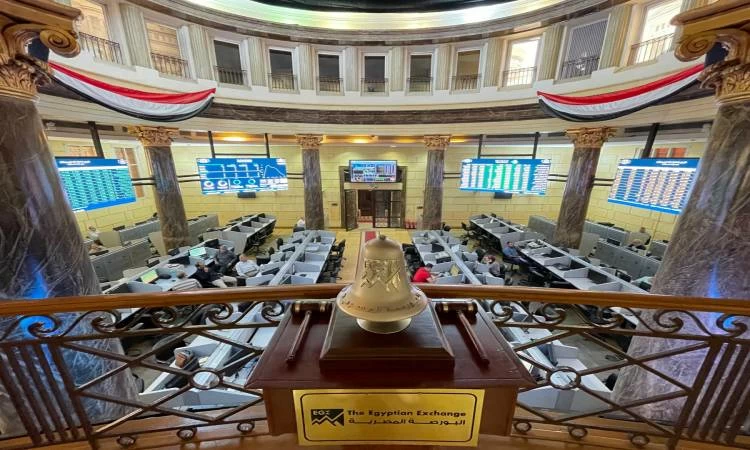
استعادت البورصة المصرية زخمها الشرائي، وأنهت تعاملات جلسة الأربعاء، على ارتفاع جماعي لمؤشراتها، بعدما أضافت الأسهم المقيدة نحو 99.2 مليار جنيه إلى رأس المال السوقي، الذي اقترب من حاجز 4 تريليونات جنيه، ليصل إلى 3.989 تريليون جنيه.
وجاءت المكاسب مدفوعة بعمليات شراء على الأسهم المقيدة، امتدت إلى مختلف فئات الأسهم، ليرتفع المؤشر الرئيسي EGX30 بنسبة 2.83%، مسجلاً 50.650 ألف نقطة، فيما صعد مؤشر الأسهم الصغيرة والمتوسطة EGX70 بنسبة 3.02% إلى 17.151 ألف نقطة.
وامتد الصعود إلى مؤشر EGX100 الأوسع نطاقاً، الذي ارتفع بنسبة 2.98% ليغلق عند 23.011 ألف نقطة، كما زاد مؤشر EGX30 Capped بنسبة 2.91% مسجلاً 62.624 ألف نقطة.
وفي السياق ذاته، ارتفع مؤشر EGX30 TR للعائد الكلي بنسبة 2.83% ليصل إلى 23.634 ألف نقطة، فيما صعد مؤشر EGX33 للشريعة الإسلامية بنسبة 2.49% مسجلاً 6.054 ألف نقطة.
ويعكس الأداء الجماعي للمؤشرات اتساع نطاق المشتريات خلال الجلسة، مع امتداد المكاسب إلى الأسهم القيادية وأسهم الشركات الصغيرة والمتوسطة، في إشارة إلى تحسن شهية المستثمرين للشراء بعد موجة من الضغوط البيعية التي شهدها السوق.
مكاسب تتجاوز خسائر جلسة الاثنين
وتأتي قفزة الأربعاء امتداداً لعودة المؤشرات إلى المنطقة الخضراء خلال جلسة الثلاثاء، بعد خسائر حادة تكبدتها البورصة في بداية الأسبوع.
وكانت الأسهم المقيدة قد فقدت نحو 65 مليار جنيه من قيمتها السوقية خلال تعاملات الاثنين 2 نوفمبر، لتتراجع إلى 3.832 تريليون جنيه، وسط هبوط جماعي للمؤشرات، إذ انخفض EGX30 بنسبة 0.70%، بينما تراجع EGX70 بنسبة 2.23% وEGX100 بنسبة 2.22%.
وفي المقابل، شهدت جلسة الثلاثاء تحولاً في اتجاه التداولات، بعدما ارتفع المؤشر الرئيسي بنسبة 1.76%، وصعد EGX70 بنسبة 2.18%، فيما ربح رأس المال السوقي نحو 58 مليار جنيه، ليصل إلى 3.890 تريليون جنيه.
وبذلك تكون البورصة قد أضافت نحو 157.2 مليار جنيه إلى قيمتها السوقية خلال جلستي الثلاثاء والأربعاء، لتعوض خسائر جلسة الاثنين وتتجاوزها، مع اقتراب رأس المال السوقي من مستوى 4 تريليونات جنيه.
صفقات بمليارات الجنيهات على 31 ورقة مالية
وفي سياق متصل، أعلنت البورصة المصرية تنفيذ صفقات ذات حجم كبير على 31 ورقة مالية خلال تعاملات الأربعاء، بقيمة إجمالية بلغت نحو 2.205 مليار جنيه.
وشملت الصفقات أسهماً لشركات تنتمي إلى قطاعات متنوعة، من بينها البنوك والخدمات المالية والعقارات والأدوية والصناعات، بما يعكس اتساع نطاق العمليات المنفذة على الأوراق المالية المقيدة.
وتصدر البنك التجاري الدولي – مصر قائمة الشركات من حيث قيمة الصفقات بنحو 239.48 مليون جنيه، تلاه سهم مجموعة طلعت مصطفى القابضة بقيمة 239.39 مليون جنيه، ثم سهم فوري لتكنولوجيا البنوك والمدفوعات الإلكترونية بنحو 209.83 مليون جنيه.
كما شملت العمليات أسهم المصرية للاتصالات بقيمة 147.13 مليون جنيه، إلى جانب أسهم الشرقية – إيسترن كومباني، وأبو قير للأسمدة والصناعات الكيماوية، والقلعة للاستثمارات المالية، وموبكو، وغيرها من الشركات.
وتشير تقارير اقتصادية إلى أن هذه الحزمة من العمليات ارتبطت بإعادة هيكلة ونقل ملكية محافظ استثمارية، وليس بالضرورة إلى مشتريات جديدة في السوق المفتوحة، وهو ما يستدعي التمييز بين قيمة الصفقات ذات الحجم الكبير وقيمة التداولات اليومية المعتادة عند تقييم اتجاهات السيولة.
The Egyptian stock exchange regained its buying momentum, ending Wednesday's session with a collective rise in its indices, after listed stocks added about 99.2 billion Egyptian pounds to the market capitalization, which approached the 4 trillion pound mark, reaching 3.989 trillion pounds.
The gains were driven by buying operations on listed stocks, extending to various categories of shares, with the main index EGX30 rising by 2.83%, recording 50,650 points, while the small and medium-sized stocks index EGX70 increased by 3.02% to 17,151 points.
The rise extended to the broader EGX100 index, which increased by 2.98% to close at 23,011 points, and the EGX30 Capped index rose by 2.91%, recording 62,624 points.
In the same context, the EGX30 TR total return index rose by 2.83% to reach 23,634 points, while the EGX33 Islamic index increased by 2.49%, recording 6,054 points.
The collective performance of the indices reflects the widening scope of purchases during the session, with gains extending to leading stocks and small and medium-sized companies, indicating an improvement in investor appetite for buying after a wave of selling pressures that the market experienced.
Gains Exceed Losses from Monday's Session
Wednesday's surge comes as a continuation of the indices returning to the green zone during Tuesday's session, following sharp losses that the stock exchange incurred at the beginning of the week.
The listed stocks had lost about 65 billion pounds of their market value during trading on Monday, November 2, dropping to 3.832 trillion pounds, amid a collective decline in the indices, with EGX30 falling by 0.70%, while EGX70 decreased by 2.23% and EGX100 by 2.22%.
In contrast, Tuesday's session witnessed a shift in trading direction, with the main index rising by 1.76%, and EGX70 increasing by 2.18%, while the market capitalization gained about 58 billion pounds, reaching 3.890 trillion pounds.
Thus, the stock exchange added about 157.2 billion pounds to its market value during Tuesday and Wednesday sessions, compensating for and surpassing the losses from Monday's session, with the market capitalization nearing the 4 trillion pound level.
Transactions Worth Billions of Pounds on 31 Securities
In a related context, the Egyptian stock exchange announced the execution of large-volume transactions on 31 securities during Wednesday's trading, with a total value of approximately 2.205 billion pounds.
The transactions included shares from companies belonging to various sectors, including banking, financial services, real estate, pharmaceuticals, and industries, reflecting the broad scope of operations executed on the listed securities.
The Commercial International Bank – Egypt topped the list of companies in terms of transaction value with about 239.48 million pounds, followed by the Talaat Moustafa Group with a value of 239.39 million pounds, and Fawry for Banking Technology and Electronic Payments with about 209.83 million pounds.
The operations also included shares of Telecom Egypt valued at 147.13 million pounds, along with shares of Eastern Company, Abu Qir Fertilizers and Chemical Industries, Qalaa Holdings, Mobco, and other companies.
Economic reports indicate that this bundle of operations was related to the restructuring and transfer of ownership of investment portfolios, rather than necessarily new purchases in the open market, which necessitates distinguishing between the value of large-volume transactions and the value of regular daily trading when assessing liquidity trends.