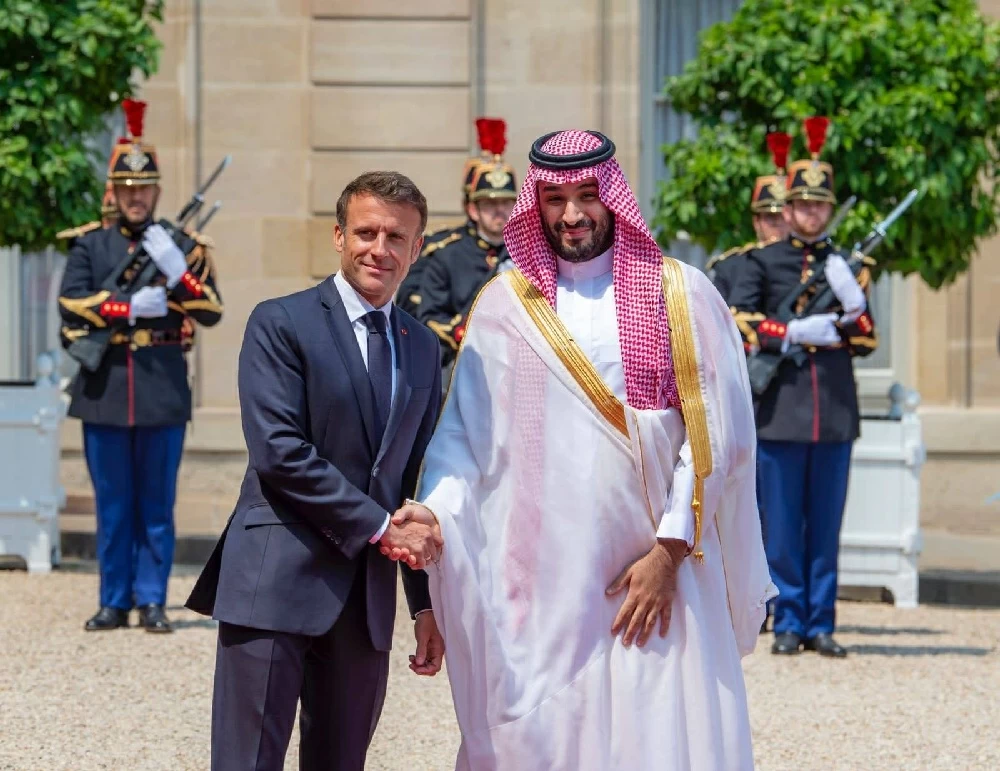
برز خلال زيارة ولي العهد رئيس مجلس الوزراء الأمير محمد بن سلمان إلى فرنسا مصطلحان دبلوماسيان لافتان؛ أحدهما يحدد مستوى الاستقبال الرسمي، والآخر يرسم طبيعة الحوار داخل أحد أهم اجتماعات الزيارة.
مستوى الزيارة في البروتوكول
فقد أعاد توصيف «زيارة دولة» و«الطاولة المستديرة» حضورهما إلى الواجهة؛ بوصفهما من أكثر المصطلحات استخدامًا في البروتوكول السياسي الحديث.
وجاء في البيان السعودي أن زيارة ولي العهد إلى باريس تمت بصفتها «زيارة دولة»؛ وهي أعلى درجات الزيارات الرسمية من حيث المراسم والبرنامج، وتُخصص عادةً لاستقبال قادة الدول بدعوة من رئيس الدولة المضيفة، وتشمل مراسم استقبال موسعة، ومباحثات مع أعلى السلطات، إلى جانب الفعاليات والاتفاقيات ومذكرات التفاهم.
ويُعد هذا التصنيف جزءًا أصيلًا من اللغة الدبلوماسية السعودية، إذ سبق استخدامه في زيارات ملكية وقيادية سابقة؛ من بينها زيارة خادم الحرمين الشريفين الملك سلمان بن عبدالعزيز إلى روسيا عام 2017، وزيارة ولي العهد إلى الهند عام 2019.
ولا تقتصر «زيارة الدولة» على مظاهر التكريم، بل تشكل إطارًا رسميًا لبحث الملفات السياسية والاقتصادية والاستراتيجية، وهو ما تجسّد في اجتماع ولي العهد والرئيس الفرنسي إيمانويل ماكرون، حيث استعرضا العلاقات التاريخية بين البلدين وسبل تطويرها، وشهدا تبادل عدد من الاتفاقيات.
تصنيفات الزيارات في فرنسا
وتصنّف وزارة الخارجية الفرنسية زيارات القادة الأجانب إلى أربع فئات: «زيارة دولة»، و«زيارة رسمية»، و«زيارة عمل»، و«زيارة خاصة». وتُعد زيارة الدولة الأعلى من حيث مستوى الاستقبال وكثافة البرنامج، فيما تركز الزيارة الرسمية على المباحثات الحكومية، وتُخصص زيارة العمل لملفات محددة، بينما لا ترتبط الزيارة الخاصة ببرنامج رسمي معلن.
وضمن برنامج الزيارة، انعقد في باريس اجتماع الطاولة المستديرة السعودي‑الفرنسي للاستثمار، بمشاركة مسؤولين حكوميين وقادة أعمال من البلدين، واختُتم بحضور ولي العهد والرئيس الفرنسي. وقد ناقش الاجتماع فرص تعزيز الشراكة الاستثمارية، والاستفادة من مكامن القوة لدى البلدين في مجالات التقنية والصناعة والتمويل والابتكار، ما منح مصطلح «الطاولة المستديرة» دلالة عملية مرتبطة بالحوار الاقتصادي وصناعة الشراكات.
جذور المصطلح في التاريخ
ويعود أصل المصطلح إلى الأدب الوسيط، حين أورد الشاعر النورماني (واص) عام 1155 فكرة الطاولة الدائرية في روايته عن الملك آرثر، للدلالة على المساواة بين الجالسين دون وجود «رأس للطاولة». وانتقلت الفكرة لاحقًا إلى السياسة والدبلوماسية لتجنب الخلافات البروتوكولية، ثم حملت مؤتمرات كبرى اسمها، مثل اجتماعات لندن حول مستقبل الهند بين 1930 و1932، ومحادثات بولندا عام 1989.
ومع تطور الاستخدام، لم يعد الشكل الهندسي شرطًا؛ فقد تُعقد الاجتماعات على طاولات مستطيلة أو بيضاوية مع احتفاظها بالاسم، لأن المقصود هو طبيعة النقاش وتساوي المشاركين، لا شكل الطاولة. ويجسد الاجتماع السعودي‑الفرنسي هذا المفهوم الحديث، إذ جمع القيادات الحكومية وقادة الأعمال في نقاش مباشر حول الفرص الاستثمارية، قبل اختتامه بحضور قيادتي البلدين.
وبذلك، يبرز المصطلحان جانبين متكاملين من لغة العلاقات الدولية؛ فـ«زيارة الدولة» تحدد مستوى المناسبة ومراسمها، بينما تعكس «الطاولة المستديرة» أسلوب الحوار في أحد أبرز اجتماعات الزيارة، لتبقى الدائرة اليوم رمزًا لمساحة النقاش لا لشكل الخشب.
During the visit of Crown Prince and Prime Minister Mohammed bin Salman to France, two notable diplomatic terms emerged; one defines the level of official reception, while the other outlines the nature of the dialogue within one of the most important meetings of the visit.
Level of the Visit in Protocol
The terms "State Visit" and "Round Table" have been redefined, bringing them back to the forefront as some of the most commonly used terms in modern political protocol.
The Saudi statement indicated that the Crown Prince's visit to Paris was conducted as a "State Visit"; the highest level of official visits in terms of ceremonies and program, typically reserved for welcoming heads of state at the invitation of the host country's president. It includes extensive reception ceremonies, discussions with top authorities, as well as events, agreements, and memorandums of understanding.
This classification is an integral part of the Saudi diplomatic language, having been previously used in royal and leadership visits, including the visit of the Custodian of the Two Holy Mosques King Salman bin Abdulaziz to Russia in 2017 and the Crown Prince's visit to India in 2019.
The "State Visit" is not limited to ceremonial aspects; it also forms an official framework for discussing political, economic, and strategic files, as demonstrated in the meeting between the Crown Prince and French President Emmanuel Macron, where they reviewed the historical relations between the two countries and ways to develop them, witnessing the exchange of several agreements.
Visit Classifications in France
The French Ministry of Foreign Affairs classifies visits by foreign leaders into four categories: "State Visit," "Official Visit," "Working Visit," and "Private Visit." The State Visit is the highest in terms of reception level and program intensity, while the Official Visit focuses on governmental discussions. The Working Visit is designated for specific files, whereas the Private Visit is not linked to a publicly announced official program.
As part of the visit program, the Saudi-French Round Table for Investment took place in Paris, with the participation of government officials and business leaders from both countries, concluding with the attendance of the Crown Prince and the French president. The meeting discussed opportunities to enhance investment partnerships and leverage the strengths of both countries in technology, industry, finance, and innovation, giving the term "Round Table" a practical connotation related to economic dialogue and partnership building.
Roots of the Term in History
The origin of the term dates back to medieval literature, when the Norman poet (Wace) in 1155 introduced the idea of the round table in his narrative about King Arthur, symbolizing equality among those seated without a "head of the table." The idea later transitioned into politics and diplomacy to avoid protocol disputes, and major conferences adopted its name, such as the London meetings on the future of India between 1930 and 1932, and the Poland talks in 1989.
As usage evolved, the geometric shape became less of a requirement; meetings could be held at rectangular or oval tables while retaining the name, as the focus is on the nature of the discussion and the equality of participants, not the shape of the table. The Saudi-French meeting embodies this modern concept, as it brought together government leaders and business leaders in a direct discussion about investment opportunities, concluding with the presence of the leaders of both countries.
Thus, the two terms highlight complementary aspects of international relations language; the "State Visit" defines the level of the occasion and its ceremonies, while the "Round Table" reflects the style of dialogue in one of the most prominent meetings of the visit, with the circle today symbolizing a space for discussion rather than the shape of wood.