


اعتمدت الهيئة العامة للغذاء والدواء تسجيل مستحضر "جاسكايد" (نيراندوميلاست)، الذي سبق أن تم تعيينه مستحضرًا يتيمًا ضمن برنامج الأدوية اليتيمة، لعلاج المرضى البالغين المصابين بالتليف الرئوي مجهول السبب، وهو من أمراض الرئة النادرة التي تتراكم فيها الأنسجة الندبية الليفية في الرئتين تدريجيًا دون سبب معروف، مما يسبب ضيق التنفس والسعال المستمر.
وأوضحت الهيئة أن مستحضر "جاسكايد" ينتمي إلى مثبطات إنزيم الفوسفوديستيراز من النوع الرابع، ويتميز بتأثير تفضيلي على النوع الفرعي الرابع (PDE4B)، ويوجد هذا الإنزيم في الرئتين، ويؤدي دورًا مهمًا في عمليات تليف والتهاب الرئة، ومن خلال تثبيط (PDE4B)، يعمل المستحضر على زيادة مستويات "أحادي فوسفات الأدينوزين الحلقي" داخل الخلايا، والحد من التعبير عن عوامل النمو المحفزة للتليف والسيتوكينات الالتهابية التي ترتفع لدى المرضى المصابين بالتليف الرئوي مجهول السبب.
وأضافت أن الموافقة على المستحضر جاءت بعد تقييم شامل لفعاليته وسلامته وجودته، بعد أن شملت الدراسة المحورية من المرحلة الثالثة (FIBRONEER-IPF) (1,177) مريضًا مصابًا بالتليف الرئوي مجهول السبب، جرى توزيعهم عشوائيًا لتلقي "جاسكايد" بجرعة (9) ملغ مرتين يوميًا، أو (18) ملغ مرتين يوميًا، أو الدواء الوهمي لمدة (52) أسبوعًا، وعند الأسبوع (52)، بلغ متوسط الانخفاض في السعة الحيوية القسرية (FVC) مقدار (115) مل في مجموعة "جاسكايد" بجرعة (18) ملغ، و(139) مل في مجموعة (9) ملغ، مقارنةً بـ(184) مل في مجموعة الدواء الوهمي، وبلغ الفرق مقارنةً بالدواء الوهمي (69) مل لجرعة (18) ملغ، و(45) مل لجرعة (9) ملغ، مع تحقيق كلتا الجرعتين انخفاضًا ذا دلالة إحصائية على إبطاء تراجع وظائف الرئة.
وجاءت هذه النتائج داعمة لدراسة سابقة من المرحلة الثانية شملت (147) مريضًا مصابًا بالتليف الرئوي مجهول السبب، وأظهرت نتائجها تأثيرًا إيجابيًا للمستحضر بجرعة (18) ملغ مرتين يوميًا على (FVC)، مقارنةً بالدواء الوهمي بعد (12) أسبوعًا، مشيرةً إلى أن الأعراض الجانبية الأكثر شيوعًا شملت الإسهال والغثيان وفقدان الشهية والوزن وآلام الظهر، كما يستلزم استخدام المستحضر إشرافًا طبيًا وفقًا للنشرة المعتمدة.
ويُعنى برنامج الأدوية اليتيمة بدعم تطوير وتسجيل المستحضرات الموجهة لعلاج الأمراض النادرة والحالات ذات الخيارات العلاجية المحدودة، حيث يُسهم في تسريع وصول العلاجات النوعية، وتوسيع نطاق الخيارات العلاجية، بما يتماشى مع مستهدفات برنامج تحول القطاع الصحي، أحد برامج رؤية السعودية 2030.
«الغذاء والدواء» تعتمد «جاسكايد» لعلاج التليف الرئوي لدى البالغين
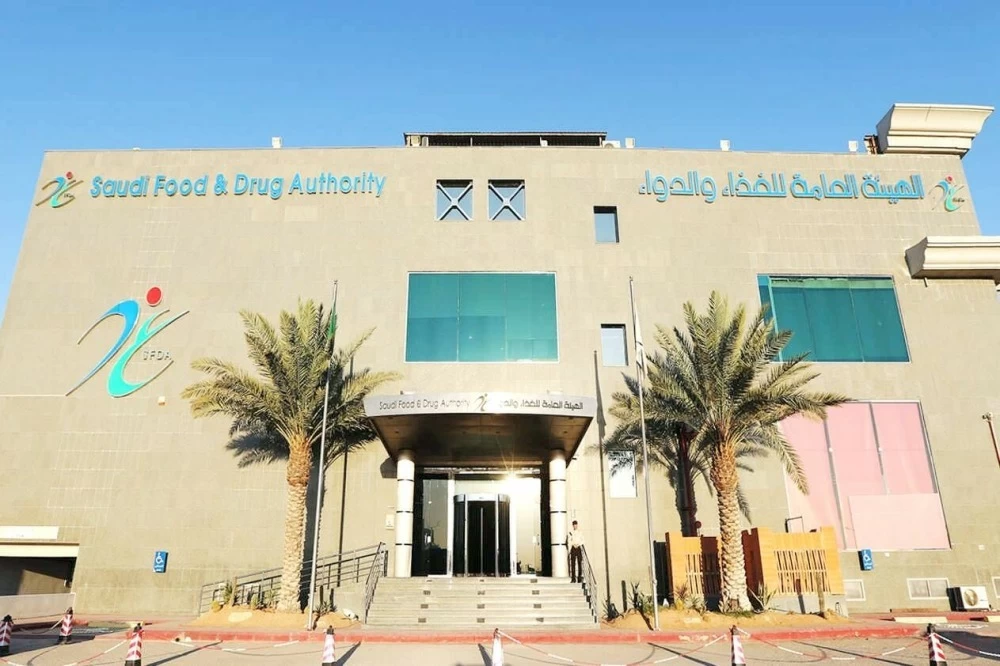


The Saudi Food and Drug Authority has approved the registration of the product "Jaskeid" (Nerandomilast), which has previously been designated as an orphan drug under the orphan drug program, for the treatment of adult patients with idiopathic pulmonary fibrosis, a rare lung disease characterized by the gradual accumulation of fibrotic scar tissue in the lungs for unknown reasons, leading to shortness of breath and persistent cough.
The authority explained that the product "Jaskeid" belongs to phosphodiesterase type 4 inhibitors and is characterized by a preferential effect on the subtype 4 (PDE4B), which is present in the lungs and plays an important role in the processes of lung fibrosis and inflammation. By inhibiting (PDE4B), the product works to increase levels of "cyclic adenosine monophosphate" within cells and reduce the expression of fibrosis-stimulating growth factors and inflammatory cytokines that are elevated in patients with idiopathic pulmonary fibrosis.
It added that the approval of the product came after a comprehensive evaluation of its efficacy, safety, and quality, following a pivotal phase three study (FIBRONEER-IPF) that included (1,177) patients with idiopathic pulmonary fibrosis, who were randomly assigned to receive "Jaskeid" at a dose of (9) mg twice daily, or (18) mg twice daily, or a placebo for (52) weeks. At week (52), the average decline in forced vital capacity (FVC) was (115) ml in the "Jaskeid" group at a dose of (18) mg, and (139) ml in the (9) mg group, compared to (184) ml in the placebo group, with the difference compared to the placebo being (69) ml for the (18) mg dose and (45) ml for the (9) mg dose, with both doses achieving a statistically significant reduction in the decline of lung function.
These results support a previous phase two study that included (147) patients with idiopathic pulmonary fibrosis, which showed positive effects of the product at a dose of (18) mg twice daily on (FVC), compared to the placebo after (12) weeks, noting that the most common side effects included diarrhea, nausea, loss of appetite and weight, and back pain. The use of the product requires medical supervision according to the approved leaflet.
The orphan drug program is concerned with supporting the development and registration of products aimed at treating rare diseases and conditions with limited treatment options, as it contributes to accelerating access to targeted therapies and expanding the range of treatment options, in line with the objectives of the health sector transformation program, one of the programs of Saudi Vision 2030.


