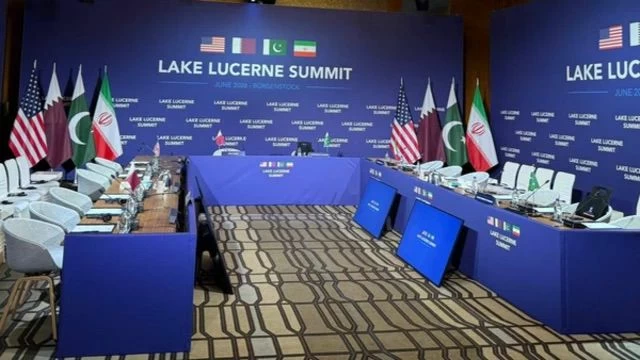
أعلنت باكستان وقطر، فجر «الاثنين» في بيان مشترك صدر عقب اختتام جولة المحادثات التي استضافتها سويسرا، تحقيق تقدم وُصف بـ«المشجع» في أجواء إيجابية وبنّاءة، مع الاتفاق على مجموعة من الآليات السياسية والفنية لدفع مسار الوساطة نحو تسوية شاملة.
وتضمن الاتفاق إنشاء آلية دائمة لاستمرار المحادثات الفنية، إلى جانب تشكيل لجنة رفيعة المستوى تتولى الإشراف السياسي على عملية الوساطة، على أن يرفع كبار المفاوضين تقارير دورية إلى اللجنة لمتابعة سير المباحثات وتقييم نتائجها.
كما اتفق الطرفان على تشكيل مجموعات عمل متخصصة تُعنى بملفي البرنامج النووي والعقوبات، في إطار خارطة طريق تهدف إلى التوصل لاتفاق نهائي خلال فترة لا تتجاوز 60 يوماً.
وفي الجانب الأمني والإقليمي، أُعلن عن إنشاء خلية لفض الاشتباك في لبنان وضمان تثبيت وقف العمليات العسكرية، إضافة إلى تدشين خط اتصال مباشر يهدف إلى تأمين العبور الآمن للسفن التجارية عبر مضيق هرمز، فضلاً عن إنشاء خلية أميركية – إيرانية لخفض التصعيد ومنع اتساع رقعة التوتر.
وأكد الوسطاء أن جهودهم ستستمر حتى بلوغ اتفاق نهائي، مشيرين إلى أن المحادثات الفنية ستدخل مراحلها التنفيذية عقب التوصل إلى الصيغة النهائية للتفاهمات.
من جانبها، أعلنت وزارة الخارجية الإيرانية إطلاق خطة لإعادة الإعمار والإفراج عن جزء من الأصول المجمدة، مؤكدة أن وفد التفاوض أنهى مهمته فيما تواصل الفرق الفنية أعمالها لاستكمال الملفات العالقة.
وشددت طهران على ضرورة إنهاء الحرب على مختلف الجبهات، بما في ذلك لبنان، معتبرة أن الوساطة الباكستانية – القطرية حققت تقدماً ملحوظاً في الجهود الرامية إلى إنهاء الحرب وتهيئة الظروف لتسوية سياسية شاملة.
Pakistan and Qatar announced, early on "Monday" in a joint statement issued following the conclusion of a round of talks hosted in Switzerland, that they achieved progress described as "encouraging" in a positive and constructive atmosphere, agreeing on a set of political and technical mechanisms to advance the mediation process towards a comprehensive settlement.
The agreement included the establishment of a permanent mechanism for the continuation of technical talks, along with the formation of a high-level committee to oversee the political aspects of the mediation process, with senior negotiators required to submit periodic reports to the committee to monitor the progress of the discussions and evaluate their outcomes.
The two sides also agreed to form specialized working groups focused on the nuclear program and sanctions, within a roadmap aimed at reaching a final agreement within a period not exceeding 60 days.
On the security and regional front, the establishment of a disengagement cell in Lebanon was announced to ensure the stabilization of the ceasefire, in addition to launching a direct communication line aimed at securing safe passage for commercial vessels through the Strait of Hormuz, as well as creating a U.S.-Iranian cell to de-escalate tensions and prevent the spread of conflict.
The mediators confirmed that their efforts would continue until a final agreement is reached, noting that the technical talks would enter their implementation phases following the finalization of the understandings.
For its part, the Iranian Foreign Ministry announced the launch of a reconstruction plan and the release of part of the frozen assets, confirming that the negotiating delegation had completed its mission while technical teams continued their work to finalize the outstanding files.
Tehran emphasized the necessity of ending the war on various fronts, including Lebanon, considering that the Pakistan-Qatar mediation had made significant progress in efforts to end the war and create conditions for a comprehensive political settlement.