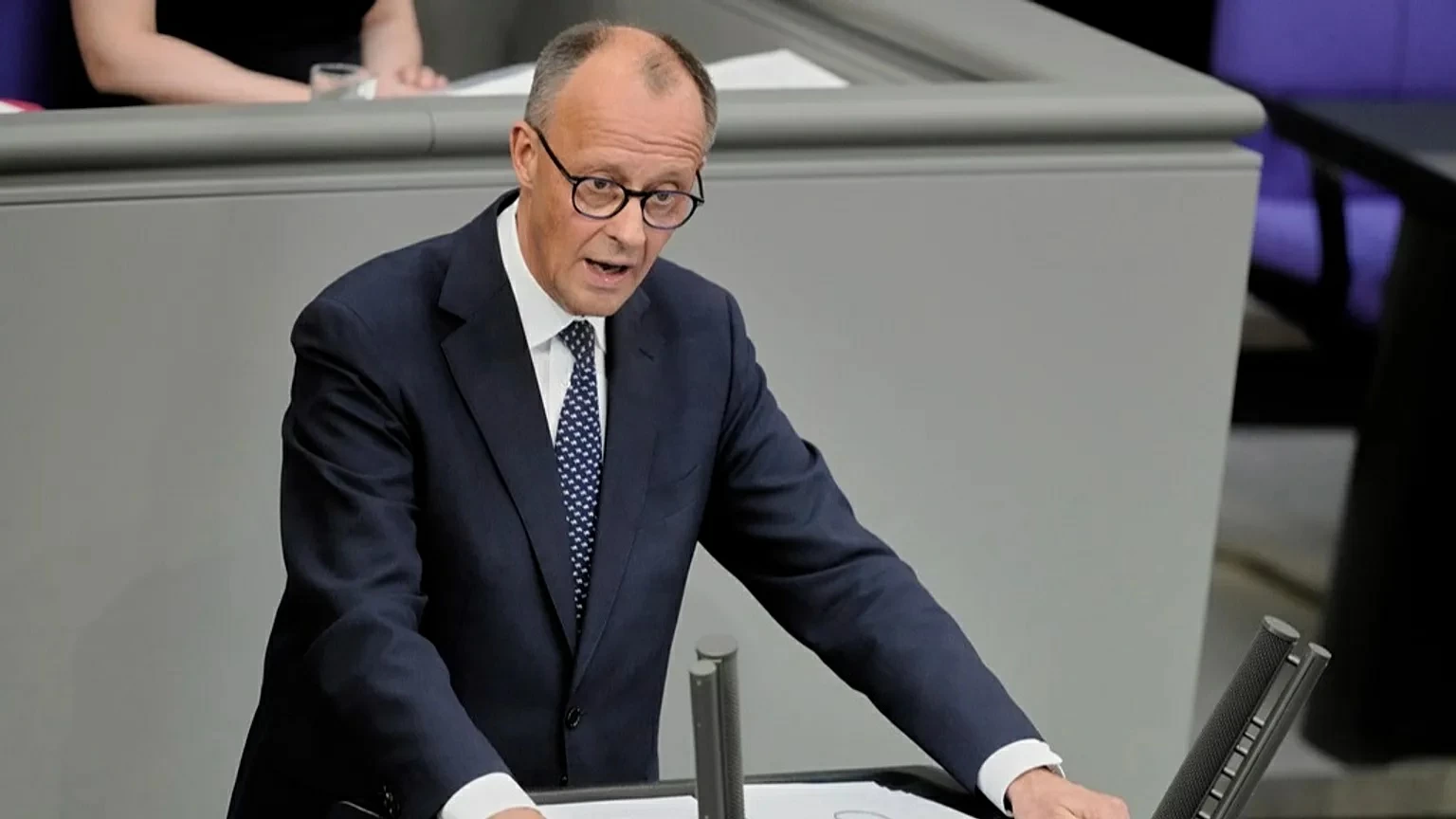
أعلن المستشار الألماني فريدريش ميرتس، اليوم (الخميس)، موافقة الولايات المتحدة على بيع صواريخ «توماهوك» المجنحة إلى بلاده، بهدف تعزيز القدرات الدفاعية الألمانية وسد «الفجوة الإستراتيجية» في منظومة الدفاع.
وقال ميرتس، خلال كلمة أمام البرلمان، إن نشر هذه الصواريخ على الأراضي الألمانية سيسهم في تعزيز الردع، بالتزامن مع مواصلة العمل على تطوير أنظمة صاروخية أوروبية ونشرها داخل القارة، مشيداً بنتائج قمة حلف شمال الأطلسي (الناتو) التي اختتمت أمس بأنقرة.
وأكد المستشار الألماني أن مخرجات قمة الناتو فاقت التوقعات، مثنياً على أداء الأمين العام للحلف مارك روته، الذي قال إنه أعد للقمة بشكل ممتاز، وأسهم في إنجاحها.
وأضاف أن الحلف بات «موحداً وقوياً وواثقاً من نفسه»، لافتاً إلى أن الدول الأوروبية الأعضاء، إلى جانب كندا، باتت تدرك ضرورة تحمل مسؤولية أكبر عن أمنها ودفاعها.
واستشهد ميرتس بقرار كندا تحديث أسطولها من الغواصات بدعم ألماني ونرويجي، من خلال شراء 12 غواصة من شركة TKMS، واصفاً الصفقة بأنها أكبر عقد تسليح دولي في تاريخ ألمانيا، مع توقعات بأن تصل قيمتها الاقتصادية إلى نحو 100 بليون يورو خلال العقود القادمة، فضلاً عن توفير آلاف فرص العمل.
وأكد ميرتس أن الناتو سيظل تحالفاً عابراً للأطلسي، مشدداً في الوقت نفسه على أن أوروبا مطالبة بتحمل مسؤولية أكبر عن أمنها، قائلاً: «أمننا مسؤوليتنا نحن».
وتخطط ألمانيا لاقتراض 800 بليون يورو بحلول 2030 لرفع الإنفاق الدفاعي، في تحول تاريخي يشمل زيادة كبيرة في الديون وسط جدل اقتصادي واسع.
وأصبحت صواريخ «توماهوك» سلاحاً مفضلاً لدى الرئيس الأمريكي دونالد ترمب، حيث استُخدمت في عمليات عسكرية في عدة دول بينها إيران وسورية واليمن. وتشير التقديرات إلى أن الولايات المتحدة أطلقت أكثر من ألف صاروخ في هذه العمليات مجتمعة، وفقاً لـ«بلومبيرغ».
وتسعى وزارة الحرب الأمريكية، إلى زيادة الإنتاج إلى 1000 صاروخ، إلا أن تحقيق هذا الهدف قد يستغرق سنوات.
وذكرت البيانات أن الولايات المتحدة، اشترت 322 صاروخاً فقط منذ عام 2021، فيما لم تشتر أي صواريخ جديدة في بعض السنوات الأخيرة رغم الحاجة المتزايدة.
The German Chancellor Friedrich Merz announced today (Thursday) the approval of the United States to sell "Tomahawk" cruise missiles to his country, aimed at enhancing Germany's defense capabilities and closing the "strategic gap" in the defense system.
Merz stated during a speech before parliament that the deployment of these missiles on German soil would contribute to strengthening deterrence, while continuing to work on developing and deploying European missile systems within the continent, praising the outcomes of the NATO summit that concluded yesterday in Ankara.
The German Chancellor confirmed that the results of the NATO summit exceeded expectations, commending the performance of the alliance's Secretary-General Mark Rutte, who he said prepared excellently for the summit and contributed to its success.
He added that the alliance has become "united, strong, and self-confident," noting that the European member states, along with Canada, have come to realize the necessity of taking greater responsibility for their security and defense.
Merz cited Canada's decision to modernize its submarine fleet with German and Norwegian support by purchasing 12 submarines from TKMS, describing the deal as the largest international arms contract in Germany's history, with expectations that its economic value will reach around 100 billion euros over the coming decades, in addition to providing thousands of job opportunities.
Merz affirmed that NATO will remain a transatlantic alliance, while emphasizing that Europe must take greater responsibility for its security, stating: "Our security is our responsibility."
Germany plans to borrow 800 billion euros by 2030 to increase defense spending, in a historic shift that includes a significant increase in debt amid widespread economic debate.
The "Tomahawk" missiles have become a preferred weapon for U.S. President Donald Trump, as they were used in military operations in several countries, including Iran, Syria, and Yemen. Estimates indicate that the United States has launched more than a thousand missiles in these operations combined, according to Bloomberg.
The U.S. Department of Defense is seeking to increase production to 1,000 missiles, but achieving this goal may take years.
Data indicated that the United States purchased only 322 missiles since 2021, and did not buy any new missiles in some recent years despite the increasing need.