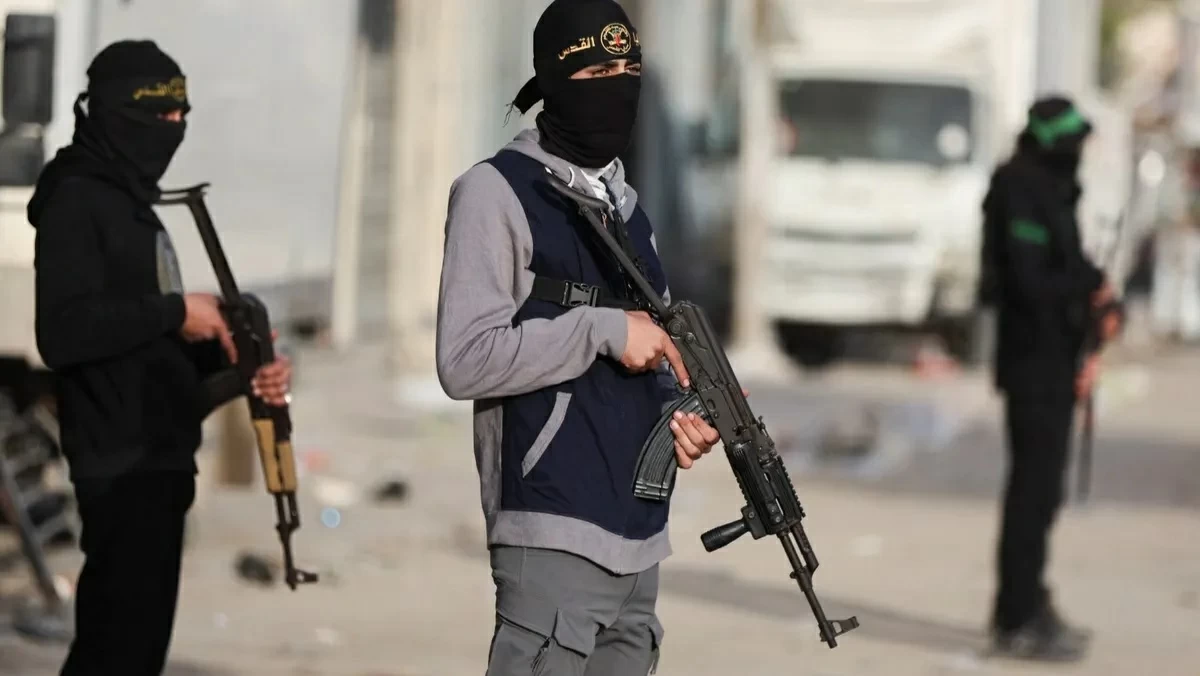
كشفت مسودة اتفاق السلام الشامل في قطاع غزة ترتيبات سياسية وأمنية وإدارية واسعة، يبدأ تنفيذها خلال 14 يوماً من موافقة الأطراف، وتشمل وقف العمليات العسكرية ونقل إدارة القطاع إلى لجنة وطنية مستقلة، إلى جانب نشر قوة استقرار دولية وبدء عملية تفكيك الأسلحة الثقيلة والأنفاق.
استكمال تنفيذ التزامات وقف النار
وبحسب بنود مسودة، فإن المرحلة الأولى من الاتفاق تبدأ بوقف العمليات العسكرية واستكمال تنفيذ التزامات وقف إطلاق النار، تمهيداً للانتقال إلى ترتيبات أكثر شمولاً تتعلق بإدارة القطاع والأمن وإعادة الإعمار.
وتنص الوثيقة على تسليم المهام المدنية والأمنية في غزة إلى لجنة وطنية تتولى إدارة المرحلة الانتقالية، على أن تعمل باستقلالية كاملة، مع منع الفصائل الفلسطينية من التدخل في قراراتها أو التأثير في عملها.
ومن المقرر أن تكون اللجنة مسؤولة عن الملفات المالية والخدمات العامة، بما يشمل إدارة المؤسسات والمرافق الأساسية وتنظيم الإنفاق وتشغيل القطاعات الحيوية، في محاولة لضمان استمرار الخدمات للسكان بعد سنوات من الحرب والدمار.
نشر قوة استقرار دولية داخل غزة
وفي الجانب الأمني، تنص المسودة على نشر قوة استقرار دولية داخل قطاع غزة، تتولى المساهمة في حفظ الأمن خلال المرحلة الانتقالية، إلى جانب تأمين وصول المساعدات الإنسانية وحماية عمليات الإغاثة، بالتنسيق مع اللجنة الوطنية والجهات الدولية المعنية.
وتحدد الوثيقة اللجنة الوطنية باعتبارها الجهة المسؤولة عن تنظيم السلاح داخل القطاع، مع بدء عملية تفكيك الأسلحة الثقيلة والأنفاق تحت إشرافها. كما تؤكد المسودة أن عملية نزع السلاح لن تشمل نقل أو تسليم أي أسلحة إلى إسرائيل، وإنما ستجري وفق آلية تشرف عليها اللجنة الوطنية ضمن الترتيبات الفلسطينية والدولية المنصوص عليها في الاتفاق.
وتشمل البنود تفكيك الفصائل المسلحة، مع عدم دمج عناصرها في الأجهزة الأمنية الجديدة، في خطوة تهدف إلى بناء مؤسسات أمنية مهنية تعمل تحت سلطة مدنية موحدة، بعيداً عن البنية الفصائلية السابقة.
توقيع اتفاق لإنهاء العنف الداخلي
وتدعو المسودة إلى توقيع اتفاق لإنهاء العنف الداخلي بين الفصائل، ومنع العروض العسكرية والمظاهر المسلحة داخل القطاع، بما يرسخ احتكار المؤسسات الرسمية للسلاح خلال المرحلة الانتقالية.
وتأتي هذه البنود ضمن مسار أوسع يتضمن تشكيل إدارة فلسطينية تكنوقراطية لا يكون لحركة حماس دور فيها، إلى جانب انسحاب إسرائيلي تدريجي وفق جدول زمني، وإشراف دولي على إعادة إعمار غزة.
وكان مسؤولون أمريكيون أشاروا إلى تنسيق وثيق مع إسرائيل بشأن الاتفاق، في وقت أبدت فيه تل أبيب شكوكاً بشأن استعداد حماس للتخلي عن سلاحها. كما أعلن مسؤولون في الحركة التوصل إلى اتفاق مع إسرائيل، مطالبين الوسطاء و«مجلس السلام» بضمان تنفيذ الالتزامات.
فيما أبدت حركة الجهاد تحفظها على الصيغة المتداولة للاتفاق، دون إعلان موقف نهائي من جميع بنوده. وتبقى البنود الواردة في الوثيقة ضمن إطار مسودة لم تُنشر نسختها النهائية بعد، كما لم تُعلن جميع الأطراف موافقتها الرسمية على تفاصيلها، ما يجعل آليات التنفيذ والضمانات الميدانية مرتبطة باستكمال التفاوض واعتماد الاتفاق بصيغته النهائية.
The draft of the comprehensive peace agreement in the Gaza Strip reveals extensive political, security, and administrative arrangements, set to be implemented within 14 days of the parties' approval. This includes a cessation of military operations and the transfer of the administration of the sector to an independent national committee, alongside the deployment of an international stabilization force and the commencement of the dismantling of heavy weapons and tunnels.
Completion of Ceasefire Commitments
According to the draft's provisions, the first phase of the agreement begins with a cessation of military operations and the completion of ceasefire commitments, paving the way for more comprehensive arrangements concerning the administration of the sector, security, and reconstruction.
The document stipulates the transfer of civil and security tasks in Gaza to a national committee that will oversee the transitional phase, operating with full independence, while preventing Palestinian factions from interfering in its decisions or influencing its work.
The committee is expected to be responsible for financial matters and public services, including managing institutions and essential facilities, organizing expenditures, and operating vital sectors, in an effort to ensure the continuity of services for the population after years of war and destruction.
Deployment of an International Stabilization Force within Gaza
On the security side, the draft calls for the deployment of an international stabilization force within the Gaza Strip, which will contribute to maintaining security during the transitional phase, alongside ensuring the delivery of humanitarian aid and protecting relief operations, in coordination with the national committee and relevant international parties.
The document designates the national committee as the responsible entity for regulating weapons within the sector, with the initiation of the dismantling of heavy weapons and tunnels under its supervision. The draft also emphasizes that the disarmament process will not involve the transfer or handover of any weapons to Israel, but will occur according to a mechanism overseen by the national committee within the Palestinian and international arrangements stipulated in the agreement.
The provisions include the dismantling of armed factions, without integrating their members into the new security apparatus, in a step aimed at building professional security institutions operating under a unified civilian authority, away from the previous factional structure.
Signing an Agreement to End Internal Violence
The draft calls for the signing of an agreement to end internal violence among factions and to prevent military displays and armed manifestations within the sector, thereby consolidating the monopoly of official institutions on weapons during the transitional phase.
These provisions come as part of a broader path that includes the formation of a technocratic Palestinian administration in which Hamas has no role, alongside a gradual Israeli withdrawal according to a timeline, and international oversight of the reconstruction of Gaza.
American officials have indicated close coordination with Israel regarding the agreement, while Tel Aviv has expressed doubts about Hamas's willingness to relinquish its weapons. Officials from the movement announced reaching an agreement with Israel, demanding that mediators and the "Peace Council" ensure the implementation of commitments.
Meanwhile, the Islamic Jihad movement has expressed reservations about the circulated version of the agreement, without announcing a final position on all its provisions. The items included in the document remain within the framework of a draft whose final version has not yet been published, and not all parties have officially announced their approval of its details, which makes the mechanisms for implementation and field guarantees contingent upon the completion of negotiations and the adoption of the agreement in its final form.