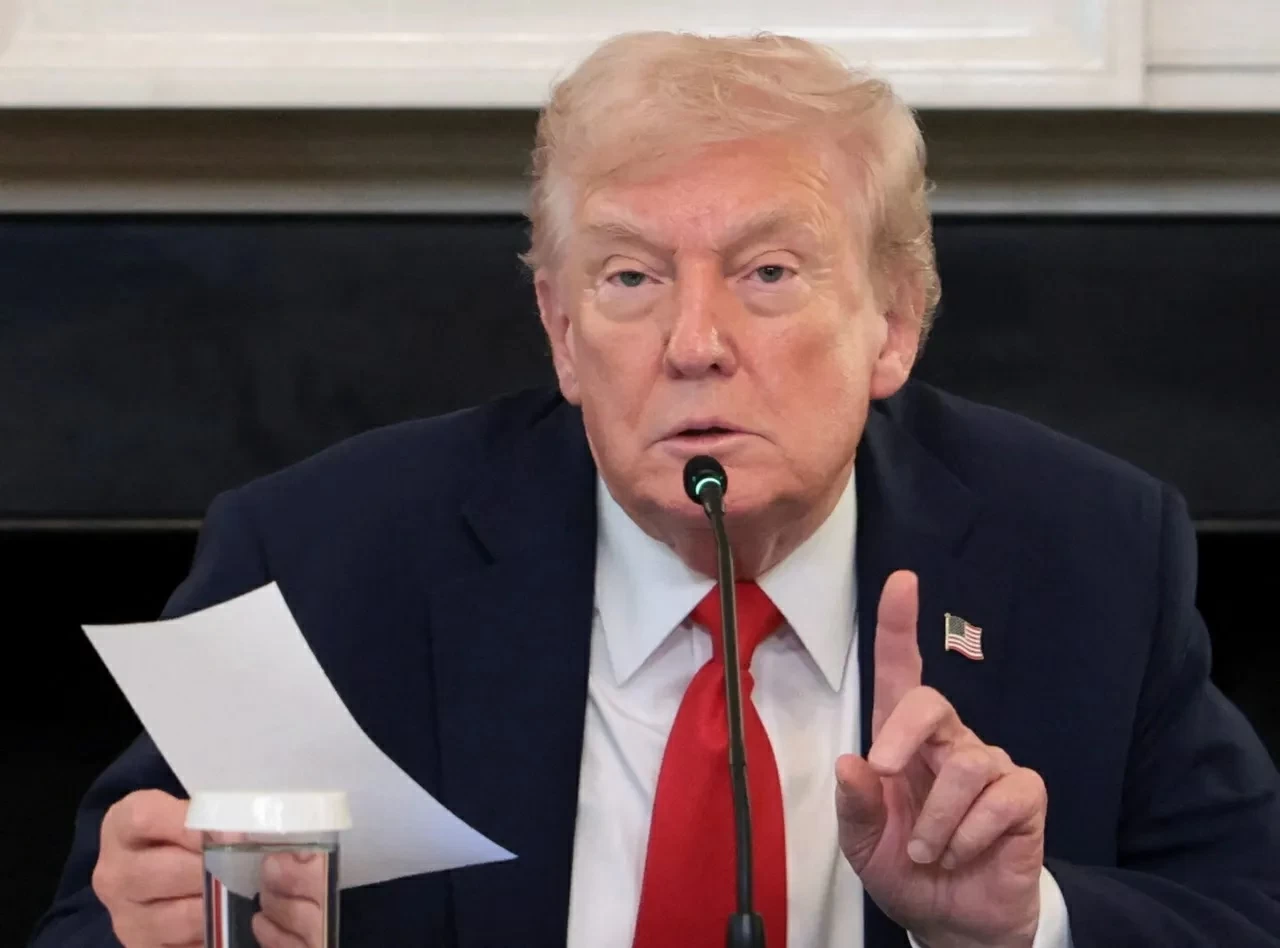
أحال الرئيس الأمريكي دونالد ترمب اتفاق التعاون المقترح مع المملكة العربية السعودية في مجال الطاقة النووية المدنية إلى الكونغرس ليدخل مرحلة المراجعة التشريعية.
وقال مسؤول في الإدارة الأمريكية لوكالة «رويترز»، اليوم (الأربعاء)، إن الاتفاق أُرسل إلى الكونغرس (الإثنين)، موضحاً أنه يسمح للشركات الأمريكية بتصدير التكنولوجيا النووية المدنية إلى المملكة.
وتأتي إحالة الاتفاق إلى الكونغرس بعد نحو شهر من التوصّل إليه، لتبدأ مرحلة جديدة في مسار تعاون نووي مدني يمتد 30 عاماً، ويتضمّن مشروعاً تُقدّر قيمته بعشرات المليارات من الدولارات لبناء مفاعلات نووية في السعودية.
ويستند الاتفاق إلى المادة 123 من قانون الطاقة الذرية الأمريكي لعام 1954، التي تنظّم التعاون النووي المدني بين الولايات المتحدة والدول الأخرى، وتوفّر الإطار القانوني لتصدير الشركات الأمريكية التكنولوجيا النووية للاستخدامات السلمية.
وبعد وصول الاتفاق إلى الكونغرس، تبدأ فترة مراجعة تمتد 90 يوماً من أيام انعقاد الكونغرس، يمكن للمشرعين خلالها الاعتراض عليه.
وكانت تقارير سابقة أفادت بأن عرقلة الاتفاق تتطلّب من الكونغرس إقرار تشريع مشترك، وإذا استخدم الرئيس الأمريكي حق النقض ضده، يحتاج المشرعون إلى أغلبية الثلثين لتجاوز الفيتو الرئاسي.
وينصّ الاتفاق على تعاون نووي مدني يمتد 30 عاماً، ويسمح للشركات الأمريكية بتصدير التكنولوجيا النووية المدنية إلى السعودية.
وبحسب رويترز، يتضمّن الاتفاق بناء مفاعلات من طراز «إيه.بي 1000»، ضمن مشروع تُقدّر قيمته بعشرات المليارات من الدولارات.
وأعلنت السعودية والولايات المتحدة في شهر يوليو الماضي التوصل إلى اتفاق للتعاون في الاستخدامات السلمية للطاقة النووية.
وأكدت وكالة الأنباء السعودية (واس) أن الاتفاقية ستعزّز التعاون بين البلدين في مجال الاستخدامات السلمية للطاقة النووية، ودعم تبادل الخبرات والمعرفة والتقنيات، بما يسهم في تطوير التعاون المشترك وفق المعايير الدولية المتعلقة بالأمن والأمان النوويين وعدم الانتشار النووي.
فيما وصفت وزارة الطاقة الأمريكية الاتفاقية بأنها «تاريخية»، وقال وزير الطاقة كريس رايت إنها تعكس التزام بلدينا المشترك بتعزيز العلاقات التجارية الأمريكية السعودية، وتحقيق الازدهار في الداخل والأمن لحلفائنا في الخارج.
وتسعى السعودية إلى تطوير برنامج نووي مدني في إطار خططها لتنويع مصادر الطاقة وتقليل الاعتماد على النفط، بالتوازي مع مشاريعها الاقتصادية ضمن رؤية 2030 التي تتطلّب كميات متزايدة من الطاقة.
U.S. President Donald Trump has referred the proposed cooperation agreement with the Kingdom of Saudi Arabia in the field of civilian nuclear energy to Congress to enter the legislative review phase.
A U.S. administration official told Reuters today (Wednesday) that the agreement was sent to Congress on Monday, explaining that it allows American companies to export civilian nuclear technology to the Kingdom.
The referral of the agreement to Congress comes about a month after it was reached, marking the beginning of a new phase in a civilian nuclear cooperation path that extends for 30 years and includes a project estimated to be worth tens of billions of dollars to build nuclear reactors in Saudi Arabia.
The agreement is based on Section 123 of the U.S. Atomic Energy Act of 1954, which regulates civilian nuclear cooperation between the United States and other countries, providing the legal framework for American companies to export nuclear technology for peaceful uses.
Once the agreement reaches Congress, a review period of 90 days begins during which lawmakers can object to it.
Previous reports indicated that obstructing the agreement would require Congress to pass joint legislation, and if the U.S. President uses the veto power against it, lawmakers would need a two-thirds majority to override the presidential veto.
The agreement stipulates civilian nuclear cooperation that extends for 30 years and allows American companies to export civilian nuclear technology to Saudi Arabia.
According to Reuters, the agreement includes the construction of "AP1000" reactors as part of a project estimated to be worth tens of billions of dollars.
Saudi Arabia and the United States announced in July that they had reached an agreement for cooperation in the peaceful uses of nuclear energy.
The Saudi Press Agency (SPA) confirmed that the agreement would enhance cooperation between the two countries in the field of peaceful uses of nuclear energy, supporting the exchange of expertise, knowledge, and technologies, contributing to the development of joint cooperation according to international standards related to nuclear security and safety and nuclear non-proliferation.
The U.S. Department of Energy described the agreement as "historic," with Energy Secretary Chris Wright stating that it reflects our two countries' shared commitment to strengthening U.S.-Saudi trade relations and achieving prosperity at home and security for our allies abroad.
Saudi Arabia seeks to develop a civilian nuclear program as part of its plans to diversify energy sources and reduce dependence on oil, alongside its economic projects under Vision 2030, which require increasing amounts of energy.