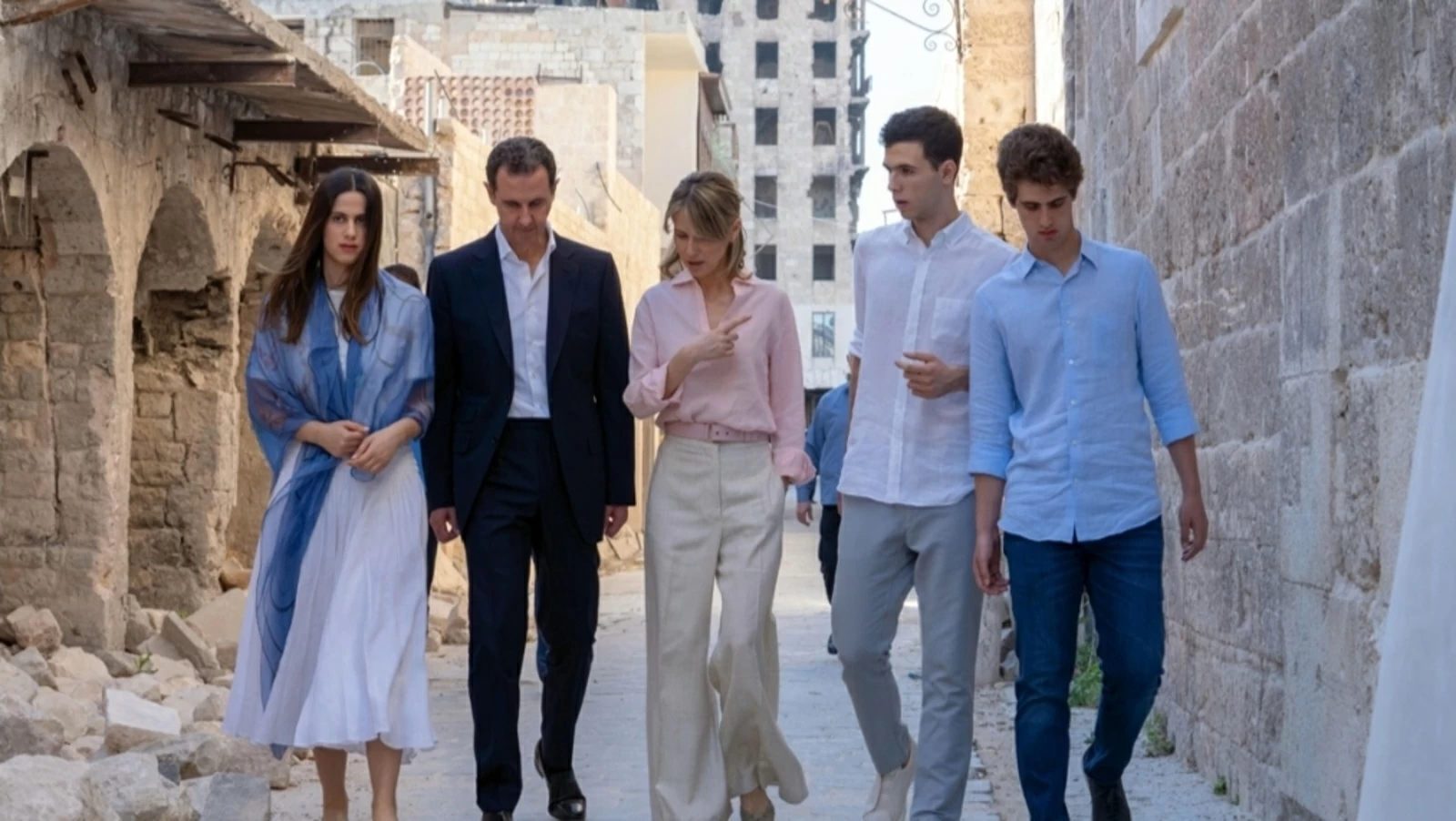
وصفت المتحدثة باسم وزارة الخارجية الروسية ماريا زاخاروفا، اليوم (الخميس)، استقبال بلادها للرئيس السوري السابق بشار الأسد وعائلته بأنه «إنساني»، نافية أن تكون وراء هذه الخطوة أي دوافع سياسية.
وقالت زاخاروفا، خلال مؤتمر صحفي، إن السلطات الروسية اتخذت قرارها في ضوء الظروف التي أعقبت سقوط النظام السابق في سورية، والتهديدات التي كانت تواجه الأسد وأفراد عائلته، وذلك رداً على سؤال بشأن موقف موسكو من إمكانية تسليم الأسد إلى السلطات السورية الجديدة، بعد صدور حكم غيابي بالإعدام بحقه.
وأضافت: «القرار اتُخذ بناءً على اعتبارات إنسانية بحتة»، مشيرة إلى أنه «نظراً للظروف المأساوية التي أعقبت تغيير النظام في سورية، حيث كان هو وعائلته يواجهون تهديدات بالقتل»، على حد قولها.
وأكدت المتحدثة باسم الخارجية الروسية أن استقبال الأسد في روسيا لم يكن مدفوعاً باعتبارات سياسية.
وتشير هذه التصريحات إلى أن روسيا لا تعتزم تسليم الأسد إلى السلطات السورية لمحاكمته أو تنفيذ الحكم الصادر بحقه، بعد إدانته بارتكاب جرائم خلال فترة حكمه لسورية.
وكان الأسد قد غادر سورية إلى روسيا مع انهيار نظامه في ديسمبر 2024، بعد دخول فصائل المعارضة إلى دمشق وانتهاء أكثر من خمسة عقود من حكم عائلة الأسد، وأكدت موسكو حينها وجود الأسد وأفراد من عائلته على الأراضي الروسية ومنحته اللجوء لأسباب إنسانية.
وقضت محكمة الجنايات الرابعة بدمشق، في 11 أغسطس الجاري، بإعدام رأس النظام البائد الفار بشار الأسد، وعاطف نجيب، وعدد من المتهمين الفارين، بينهم ماهر حافظ الأسد، وفهد جاسم الفريج، ومحمد أيمن عيوش، ولؤي علي العلي، وقصي إبراهيم ميهوب، ووفيق صالح ناصر، وطلال فارس العيسمي، لارتكابهم جرائم بحق الشعب السوري.
كما قضت المحكمة ذاتها بإعدام المتهم وسيم الأسد ومصادرة أمواله المنقولة وغير المنقولة، بعد إدانته بارتكاب جرائم ضد الإنسانية وجرائم حرب بحق الشعب السوري خلال عهد النظام البائد.
The spokesperson for the Russian Foreign Ministry, Maria Zakharova, described today (Thursday) the reception of former Syrian President Bashar al-Assad and his family by her country as "humanitarian," denying that there are any political motives behind this step.
Zakharova stated during a press conference that the Russian authorities made their decision in light of the circumstances following the fall of the previous regime in Syria and the threats faced by Assad and his family, in response to a question regarding Moscow's position on the possibility of handing Assad over to the new Syrian authorities after a death sentence was issued against him in absentia.
She added, "The decision was made based on purely humanitarian considerations," pointing out that "given the tragic circumstances that followed the regime change in Syria, where he and his family were facing threats of death," according to her.
The Russian Foreign Ministry spokesperson confirmed that Assad's reception in Russia was not driven by political considerations.
These statements indicate that Russia does not intend to hand Assad over to the Syrian authorities for trial or to carry out the sentence issued against him after being convicted of committing crimes during his rule in Syria.
Assad left Syria for Russia with the collapse of his regime in December 2024, following the entry of opposition factions into Damascus and the end of more than five decades of Assad family rule. Moscow confirmed at that time the presence of Assad and some of his family members on Russian territory and granted him asylum for humanitarian reasons.
The Fourth Criminal Court in Damascus ruled on August 11 of this year to execute the fugitive head of the fallen regime, Bashar al-Assad, along with Aatif Najib and several other fugitive defendants, including Maher Hafiz al-Assad, Fahd Jassem al-Freij, Muhammad Ayman Ayoush, Louay Ali al-Ali, Qusay Ibrahim Mayhub, Wafiq Saleh Nasser, and Talal Fares al-Aysami, for committing crimes against the Syrian people.
The same court also sentenced the accused Waseem al-Assad to death and ordered the confiscation of his movable and immovable property after he was convicted of committing crimes against humanity and war crimes against the Syrian people during the era of the fallen regime.