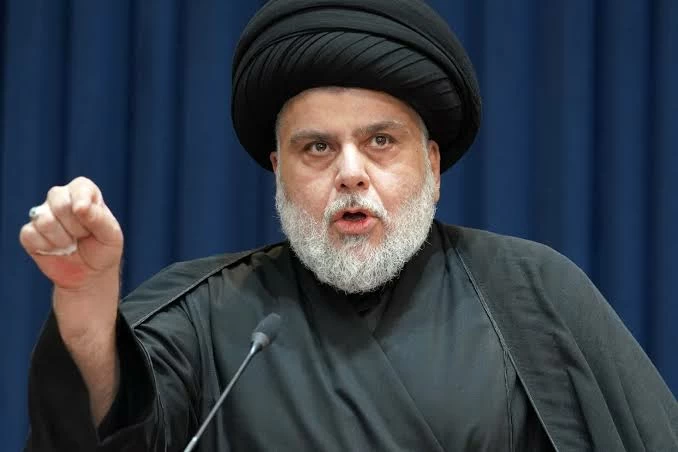
أعلن زعيم التيار الوطني الشيعي مقتدى الصدر أنه يدعم خطوات رئيس الوزراء علي الزيدي الهادفة إلى حصر السلاح بيد الدولة، مؤكداً استمرار التواصل لمتابعة تطورات الملف والعمل على تذليل العقبات التي قد تعترض تنفيذه.
وقال بيان الهيئة السياسية للتيار، اليوم الأحد، إن التواصل بين الصدر والحكومة يجري عبر قنوات متعددة، بعضها مباشر والآخر غير مباشر، بهدف الاطلاع بصورة مستمرة على مسار الإجراءات الحكومية المتعلقة بملف حصر السلاح، مضيفاً أن موقف الصدر يقوم على دعم مبدأ احتكار الدولة للسلاح وإنهاء أي مظاهر للتسلح خارج المؤسسات الرسمية.
وأضاف أن الصدر أكد استعداده لتقديم مختلف أشكال الدعم السياسي والشعبي للزيدي وحكومته، من أجل إنجاح هذه المهمة، لا سيما مع اقتراب الموعد الذي حددته الحكومة لحسم الملف في الثلاثين من سبتمبر القادم.
وأوضح البيان أن التيار الوطني ينظر إلى حصر السلاح باعتباره خطوة أساسية لترسيخ سلطة الدولة وتعزيز الاستقرار الداخلي، مشيراً إلى أن نجاح الحكومة في تنفيذ التزاماتها ضمن التوقيت المعلن من شأنه تعزيز الثقة بقدرتها على إدارة الملفات الأمنية الحساسة بعيداً عن الضغوط والتجاذبات السياسية.
وشدد على أن دعم الصدر لا يقتصر على الموقف السياسي، بل يشمل الاستعداد للمساهمة في توفير بيئة سياسية وشعبية تساعد الحكومة على تنفيذ إجراءاتها، مؤكداً ضرورة أن تتم العملية وفق مسار قانوني ومؤسساتي يحفظ هيبة الدولة ويحول دون أي انزلاق إلى صدام داخلي.
من جانبه، أكد المستشار الأمني لرئيس الوزراء العراقي قاسم الأعرجي، في تصريحات صحفية، أن الحوار مستمر مع الفصائل لحصر السلاح بيد الدولة، لافتاً إلى أن سلاح البيشمركة ضمن الدستور، وقرار سحب السلاح لكل ما هو خارج عن الدستور.
وأضاف الأعرجي أن الفصائل ملتزمة حالياً بعدم القيام بأي عمل ضد دول الجوار أو داخل العراق، وعازمون على إنهاء الملفات التي تسبب الأذى للعراق ولدول الجوار.
واعتبر أن الفرصة ستكون مواتية بعد انسحاب التحالف الدولي في 30 سبتمبر القادم، مؤكداً أن الحوار سيكون جاداً مع الفصائل لحصر السلاح. واعتبر أن «انسحاب التحالف لا يعني قطيعة مع واشنطن، بل سنواصل تبادل المعلومات الأمنية».
The leader of the Shiite National Current, Muqtada al-Sadr, announced his support for the steps taken by Prime Minister Ali al-Zaydi aimed at restricting arms to the state, affirming the continuation of communication to follow up on developments regarding the file and to work on overcoming any obstacles that may hinder its implementation.
The statement from the political body of the current, issued today, Sunday, indicated that communication between al-Sadr and the government is taking place through multiple channels, some direct and others indirect, with the aim of continuously monitoring the course of government procedures related to the arms restriction file. It added that al-Sadr's position is based on supporting the principle of state monopoly over arms and ending any manifestations of arming outside official institutions.
It further stated that al-Sadr confirmed his readiness to provide various forms of political and popular support to al-Zaydi and his government in order to succeed in this mission, especially with the approaching deadline set by the government to resolve the file on September 30.
The statement clarified that the National Current views the restriction of arms as a fundamental step to consolidate state authority and enhance internal stability, noting that the government's success in fulfilling its commitments within the announced timeline would enhance confidence in its ability to manage sensitive security files away from political pressures and disputes.
It emphasized that al-Sadr's support is not limited to a political stance but also includes readiness to contribute to providing a political and popular environment that helps the government implement its procedures, stressing the necessity for the process to occur within a legal and institutional framework that preserves the state's dignity and prevents any slide into internal conflict.
For his part, the security advisor to the Iraqi Prime Minister, Qassem al-Araji, confirmed in press statements that dialogue is ongoing with the factions to restrict arms to the state, pointing out that the Peshmerga's arms are constitutional, and the decision to withdraw arms pertains to anything outside the constitution.
Al-Araji added that the factions are currently committed to not taking any action against neighboring countries or within Iraq, and they are determined to resolve issues that harm Iraq and its neighboring countries.
He considered that the opportunity will be favorable after the withdrawal of the international coalition on September 30, emphasizing that the dialogue will be serious with the factions to restrict arms. He noted that "the withdrawal of the coalition does not mean a break with Washington, but we will continue to exchange security information."