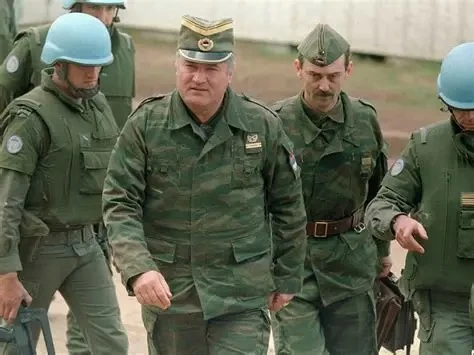
طالبت الحكومة الصربية محكمة الأمم المتحدة المختصة بجرائم الحرب في لاهاي بتسليم جثمان القائد العسكري السابق لصرب البوسنة راتكو ملاديتش إلى عائلته في أسرع وقت، بعد وفاته داخل السجن أثناء قضائه عقوبة السجن مدى الحياة.
وقال وزير العدل الصربي نيناد فوييتش إن بلغراد تنتظر معلومات بشأن الإجراءات الجارية المتعلقة بجثمان ملاديتش، مشيراً إلى أن السلطات الصربية لا تستطيع تحديد موعد التسليم لأن الأمر يخضع لإجراءات المحكمة والجهات المختصة في لاهاي.
وأضاف أن صربيا تطالب بإنجاز الإجراءات «بأسرع ما يمكن»، حتى تتمكن عائلة ملاديتش من تسلم الجثمان ودفنه في بلاده.
وكان ملاديتش قد توفي في 27 أغسطس الجاري عن 84 عاماً داخل منشأة تابعة للأمم المتحدة في لاهاي، حيث كان يقضي حكماً بالسجن مدى الحياة بعد إدانته بارتكاب جرائم إبادة جماعية وجرائم ضد الإنسانية وجرائم حرب خلال حرب البوسنة، وأكدت المحكمة أن وفاته جاءت بينما كان لا يزال يقضي العقوبة الصادرة بحقه.
ويعد ملاديتش واحداً من أكثر الشخصيات إثارة للجدل في تاريخ حروب يوغوسلافيا السابقة، بعدما تولى قيادة جيش صرب البوسنة خلال الحرب التي دارت بين 1992 و1995، وكان من أبرز القادة العسكريين في الصراع الذي أسفر عن مقتل أكثر من 100 ألف شخص وتشريد أعداد ضخمة من السكان.
ويرتبط اسم ملاديتش بصورة خاصة بمجزرة سريبرينيتسا في يوليو 1995، عندما قتلت قوات صرب البوسنة أكثر من 8 آلاف رجل وفتى من مسلمي البوسنة في أكبر جريمة إبادة جماعية تشهدها أوروبا منذ الحرب العالمية الثانية، بحسب الأحكام الصادرة عن المحكمة الدولية.
كما أدين ملاديتش بالمسؤولية عن جرائم ارتكبت خلال حصار سراييفو، الذي استمر سنوات وشهد قصفاً واستهدافاً للمدنيين، وأسفر عن مقتل آلاف الأشخاص، إلى جانب جرائم اضطهاد وترحيل وقتل في مناطق أخرى من البوسنة.
وبعد سنوات من الاختباء، ألقت السلطات الصربية القبض على ملاديتش عام 2011، وسلمته إلى المحكمة الجنائية الدولية ليوغوسلافيا السابقة في لاهاي. وفي 2017 أصدرت المحكمة حكماً بالسجن مدى الحياة بحقه، وأيدت غرفة الاستئناف الحكم والإدانات الرئيسية في 2021.
ورغم الإدانة الدولية، ظل ملاديتش يحظى بصورة مختلفة لدى بعض القوميين الصرب، الذين اعتبروه بطلاً عسكرياً، بينما رآه الناجون وعائلات الضحايا رمزاً للجرائم التي ارتكبت بحق المدنيين خلال الحرب. وأعادت وفاته إحياء الانقسام المستمر في البلقان بشأن إرث الحرب والعدالة وجرائم الإبادة.
وكان الرئيس الصربي ألكسندر فوتشيتش قد انتقد المحكمة الدولية عقب وفاة ملاديتش، واصفاً طريقة تعاملها مع طلبات الإفراج عنه لأسباب صحية بأنها «غير حضارية»، فيما أكد أن بلغراد ستساعد عائلته في تنظيم دفن لائق إذا طلبت ذلك.
وتفتح وفاة ملاديتش صفحة جديدة في واحد من أكثر الملفات دموية في تاريخ أوروبا الحديث، لكنها لا تنهي الجدل السياسي والمجتمعي بشأن حرب البوسنة ولا الخلافات المستمرة حول سريبرينيتسا والمسؤولية عن الجرائم التي ارتكبت خلالها.
The Serbian government has requested the United Nations war crimes court in The Hague to hand over the body of the former military leader of the Bosnian Serbs, Ratko Mladić, to his family as soon as possible, following his death in prison while serving a life sentence.
Serbian Justice Minister Nenaad Voičić stated that Belgrade is awaiting information regarding the ongoing procedures related to Mladić's body, noting that Serbian authorities cannot determine the date of delivery as it is subject to court procedures and the relevant authorities in The Hague.
He added that Serbia is demanding that the procedures be completed "as quickly as possible," so that Mladić's family can receive the body and bury him in his homeland.
Mladić died on August 27 at the age of 84 inside a United Nations facility in The Hague, where he was serving a life sentence after being convicted of committing genocide, crimes against humanity, and war crimes during the Bosnian War. The court confirmed that his death occurred while he was still serving the sentence imposed on him.
Mladić is considered one of the most controversial figures in the history of the former Yugoslav wars, having led the Army of Republika Srpska during the war that took place from 1992 to 1995. He was one of the prominent military leaders in the conflict that resulted in the deaths of over 100,000 people and the displacement of large numbers of the population.
His name is particularly associated with the Srebrenica massacre in July 1995, when Bosnian Serb forces killed more than 8,000 men and boys from the Bosniak Muslims in the largest act of genocide witnessed in Europe since World War II, according to rulings issued by the international court.
He was also convicted of responsibility for crimes committed during the siege of Sarajevo, which lasted for years and involved shelling and targeting civilians, resulting in the deaths of thousands, along with crimes of persecution, deportation, and murder in other areas of Bosnia.
After years of hiding, Serbian authorities arrested Mladić in 2011 and handed him over to the International Criminal Tribunal for the former Yugoslavia in The Hague. In 2017, the court issued a life sentence against him, and the appeals chamber upheld the ruling and the main convictions in 2021.
Despite international condemnation, Mladić maintained a different image among some Serbian nationalists, who viewed him as a military hero, while survivors and the families of victims saw him as a symbol of the crimes committed against civilians during the war. His death has revived the ongoing divisions in the Balkans regarding the legacy of the war, justice, and genocide.
Serbian President Aleksandar Vučić criticized the international court following Mladić's death, describing its handling of requests for his release on health grounds as "uncivilized," while confirming that Belgrade would assist his family in organizing a proper burial if requested.
Mladić's death opens a new chapter in one of the bloodiest files in modern European history, but it does not end the political and societal debate regarding the Bosnian War nor the ongoing disputes over Srebrenica and responsibility for the crimes committed during it.