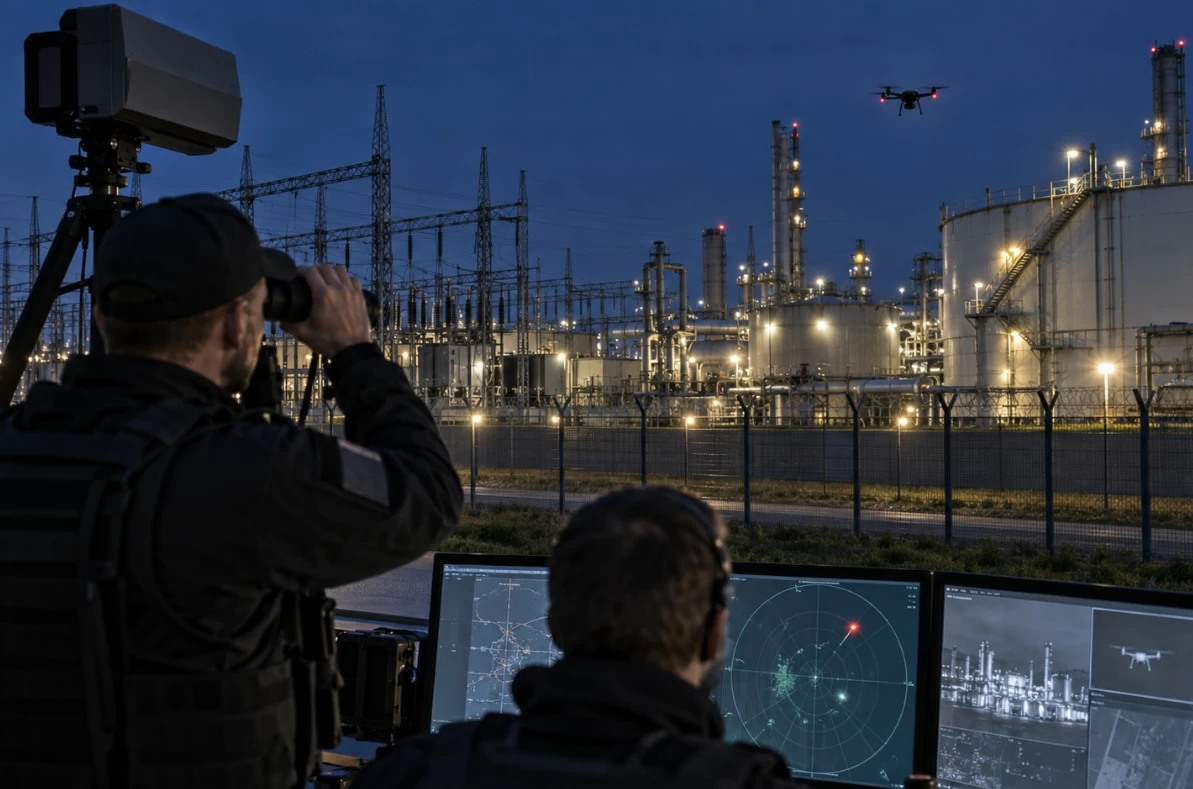
تعتزم الحكومة الألمانية، بالتنسيق مع حكومات الولايات، إدخال تعديلات قانونية تسمح لمشغلي المنشآت الحيوية بالمشاركة في التصدي للطائرات المسيرة التي قد تهدد منشآتهم، مع تحديد الإجراءات التي ستظل حصراً من اختصاص السلطات الأمنية.
تحديد صلاحيات المشغلين والسلطات
وقالت متحدثة باسم وزارة الداخلية الاتحادية، أمس، إن المناقشات الجارية تركز على تحديد التدابير التي يمكن للشركات تنفيذها بنفسها أو بالاستعانة بجهات أخرى، مقابل الإجراءات التي ينبغي أن تبقى من اختصاص الدولة.
وأوضحت أن هذه الخطوة تتطلب معالجة عدد من المسائل القانونية المرتبطة بتداخل صلاحيات الحكومة الاتحادية وحكومات الولايات.
تطوير آليات الرصد والتصدي
وأضافت المتحدثة أن المراجعة تشمل أيضاً تحسين القواعد المنظمة لرصد الطائرات المسيرة والتعامل معها، وتسريع عملية التمييز بين الطائرات المخالفة وتلك التي تعمل بصورة قانونية.
وكان وزير الداخلية الألماني ألكسندر دوبرينت قد أكد رغبته في منح مشغلي المنشآت الحيوية، من بينها محطات الكهرباء وشبكات الطاقة والمصانع الكيميائية، صلاحيات لاتخاذ إجراءات ضد الطائرات المسيرة التي تشكل تهديداً لهذه المنشآت.
وأشار إلى أن تنفيذ ذلك يتطلب استكمال الأسس القانونية التي تسمح للمشغلين باستخدام تدابير مناسبة للتصدي لهذه المخاطر.
وقائع تخريب تدفع نحو تشديد الحماية
وتأتي التحركات الألمانية في أعقاب وقائع تخريب استهدفت شبكات الكهرباء في ولايتي براندنبورغ وشمال الراين وستفاليا، إضافة إلى محاولة إضرام حريق في موقع يضم شركات دفاعية في ميونيخ.
لائحة جديدة لحماية المنشآت الحيوية
وبحسب وزارة الداخلية الألمانية، يجري إعداد لائحة تنفيذية لقانون حماية المنشآت الحيوية، الذي دخل حيز التنفيذ في 17 مارس الماضي، لتحديد المنشآت التي يشملها القانون تمهيداً لتسجيلها لدى المكتب الاتحادي للحماية المدنية والإغاثة من الكوارث، وتطبيق تدابير الحماية المطلوبة.
ويتضمن القانون أيضاً إلزام المنشآت بالإبلاغ عن الحوادث المرتبطة بالأمن.
The German government, in coordination with the state governments, intends to introduce legal amendments that allow operators of critical facilities to participate in countering drones that may threaten their facilities, while defining the procedures that will remain exclusively under the jurisdiction of security authorities.
Defining the Powers of Operators and Authorities
A spokesperson for the Federal Ministry of the Interior stated yesterday that ongoing discussions focus on determining the measures that companies can implement themselves or with the assistance of other entities, versus the procedures that should remain under state jurisdiction.
She explained that this step requires addressing a number of legal issues related to the overlap of powers between the federal government and state governments.
Developing Monitoring and Response Mechanisms
The spokesperson added that the review also includes improving the regulations governing the monitoring of drones and dealing with them, and speeding up the process of distinguishing between non-compliant drones and those operating legally.
German Interior Minister Alexander Dobrindt had confirmed his desire to grant operators of critical facilities, including power plants, energy networks, and chemical factories, the authority to take action against drones that pose a threat to these facilities.
He noted that implementing this requires completing the legal foundations that allow operators to use appropriate measures to counter these risks.
Incidents of Sabotage Prompting Stricter Protection
The German moves come in the wake of sabotage incidents targeting electricity networks in the states of Brandenburg and North Rhine-Westphalia, in addition to an attempt to set fire to a site housing defense companies in Munich.
New Regulations for Protecting Critical Facilities
According to the German Ministry of the Interior, an executive regulation for the Critical Infrastructure Protection Act, which came into effect on March 17, is being prepared to identify the facilities covered by the law in preparation for their registration with the Federal Office for Civil Protection and Disaster Relief, and to implement the required protection measures.
The law also includes a requirement for facilities to report incidents related to security.