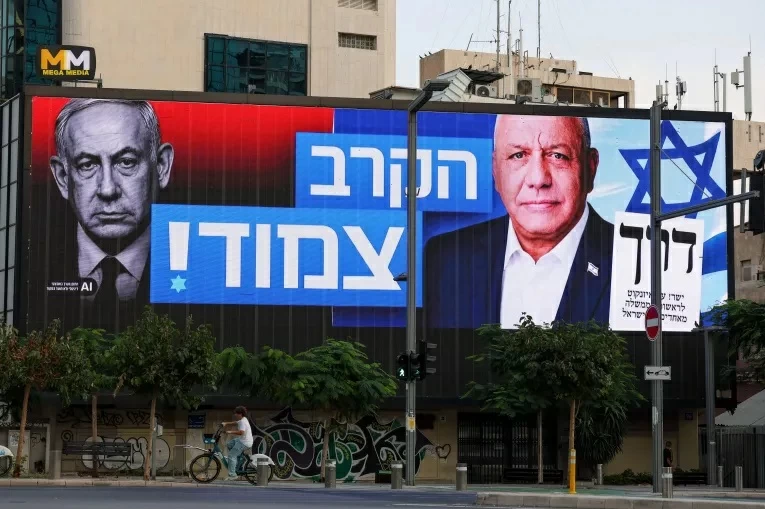
دخلت الانتخابات البرلمانية الإسرائيلية مرحلة حاسمة وسط اتهامات متبادلة وصراع محتدم على تشكيل الحكومة القادمة، بعدما اتهم حزب الليكود، بزعامة رئيس الوزراء بنيامين نتنياهو، الأحزاب العربية بـ«سرقة» الانتخابات، بالتزامن مع إظهار التقديرات الأولية تقدماً معسكره بـ53 مقعداً مقابل 48 لمعسكر المعارضة بقيادة غادي آيزنكوت، و19 مقعداً للأحزاب العربية، في نتائج لا تمنح أياً من المعسكرين أغلبية مستقلة داخل الكنيست.
وقال الليكود، في بيان (الأربعاء)، إن الانتخابات «سُرقت» على يد أحزاب عربية، متهماً إياها بارتكاب مخالفات تشمل الفساد والتهديد والعنف والتزوير، واستخدام برمجيات محظورة لحث الناخبين على التصويت.
وأضاف أنه يعمل على تقديم إفادات وأدلة إلى السلطات المختصة، دون نشر أدلة تتيح التحقق المستقل من هذه المزاعم، فيما لم تُعلن السلطات الانتخابية، وفق المعلومات المتاحة، ثبوت عمليات تزوير واسعة تؤيد الاتهامات.
وتأتي هذه التطورات مع استمرار فرز الأصوات، إذ أعلنت لجنة الانتخابات المركزية أنه بعد فرز 85.6% منها، حصل معسكر نتنياهو على 53 مقعداً، مقابل 48 لمعسكر آيزنكوت، و19 مقعداً للأحزاب العربية.
وتظل هذه الأرقام أوليةً وقابلةً للتغيير إلى حين إعلان النتائج الرسمية النهائية.
ويحتاج أي ائتلاف حكومي إلى 61 مقعداً على الأقل من أصل 120 في الكنيست، ما يجعل حسابات تشكيل الحكومة مفتوحةً على تحالفات وتفاهمات بين القوى السياسية، خصوصاً في ظل الثقل الذي حققته الأحزاب العربية، وعدم امتلاك أي من المعسكرين الرئيسيين أغلبية واضحة بمفرده.
الأحزاب العربية في قلب حسابات الحكومة
وفي ظل هذه المعادلة، دعا رئيس القائمة العربية المشتركة يوسف جبارين إلى إقامة «شراكة يهوديةـ عربية حقيقية» لإنهاء حكم نتنياهو، مؤكداً أن أي طرف يسعى إلى تقديم بديل سياسي حقيقي لحكومته سيكون مضطراً إلى الحوار مع الأحزاب العربية لضمان إحداث التغيير.
من جانبه، قال رئيس حزب «الديمقراطيين» يائير غولان، إن المعسكر المناوئ لنتنياهو يمتلك، وفق حساباته، 65 مقعداً مقابل 55، داعياً إلى عدم استبعاد أصوات المواطنين العرب من حسابات تشكيل الأغلبية، ومشدداً على ضرورة التعامل مع أصواتهم على قدم المساواة مع أصوات الناخبين اليهود.
لكن حسابات غولان لا تعني وجود اتفاق ائتلافي بين جميع الأحزاب التي يضمها إلى المعسكر المناوئ لنتنياهو، فيما تظل مواقف الأحزاب العربية وشروط مشاركتها في أي ترتيبات سياسية عاملاً مؤثراً في مسار تشكيل الحكومة.
وفي هذا السياق، أشارت لجنة الانتخابات المركزية الإسرائيلية إلى أن التقديرات الأولية ترجّح وصول عدد المغلفات المزدوجة إلى نحو 480 ألفاً، ما يبقي النتائج عرضةً للتغيير قبل استكمال الفرز وإعلان الحصيلة النهائية.
هرتسوغ يستعد لمشاورات تشكيل الحكومة
وبالتزامن مع استمرار الترقب السياسي، أعلن الرئيس الإسرائيلي إسحاق هرتسوغ أنه سيدعو ممثلي الكتل البرلمانية لإجراء مشاورات الأسبوع القادم، تمهيداً لتكليف شخص بتشكيل الحكومة القادمة، داعياً ممثلي الأحزاب إلى المشاركة بعقول منفتحة.
ولم يعلن نتنياهو أو آيزنكوت فوزهما في الانتخابات، في وقت تترقب فيه القوى السياسية نتائج الفرز النهائية وما ستكشفه من فرص لتشكيل ائتلاف قادر على نيل ثقة الكنيست.
وعلى الجانب الأمريكي، قال الرئيس دونالد ترمب لموقع «أكسيوس» إنه تلقى في البداية تقارير مقلقة بشأن فرص نتنياهو، لكنه يرى أن وضعه أصبح جيداً للغاية، معتبراً أن دعمه أحدث فرقاً كبيراً.
وأضاف أنه لم يفكر بعد في التدخل للمساعدة على تشكيل حكومة وحدة وطنية بقيادة نتنياهو، لكنه سينظر في الأمر.
خلافات سياسية حول الجيش وإيران
وفي موازاة الصراع على تشكيل الحكومة، تصاعدت المواجهة السياسية بين وزير الدفاع الإسرائيلي يسرائيل كاتس وآيزنكوت، إذ اتهم كاتس زعيم حزب «يشار» بدعوة كبار ضباط الجيش إلى تجاهل توجيهات رئيس الوزراء ووزير الدفاع والهيئات الأمنية المختصة، واصفاً تصريحاته بأنها «منفصلة عن الواقع وتنافي المبادئ الديمقراطية».
وقال كاتس إن تصريحات آيزنكوت تأتي امتداداً لما وصفها بـ«الحملة الزائفة» التي شنها هو وزملاؤه خلال الانتخابات، بشأن وجود خلافات بين المستويين العسكري والسياسي حول إيران.
وأضاف أن الجيش الإسرائيلي كان «شريكاً كاملاً» في تحقيق الإنجازات المتعلقة بإيران، ولا يزال مشاركاً في النقاشات الجارية، مؤكداً أنه سينفذ أي قرار يُطلب منه تنفيذه.
وتكشف هذه التطورات عن مشهد سياسي لا يزال مفتوحاً على احتمالات متعددة، إذ لا يتوقف الصراع عند نتائج الانتخابات وتوزيع المقاعد، بل يمتد إلى طبيعة التحالفات المطلوبة لتشكيل الحكومة، وموقع الأحزاب العربية في معادلة الأغلبية، والخلافات بين القيادات السياسية والعسكرية بشأن الملفات الأمنية، وفي مقدمتها إيران.
The Israeli parliamentary elections have entered a critical phase amid mutual accusations and a fierce struggle over the formation of the next government, after the Likud party, led by Prime Minister Benjamin Netanyahu, accused the Arab parties of "stealing" the elections. This coincides with initial estimates showing his camp making progress with 53 seats compared to 48 for the opposition camp led by Gadi Eisenkot, and 19 seats for the Arab parties, in results that do not grant either camp an independent majority within the Knesset.
The Likud stated in a statement (Wednesday) that the elections were "stolen" by Arab parties, accusing them of committing violations including corruption, threats, violence, and forgery, and using prohibited software to urge voters to cast their ballots.
It added that it is working to provide testimonies and evidence to the relevant authorities, without publishing evidence that allows for independent verification of these claims, while the electoral authorities have not announced, according to available information, any evidence of widespread fraud supporting the accusations.
These developments come as the counting of votes continues, with the Central Election Committee announcing that after counting 85.6% of the votes, Netanyahu's camp secured 53 seats, compared to 48 for Eisenkot's camp, and 19 seats for the Arab parties.
These figures remain preliminary and subject to change until the official final results are announced.
Any government coalition needs at least 61 seats out of 120 in the Knesset, making the calculations for forming a government open to alliances and understandings among political forces, especially given the weight that the Arab parties have achieved, and the lack of a clear majority for either of the two main camps on their own.
The Arab Parties at the Heart of Government Calculations
In light of this equation, the head of the Joint Arab List, Youssef Jabareen, called for establishing a "real Jewish-Arab partnership" to end Netanyahu's rule, emphasizing that any party seeking to present a genuine political alternative to his government would have to engage in dialogue with the Arab parties to ensure change.
For his part, the head of the "Democrats" party, Yair Golan, stated that the anti-Netanyahu camp has, according to his calculations, 65 seats compared to 55, calling for the voices of Arab citizens not to be excluded from the calculations for forming a majority, stressing the need to treat their votes equally with those of Jewish voters.
However, Golan's calculations do not imply a coalition agreement among all the parties he includes in the anti-Netanyahu camp, while the positions of the Arab parties and their conditions for participating in any political arrangements remain a significant factor in the government formation process.
In this context, the Israeli Central Election Committee indicated that initial estimates suggest the number of double envelopes could reach around 480,000, keeping the results subject to change before the completion of counting and the announcement of the final tally.
Herzog Prepares for Government Formation Consultations
Amid ongoing political anticipation, Israeli President Isaac Herzog announced that he would invite representatives of parliamentary blocs for consultations next week, in preparation for appointing someone to form the next government, urging party representatives to participate with open minds.
Neither Netanyahu nor Eisenkot has declared victory in the elections, as political forces await the final counting results and what they will reveal about opportunities to form a coalition capable of gaining the Knesset's confidence.
On the American side, President Donald Trump told Axios that he initially received concerning reports about Netanyahu's chances, but he sees that his situation has become very good, considering that his support has made a significant difference.
He added that he has not yet considered intervening to help form a national unity government led by Netanyahu, but he will look into it.
Political Disputes over the Army and Iran
Alongside the struggle to form a government, the political confrontation between Israeli Defense Minister Israel Katz and Eisenkot has escalated, with Katz accusing the leader of the "Yesh Atid" party of urging senior army officers to ignore the directives of the Prime Minister and the Minister of Defense and the relevant security bodies, describing his statements as "disconnected from reality and contrary to democratic principles."
Katz stated that Eisenkot's remarks are an extension of what he described as the "false campaign" that he and his colleagues waged during the elections regarding the existence of disagreements between the military and political levels concerning Iran.
He added that the Israeli army was a "full partner" in achieving accomplishments related to Iran and is still involved in ongoing discussions, affirming that he will implement any decision requested of him.
These developments reveal a political scene that remains open to multiple possibilities, as the struggle does not stop at the election results and the distribution of seats, but extends to the nature of the alliances required to form the government, the position of the Arab parties in the majority equation, and the disagreements among political and military leaders regarding security files, foremost among them Iran.