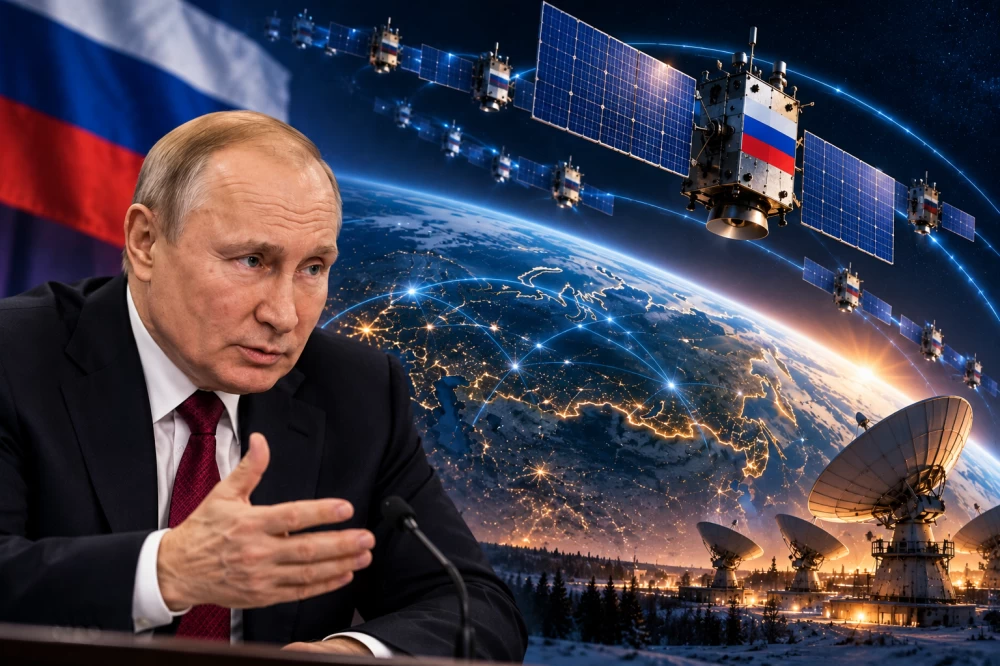
كشف الرئيس الروسي فلاديمير بوتين، عن إحراز موسكو تقدماً في تطوير شبكة روسية للإنترنت عبر الأقمار الصناعية، تهدف إلى منافسة منظومة «ستارلينك» التابعة لشركة «سبيس إكس».
وجاءت تصريحات بوتين، الأربعاء، خلال تفقده معرضاً على هامش القمة الروسية الأفريقية في موسكو، حيث استمع إلى عرض قدمه وزير التنمية الرقمية الروسي ماكسوت شادايف بشأن مشروع شبكة الأقمار الصناعية الروسية «راسفيت».
أكثر من 30 قمراً صناعياً روسياً
وأوضح الوزير الروسي أن بلاده أطلقت أكثر من 30 قمراً صناعياً ضمن جهود إنشاء شبكة اتصالات فضائية منخفضة المدار، في خطوة أولية نحو تطوير بديل محلي لمنظومة «ستارلينك».
وقارن بوتين بين التقدم الروسي وحجم الشبكة التي طورتها شركة «سبيس إكس»، مشيراً إلى أن ماسك يمتلك آلاف الأقمار الصناعية العاملة في المدار الأرضي المنخفض.
وقال الرئيس الروسي إن بلاده ما زالت في بداية الطريق، لكنها فخورة ببدء تطوير هذه التقنيات بصورة مستقلة، مؤكداً أن المرحلة القادمة تتطلب الانتقال من التركيز على الجودة إلى التوسع في أعداد الأقمار الصناعية.
اتصالات مع ماسك
وكشف بوتين أن موسكو تحتفظ باتصالات وثيقة مع شركاء أمريكيين في قطاع الفضاء، من بينهم إيلون ماسك، موضحاً أن التنسيق بين الأطراف العاملة في المدار الأرضي ضروري لتجنب التداخل وضمان الانضباط في العمليات الفضائية.
وتسعى روسيا من خلال مشروع «راسفيت» إلى إنشاء شبكة اتصالات تعتمد على أقمار صناعية منخفضة المدار، لتوفير خدمات الإنترنت والاتصالات للاستخدامات المدنية والعسكرية.
«ستارلينك» والحرب الأوكرانية
وتأتي التصريحات الروسية في ظل استمرار اعتماد القوات الأوكرانية على خدمات «ستارلينك» ومنظومتها العسكرية «ستارشيلد» في الاتصالات الميدانية وتشغيل الطائرات المسيّرة.
وكانت أوكرانيا قد أعلنت خلال أكتوبر الجاري تعرض بعض خدمات الاتصالات الفضائية لقيود على السرعة، أثرت في عمليات اعتراض المسيّرات الروسية وأدت إلى تعطيل بعض الأنشطة العسكرية.
وأعلنت كييف لاحقاً استعادة خدمات «ستارلينك» و«ستارشيلد» بصورة كاملة، فيما اتهم ماسك الجيش الأوكراني بمخالفة شروط استخدام خدمات شركته.
ولم تعلن شركة «سبيس إكس» أو الحكومة الأمريكية مسؤوليتهما عن فرض القيود التي اشتكت منها أوكرانيا.
ويعكس المشروع الروسي مساعي موسكو لتطوير قدراتها المستقلة في مجال الاتصالات الفضائية، وتقليص الفجوة التقنية مع منظومة «ستارلينك»، التي تضم آلاف الأقمار الصناعية وتوفر خدمات الإنترنت عبر مناطق واسعة من العالم.
Russian President Vladimir Putin revealed that Moscow has made progress in developing a Russian satellite internet network aimed at competing with the "Starlink" system operated by SpaceX.
Putin's statements came on Wednesday during his visit to an exhibition on the sidelines of the Russia-Africa summit in Moscow, where he listened to a presentation by Russian Minister of Digital Development Maksut Shadayev regarding the Russian satellite network project "Rasvet."
More than 30 Russian Satellites
The Russian minister explained that the country has launched more than 30 satellites as part of efforts to establish a low-orbit space communication network, marking a preliminary step towards developing a local alternative to the "Starlink" system.
Putin compared the Russian progress to the size of the network developed by SpaceX, noting that Musk has thousands of operational satellites in low Earth orbit.
The Russian president stated that the country is still at the beginning of the road, but is proud to have started developing these technologies independently, emphasizing that the next phase requires a shift from focusing on quality to expanding the number of satellites.
Communications with Musk
Putin revealed that Moscow maintains close communications with American partners in the space sector, including Elon Musk, explaining that coordination among parties operating in low Earth orbit is essential to avoid interference and ensure discipline in space operations.
Through the "Rasvet" project, Russia aims to establish a communication network based on low-orbit satellites to provide internet and communication services for civilian and military uses.
"Starlink" and the Ukrainian War
The Russian statements come amid the continued reliance of Ukrainian forces on "Starlink" services and its military system "Starshield" for field communications and operating drones.
Ukraine announced during October that some satellite communication services faced speed restrictions, which affected operations to intercept Russian drones and disrupted some military activities.
Kyiv later announced the full restoration of "Starlink" and "Starshield" services, while Musk accused the Ukrainian military of violating the terms of use of his company's services.
Neither SpaceX nor the U.S. government has announced their responsibility for imposing the restrictions complained about by Ukraine.
The Russian project reflects Moscow's efforts to develop its independent capabilities in the field of space communications and to reduce the technological gap with the "Starlink" system, which includes thousands of satellites and provides internet services across vast areas of the world.