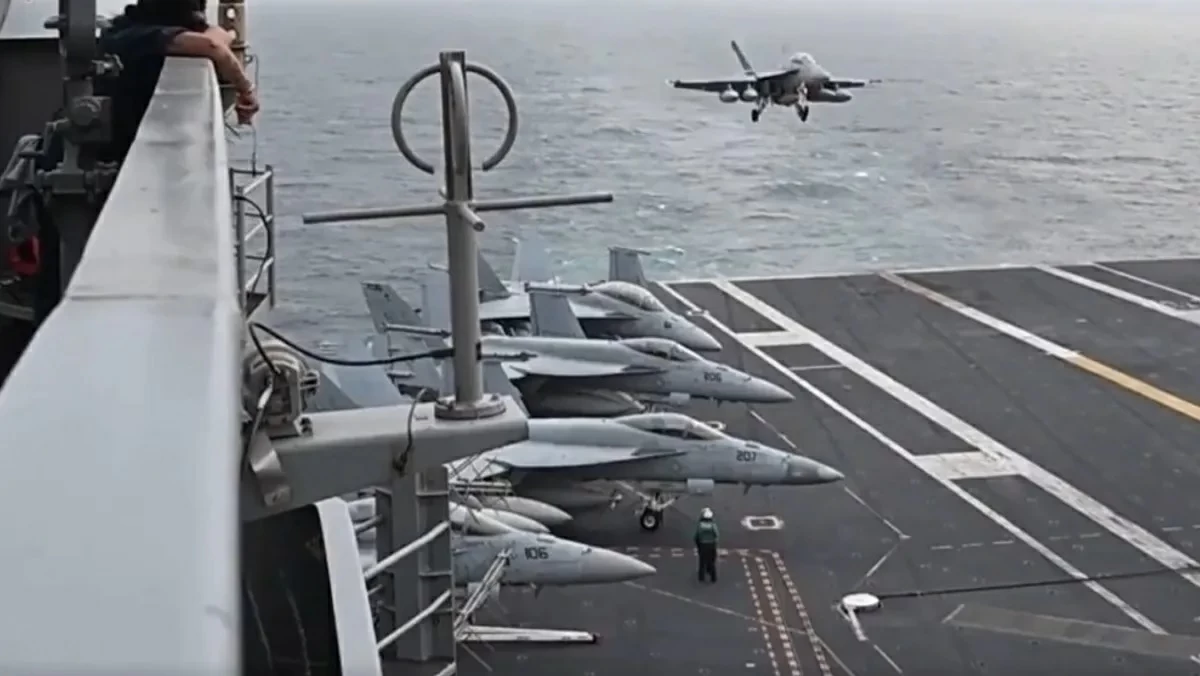
تتكثف المساعي الدبلوماسية للتوصل إلى اتفاق بين واشنطن وطهران وتجنب ضربة عسكرية أمريكية قد تؤدي إلى تجدد المواجهة بين الجانبين، وسط تفاؤل حذر أبداه الرئيس الأمريكي دونالد ترمب بشأن المفاوضات، وإشارة إيرانية إلى تغير في نبرة واشنطن.
رد واسع وحرب أطول
جددت إيران تهديداتها برد واسع وحرب أطول على أي ضربات أمريكية أو إسرائيلية جديدة تستهدف أراضيها. وقال المتحدث باسم الجيش الإيراني محمد أكرمي نيا، (الأحد) «إن أي حرب في المستقبل قد تستمر أطول من الحرب السابقة، ولن يكون الرئيس الأمريكي في موقع يتيح له فرض توقيت انتهائها أو شروط إنهائها».
وأشار المتحدث باسم الحرس الثوري اللواء حسين محبي، إلى أنه لم يعد لدى «القوات الإيرانية أي قيود جغرافية». وقال خلال فعالية بمحافظة كرمان اليوم، إن القوات الإيرانية منعت «العدو من تحقيق هدفه المتمثل في إسقاط نظام الحكم وتقسيم البلاد»، وفق ما نقلت وكالة تسنيم.
وزعم أن الولايات المتحدة «لم تتمكن حتى الآن من فتح مضيق هرمز لبضع ساعات». وأضاف أن الحرس الثوري وضع أهدافاً جديدة وخططاً لعمليات في نطاق جغرافي جديد.
المفاوضات تسير على نحو جيد
ولم يستبعد الرئيس ترمب مساء أمس السبت شن ضربات سريعة ضد بعض المواقع الإيرانية، إلا أنه شدد على أن المفاوضات مستمرة وتسير على نحو جيد، لكنه عبر عن شكوكه في إمكانية الاعتماد على الجانب الإيراني، قائلاً إن طهران تبرم اتفاقات ثم تتراجع عنها. وأضاف أن الولايات المتحدة ليست في عجلة من أمرها للتوصل إلى اتفاق.
وأعلن أن بلاده لا تزال بحاجة إلى التعامل مع «موقع أو موقعين داخل إيران»، لافتاً إلى أن استهدافهما قد يستغرق نحو 10 دقائق. وأضاف: «لدينا هذه الإمكانية، ولدينا خطة لذلك. ويمكنكم على الأرجح الاطلاع على موقع جبل الفأس، إذ يتعين التعامل معه. ويمكننا إنجاز ذلك كله بسرعة كبيرة».
ونقلت صحيفة «وول ستريت جورنال» عن مصادر مطلعة قولها إن ترمب أجرى اتصالاً هاتفياً مع رئيس الوزراء الإسرائيلي بنيامين نتنياهو، أمس السبت، في سياق الاستعدادات لاحتمال استئناف العمليات العسكرية. وجاء الاتصال بعد أيام من اجتماع ترمب في البيت الأبيض مع كبار قادته العسكريين، لبحث خيارات استئناف عمليات قتالية واسعة النطاق في المنطقة.
طهران تتحدث عن تغير النبرة
ونقلت وكالة «أسوشيتد برس» عن دبلوماسيين قولهم: إن واشنطن طلبت من دول في الشرق الأوسط الاستعداد لاحتمال استئناف الضربات على إيران بعد انتخابات 3 نوفمبر، ولاحتمال تعرضها لرد إيراني قد يستهدف منشآت الطاقة والبنية التحتية الحيوية في المنطقة، مؤكدين أن ترمب لم يتخذ قراراً نهائياً بشأن شن هجمات جديدة.
وفي طهران، قال أمين المجلس الأعلى للأمن القومي الإيراني اللواء محسن رضائي، إنه لم يرد بعد على رسالة نائب الرئيس الأمريكي جي دي فانس، معتبراً أن نبرتها «تغيرت بشكل كامل».
ونقلت وكالة «تسنيم» الإيرانية عن رضائي قوله: «لقد قرأت الرسالة، ولم أرد عليها بعد.. لقد تغيرت النبرة تماماً، وهذا بالطبع مؤشر جيد للغاية، دعونا نتقدم الآن».
وقال إن «أي مفاوضات نووية مستقبلية يجب أن تضمن احترام حقوق إيران النووية بموجب معاهدة عدم انتشار الأسلحة النووية»، مشيراً إلى أن الملف النووي الإيراني لن يكون مطروحاً للنقاش إلا بعد تلبية الولايات المتحدة مطالب طهران.
Diplomatic efforts are intensifying to reach an agreement between Washington and Tehran and to avoid a potential U.S. military strike that could lead to renewed confrontation between the two sides, amid cautious optimism expressed by U.S. President Donald Trump regarding the negotiations, and an Iranian indication of a change in Washington's tone.
Widespread Response and Longer War
Iran has renewed its threats of a widespread response and a longer war to any new U.S. or Israeli strikes targeting its territory. Iranian army spokesman Mohammad Akrami Nia stated on Sunday, "Any war in the future may last longer than the previous war, and the U.S. president will not be in a position to dictate its end timing or conditions."
The spokesman for the Revolutionary Guard, Major General Hossein Mohammadi, indicated that "Iranian forces no longer have any geographical restrictions." He said during an event in Kerman province today that Iranian forces have prevented "the enemy from achieving its goal of overthrowing the regime and dividing the country," according to Tasnim news agency.
He claimed that the United States "has not been able to open the Strait of Hormuz for even a few hours." He added that the Revolutionary Guard has set new targets and plans for operations in a new geographical scope.
Negotiations Are Going Well
President Trump did not rule out launching quick strikes against some Iranian sites on Saturday evening, but emphasized that negotiations are ongoing and going well. However, he expressed doubts about the reliability of the Iranian side, stating that Tehran makes agreements and then retracts them. He added that the United States is not in a hurry to reach an agreement.
He announced that his country still needs to deal with "one or two sites inside Iran," noting that targeting them could take about 10 minutes. He added, "We have this capability, and we have a plan for it. You can probably check the location of Mount Axe, as it needs to be dealt with. We can accomplish all of this very quickly."
The Wall Street Journal reported that Trump made a phone call to Israeli Prime Minister Benjamin Netanyahu on Saturday as part of preparations for the possibility of resuming military operations. The call came days after Trump's meeting at the White House with senior military leaders to discuss options for resuming large-scale combat operations in the region.
Tehran Talks About a Change in Tone
The Associated Press reported that diplomats said Washington has asked countries in the Middle East to prepare for the possibility of resuming strikes on Iran after the November 3 elections, and for the possibility of an Iranian response that could target energy facilities and critical infrastructure in the region, confirming that Trump has not made a final decision regarding new attacks.
In Tehran, the Secretary of the Supreme National Security Council of Iran, Major General Mohsen Rezaei, stated that he has not yet responded to a message from U.S. Vice President J.D. Vance, considering that its tone has "changed completely."
Rezaei was quoted by the Iranian Tasnim news agency as saying, "I have read the message, but I have not responded to it yet... The tone has completely changed, and this is, of course, a very good indicator; let us move forward now."
He stated that "any future nuclear negotiations must ensure respect for Iran's nuclear rights under the Non-Proliferation Treaty," indicating that the Iranian nuclear file will not be up for discussion until the United States meets Tehran's demands.