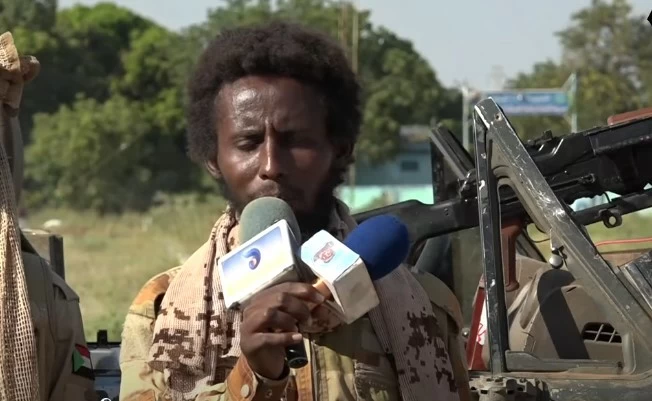
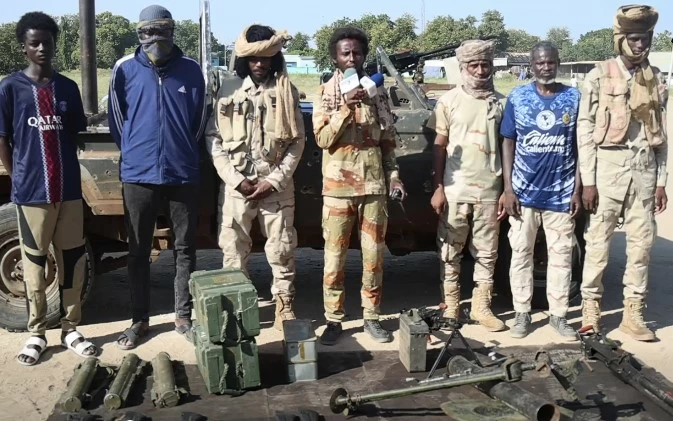
في تطور جديد يعكس تعقيدات المشهد العسكري في إقليم النيل الأزرق، سلّمت مجموعة منشقة من قوات الدعم السريع نفسها إلى قيادة الفرقة الرابعة مشاة بمدينة الدمازين، وسط تصاعد المواجهات العسكرية بالإقليم، وتزايد الاتهامات بشأن وجود تدخلات خارجية في مسار الحرب الدائرة بالسودان.
وبحسب بيان رسمي صدر، اليوم (الاثنين) عن المكتب الإعلامي لقيادة الفرقة الرابعة مشاة الدمازين، كشف قائد المجموعة، في إفادة أعقبت تسليم نفسه، عن معلومات تتعلق بهيكل القيادة وإدارة العمليات العسكرية لقوات الدعم السريع في إقليم النيل الأزرق، متحدثًا عن وجود دعم إثيوبي للقوات، إلى جانب مشاركة مقاتلين ومرتزقة من جنسيات أجنبية في العمليات العسكرية.
وقال القائد المنشق إن العمليات العسكرية بالإقليم تُدار من خلال قيادة واحدة، مشيرًا إلى أن قائد قوات الدعم السريع محمد حمدان دقلو (حميدتي)، وشقيقه عبدالرحيم دقلو، إلى جانب جوزيف، لا يملكون، بحسب إفادته، سلطة اتخاذ القرار أو الإدارة المباشرة للعمليات العسكرية في المنطقة.
وفي اتهامات أخرى، نسب القائد المنشق إلى إثيوبيا مسؤولية إطلاق الطائرات المسيّرة التي تستهدف الأراضي السودانية، معتبرًا أن الدعم الخارجي يمثل عاملًا مؤثرًا في إدارة العمليات العسكرية وتطور المواجهات داخل الإقليم.
النيل الأزرق.. جبهة مفتوحة على التصعيد
وتأتي واقعة الانشقاق في ظل تصاعد العمليات العسكرية بإقليم النيل الأزرق، الذي تحول إلى إحدى الجبهات المهمة في الحرب السودانية، خصوصًا مع اتساع المواجهات بين القوات المسلحة السودانية وتحالف قوات الدعم السريع والحركة الشعبية – شمال بقيادة عبد العزيز الحلو.
وشهد الإقليم منذ فبراير 2026 تطورات ميدانية متسارعة، حيث تمكنت القوات المتحالفة من السيطرة على مناطق استراتيجية، من بينها الكرمك وقيسان، وسط تحركات عسكرية متبادلة وتعزيزات دفعت بها القوات المسلحة إلى المنطقة.
وفي الأول من سبتمبر الماضي، أفادت صحيفة «سودان تربيون» بوصول تعزيزات من القوات المشتركة للحركات المسلحة المتحالفة مع الجيش إلى مدينة الدمازين، للمشاركة في العمليات العسكرية ومساندة القوات الحكومية في مواجهة تحالف الدعم السريع والحركة الشعبية – شمال.
كما أشارت تقارير صحفية إلى وجود معسكرات وتجمعات عسكرية مرتبطة بالدعم السريع داخل الأراضي الإثيوبية، خصوصاً في منطقة أصوصا، وسط اتهامات سودانية بتقديم دعم لوجستي وعسكري وتسهيل تحركات المقاتلين الأجانب.
وفي 22 أكتوبر الماضي، أعلن الجيش السوداني استعادة السيطرة على منطقتي بكوري وعقليلي بإقليم النيل الأزرق، كما أعلن إسقاط طائرة مسيّرة قال إنها دخلت المجال الجوي السوداني من جهة إثيوبيا، في تطور عكس اتساع نطاق المواجهات واستخدام الطائرات المسيّرة في العمليات العسكرية.
السودان يودع شكوى رسمية ضد إثيوبيا أمام مجلس الأمن والاتحاد الإفريقي
وبالتزامن مع هذه التطورات، أعلنت وزارة الخارجية السودانية إيداع شكوى رسمية لدى مجلس الأمن الدولي ومجلس السلم والأمن التابع للاتحاد الإفريقي، على خلفية ما وصفته بـ«الاعتداء السافر» الذي قالت إن إثيوبيا نفذته انطلاقًا من أراضيها واستهدف مواقع وأعيانًا مدنية ومنشآت حيوية داخل السودان.
وقالت الخارجية السودانية إن الاعتداءات شملت محطات توليد الكهرباء ومرافق البنية التحتية، وأدت إلى سقوط ضحايا من المدنيين وتعطيل خدمات أساسية، معتبرة أن هذه الهجمات تمثل تصعيدًا خطيرًا يهدد أمن السودان واستقرار المنطقة.
وجاء التحرك الدبلوماسي السوداني بعد اتهامات متكررة لأديس أبابا بالسماح باستخدام أراضيها في إطلاق طائرات مسيّرة باتجاه أهداف داخل السودان، وهي اتهامات سبق أن نفتها إثيوبيا، التي أكدت احترامها لسيادة السودان، واتهمت بدورها الخرطوم بدعم جماعات معارضة إثيوبية.
70 هجومًا و187 طائرة مسيّرة.. تفاصيل الاتهامات السودانية
وفي تطور لافت، كشف وكيل وزارة الخارجية والتعاون الدولي السودانية، السفير معاوية عثمان، عن توثيق الحكومة السودانية 70 هجومًا بالطائرات المسيّرة خلال الفترة الممتدة من 15 فبراير وحتى 27 أكتوبر 2026، بمشاركة 187 طائرة مسيّرة هجومية، وفقًا لما أعلنته السلطات السودانية.
وبحسب تقرير حكومي سوداني، أسفرت الهجمات عن مقتل وإصابة 484 مدنيًا، إلى جانب مقتل 176 من أفراد القوات المسلحة وإصابة 200 آخرين.
وقال المسؤول السوداني، خلال إحاطة للبعثات الدبلوماسية المعتمدة لدى السودان، إن الهجمات استهدفت منشآت إنتاج الكهرباء ومحطات المياه والمدارس والمستشفيات ومحطات الوقود، فضلًا عن مواقع مدنية وبنية تحتية حيوية في عدد من الولايات.
ووفقًا لما أوردته وكالة الأنباء السودانية، وصف معاوية عثمان الهجمات بأنها «عدوان على السودان»، متهمًا إثيوبيا بشن حرب بالوكالة باستخدام قوات الدعم السريع طرفًا في العمليات العسكرية.
وأشار التقرير السوداني إلى أن شهر أكتوبر وحده شهد 28 هجومًا باستخدام 97 طائرة مسيّرة هجومية، في تصعيد قال المسؤولون السودانيون إنه ألحق أضرارًا كبيرة بالمنشآت الحيوية وشبكات الكهرباء.
وكانت السلطات السودانية قد عرضت، خلال إحاطة رسمية في الخرطوم يوم 28 أكتوبر، ما قالت إنها بيانات فنية وصور أقمار صناعية وحطام طائرات مسيّرة، باعتبارها أدلة على انطلاق هجمات من مواقع داخل الأراضي الإثيوبية، من بينها مطار أصوصا وقاعدة بحر دار الجوية.
وذكرت تقارير إعلامية أن من بين الوقائع التي أوردها التقرير السوداني هجومًا استهدف أسرًا نازحة في منطقة ود الماحي بإقليم النيل الأزرق في التاسع من أكتوبر، وأسفر، وفقًا للرواية الحكومية، عن مقتل 30 مدنيًا وإصابة نحو 100 آخرين.
الخرطوم تتمسك بالمسار الدبلوماسي وتحتفظ بحق الرد
وأكد وكيل وزارة الخارجية السودانية أن الحكومة تواصل جهودها لخفض التصعيد ومعالجة التوترات في العلاقات مع إثيوبيا عبر القنوات الدبلوماسية، مشددًا على احتفاظ السودان بحقه الكامل في الرد على أي اعتداء يستهدف أراضيه وسيادته، وفقًا للقانون الدولي.
وفي الثاني من نوفمبر الجاري، نقلت وكالة الأناضول عن الخارجية السودانية إعلانها تقديم الشكاوى الرسمية إلى مجلس الأمن والاتحاد الإفريقي، مطالبة بوقف ما وصفته بالاعتداءات المنطلقة من الأراضي الإثيوبية ومحاسبة المسؤولين عنها.
وفي المقابل، سبق لأديس أبابا أن نفت الاتهامات السودانية المتعلقة بتقديم الدعم العسكري لقوات الدعم السريع أو السماح باستخدام أراضيها لتنفيذ هجمات ضد السودان.
In a new development that reflects the complexities of the military scene in the Blue Nile region, a splinter group from the Rapid Support Forces surrendered to the leadership of the Fourth Infantry Division in the city of Damazin, amidst escalating military confrontations in the region and increasing accusations regarding external interventions in the ongoing war in Sudan.
According to an official statement issued today (Monday) by the media office of the Fourth Infantry Division in Damazin, the leader of the group revealed, in a statement following his surrender, information related to the command structure and management of military operations of the Rapid Support Forces in the Blue Nile region, speaking about the presence of Ethiopian support for the forces, alongside the participation of fighters and mercenaries of foreign nationalities in military operations.
The defected leader stated that military operations in the region are managed from a single command, indicating that the leader of the Rapid Support Forces, Mohamed Hamdan Dagalo (Hemedti), his brother Abdel Rahim Dagalo, and Joseph do not possess, according to his statement, the authority to make decisions or directly manage military operations in the area.
In other accusations, the defected leader attributed to Ethiopia the responsibility for launching drones that target Sudanese territory, considering that external support represents a significant factor in managing military operations and the escalation of confrontations within the region.
The Blue Nile.. An open front for escalation
The incident of defection comes amid escalating military operations in the Blue Nile region, which has become one of the important fronts in the Sudanese war, especially with the widening confrontations between the Sudanese Armed Forces and the alliance of the Rapid Support Forces and the Sudan People's Liberation Movement – North led by Abdel Aziz al-Hilu.
The region has witnessed rapid field developments since February 2026, where the allied forces managed to control strategic areas, including Kurmuk and Qaisan, amidst mutual military movements and reinforcements sent by the armed forces to the area.
On September 1, the newspaper "Sudan Tribune" reported the arrival of reinforcements from the joint forces of the armed movements allied with the army to the city of Damazin, to participate in military operations and support government forces in facing the alliance of the Rapid Support Forces and the Sudan People's Liberation Movement – North.
Media reports also indicated the presence of camps and military gatherings linked to the Rapid Support Forces inside Ethiopian territory, particularly in the Asosa area, amidst Sudanese accusations of providing logistical and military support and facilitating the movements of foreign fighters.
On October 22, the Sudanese army announced the restoration of control over the areas of Bakouri and Aqleili in the Blue Nile region, and also announced the downing of a drone that it said had entered Sudanese airspace from the direction of Ethiopia, in a development that reflected the widening scope of confrontations and the use of drones in military operations.
Sudan files an official complaint against Ethiopia before the Security Council and the African Union
In parallel with these developments, the Sudanese Ministry of Foreign Affairs announced the filing of an official complaint with the United Nations Security Council and the African Union Peace and Security Council, following what it described as a "blatant aggression" that it said Ethiopia carried out from its territory targeting civilian sites and vital installations within Sudan.
The Sudanese Foreign Ministry stated that the aggressions included power generation stations and infrastructure facilities, leading to civilian casualties and disruption of essential services, considering that these attacks represent a serious escalation that threatens the security of Sudan and the stability of the region.
The Sudanese diplomatic move came after repeated accusations against Addis Ababa of allowing its territory to be used for launching drones towards targets inside Sudan, accusations that Ethiopia had previously denied, asserting its respect for Sudan's sovereignty and accusing Khartoum of supporting Ethiopian opposition groups.
70 attacks and 187 drones.. Details of the Sudanese accusations
In a notable development, the Sudanese Undersecretary of Foreign Affairs and International Cooperation, Ambassador Maawiya Osman, revealed that the Sudanese government has documented 70 drone attacks during the period from February 15 to October 27, 2026, involving 187 attack drones, according to what the Sudanese authorities announced.
According to a Sudanese government report, the attacks resulted in the deaths and injuries of 484 civilians, alongside the deaths of 176 members of the armed forces and injuries to 200 others.
The Sudanese official, during a briefing for the accredited diplomatic missions in Sudan, stated that the attacks targeted electricity production facilities, water stations, schools, hospitals, and fuel stations, as well as civilian sites and vital infrastructure in several states.
According to what the Sudanese News Agency reported, Maawiya Osman described the attacks as "aggression against Sudan," accusing Ethiopia of waging a proxy war using the Rapid Support Forces as a party in military operations.
The Sudanese report indicated that the month of October alone witnessed 28 attacks using 97 attack drones, in an escalation that Sudanese officials said caused significant damage to vital facilities and electricity networks.
The Sudanese authorities had presented, during an official briefing in Khartoum on October 28, what they claimed were technical data, satellite images, and wreckage of drones, as evidence of attacks launched from sites within Ethiopian territory, including Asosa Airport and Bahir Dar Air Base.
Media reports mentioned that among the incidents cited in the Sudanese report was an attack targeting displaced families in the Wad al-Mahi area in the Blue Nile region on October 9, which, according to the government narrative, resulted in the deaths of 30 civilians and injuries to about 100 others.
Khartoum insists on the diplomatic path and retains the right to respond
The Sudanese Undersecretary of Foreign Affairs confirmed that the government continues its efforts to de-escalate and address tensions in relations with Ethiopia through diplomatic channels, emphasizing Sudan's full right to respond to any aggression targeting its territory and sovereignty, in accordance with international law.
On November 2, the Anadolu Agency reported that the Sudanese Foreign Ministry announced the submission of official complaints to the Security Council and the African Union, demanding the cessation of what it described as aggressions originating from Ethiopian territory and holding those responsible accountable.
In contrast, Addis Ababa had previously denied the Sudanese accusations regarding providing military support to the Rapid Support Forces or allowing its territory to be used to carry out attacks against Sudan.