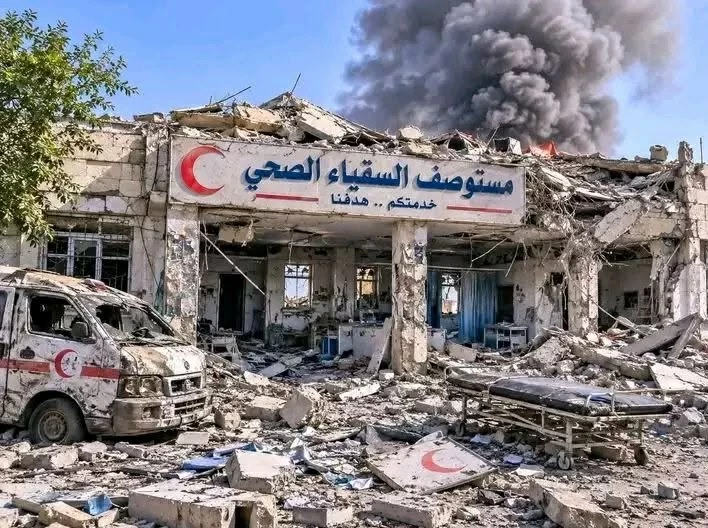
في اعتداءً جديداً يطال المنشآت المدنية والطبية في اليمن، استهدفت مليشيا الحوثي الإرهابية مركز السقياء الصحي بمديرية المضاربة في محافظة لحج بصاروخ باليستي، ما أسفر عن مقتل خمسة بينهم ثلاثة من الكوادر الطبية وإصابة 15 آخرين، في تطور يعيد تسليط الضوء على مخاطر استهداف المرافق الصحية والعاملين فيها، وانعكاسات ذلك على الخدمات الطبية المقدمة للمدنيين.
ووصف رئيس الوزراء اليمني الدكتور شائع محسن الزنداني الهجوم بأنه جريمة إرهابية وانتهاك صارخ للقانون الدولي الإنساني، مؤكداً أن استهداف منشأة صحية تؤدي دوراً إنسانياً في إنقاذ الأرواح يمثل اعتداءً مباشراً على حق المواطنين في الحياة والعلاج والأمان.
وشدد الزنداني خلال اتصال أجراه، (الاثنين)، بمحافظ لحج مراد الحالمي، للاطلاع على تفاصيل الهجوم وحجم الخسائر البشرية والمادية، على أن استهداف المنشآت الطبية يكشف خطورة الاعتداءات التي تطال المرافق المدنية، ويحرم السكان من خدمات صحية أساسية هم في أمسّ الحاجة إليها.
تعز في واجهة الانتهاكات
وربط رئيس الوزراء اليمني الهجوم على مركز السقياء الصحي بسجل الانتهاكات الحوثية في محافظة تعز، حيث تتواصل الاعتداءات على المنشآت الطبية والمدنيين والأحياء السكنية، إلى جانب الحصار والقصف المستمر، مبيناً أن تكرار هذه الاعتداءات في لحج وتعز ومحافظات أخرى يؤكد اتساع نطاق المخاطر التي تواجه المدنيين ومقدراتهم الأساسية.
وحذر الزنداني من أن الصمت عن استهداف المنشآت الصحية أو التعامل معه باعتباره حدثاً عابراً يشجع على تكرار الانتهاكات، ويقوض قواعد حماية المدنيين التي يكفلها القانون الدولي الإنساني، داعياً إلى موقف وطني ودولي حازم ومحاسبة المسؤولين عن هذه الجرائم.
توثيق وملاحقة المسؤولين
وفي تحرك حكومي للتعامل مع تداعيات الهجوم، وجه رئيس الوزراء اليمني السلطات المحلية والجهات الصحية والأمنية في لحج بتكثيف الجهود لتقديم الرعاية الطبية اللازمة للمصابين، ومتابعة حاجات أسر الضحايا، إلى جانب اتخاذ الإجراءات الضرورية لتوثيق الجريمة وجمع الأدلة، بما يضمن ملاحقة مرتكبيها ومساءلتهم.
وفي السياق ذاته، دانت وزارة الصحة العامة والسكان اليمنية الاعتداء الإجرامي الآثم الذي تعرض له مركز السقياء الصحي، مؤكدة مقتل خمسة أشخاص وإصابة 15 آخرين بينهم ثلاثة قتلى وسبعة جرحى من الفريق الطبي العامل بالمركز في انتهاك صارخ للقوانين والأعراف الإنسانية والدولية التي تكفل حماية المنشآت الصحية والعاملين فيها والمرضى والمترددين عليها.
وأوضحت الوزارة أن استهداف المرافق الصحية يمثل جريمة خطيرة وانتهاكاً سافراً لمبدأ تحييد المنشآت الطبية عن الصراعات المسلحة واعتداءً مباشراً على حق المدنيين في الحصول على الرعاية الصحية كما يشكل تهديداً لحياة المرضى والجرحى والممارسين الصحيين الذين يؤدون واجبهم الإنساني في إنقاذ الأرواح وتقديم الخدمات الطبية دون تمييز.
ويضع استهداف مركز السقياء الصحي ملف حماية المنشآت الطبية والعاملين في القطاع الصحي أمام تحدٍ جديد، في ظل استمرار الحرب وتضرر الخدمات الأساسية في عدد من المحافظات اليمنية، وما يترتب على ذلك من تداعيات مباشرة على حياة المدنيين وقدرتهم على الحصول على الرعاية الصحية.
In a new attack targeting civilian and medical facilities in Yemen, the Houthi terrorist militia targeted the Al-Suqayah Health Center in the Al-Mudharabah district of Lahij Governorate with a ballistic missile, resulting in the death of five people, including three medical staff, and injuring 15 others. This development brings attention back to the dangers of targeting health facilities and their workers, and the implications for medical services provided to civilians.
The Yemeni Prime Minister, Dr. Shaea Mohsen Al-Zandani, described the attack as a terrorist crime and a blatant violation of international humanitarian law, emphasizing that targeting a health facility that plays a humanitarian role in saving lives represents a direct assault on the citizens' right to life, treatment, and safety.
Al-Zandani stressed during a call he made on (Monday) to the Lahij Governor Murad Al-Halimi to inquire about the details of the attack and the extent of human and material losses, that targeting medical facilities reveals the seriousness of the assaults on civilian facilities and deprives residents of essential health services they desperately need.
Taiz at the Forefront of Violations
The Yemeni Prime Minister linked the attack on the Al-Suqayah Health Center to the record of Houthi violations in Taiz Governorate, where assaults on medical facilities, civilians, and residential neighborhoods continue, alongside the ongoing siege and shelling. He pointed out that the recurrence of these assaults in Lahij, Taiz, and other governorates confirms the widening scope of the dangers facing civilians and their basic resources.
Al-Zandani warned that silence regarding the targeting of health facilities or treating it as a passing event encourages the repetition of violations and undermines the rules for protecting civilians guaranteed by international humanitarian law, calling for a firm national and international stance and accountability for those responsible for these crimes.
Documenting and Pursuing the Responsible
In a governmental move to address the repercussions of the attack, the Yemeni Prime Minister directed local authorities and health and security agencies in Lahij to intensify efforts to provide necessary medical care to the injured and to follow up on the needs of the victims' families, in addition to taking necessary measures to document the crime and gather evidence, ensuring the prosecution and accountability of the perpetrators.
In the same context, the Yemeni Ministry of Public Health and Population condemned the criminal attack on the Al-Suqayah Health Center, confirming the death of five people and the injury of 15 others, including three fatalities and seven wounded from the medical team working at the center, in a blatant violation of humanitarian and international laws and norms that guarantee the protection of health facilities and their workers, patients, and visitors.
The ministry clarified that targeting health facilities represents a serious crime and a flagrant violation of the principle of neutralizing medical facilities from armed conflicts and a direct assault on the right of civilians to access healthcare, as it poses a threat to the lives of patients, the injured, and health practitioners who perform their humanitarian duty in saving lives and providing medical services without discrimination.
The targeting of the Al-Suqayah Health Center places the issue of protecting medical facilities and health sector workers before a new challenge, amid the ongoing war and the deterioration of essential services in several Yemeni governorates, with direct repercussions on the lives of civilians and their ability to access healthcare.