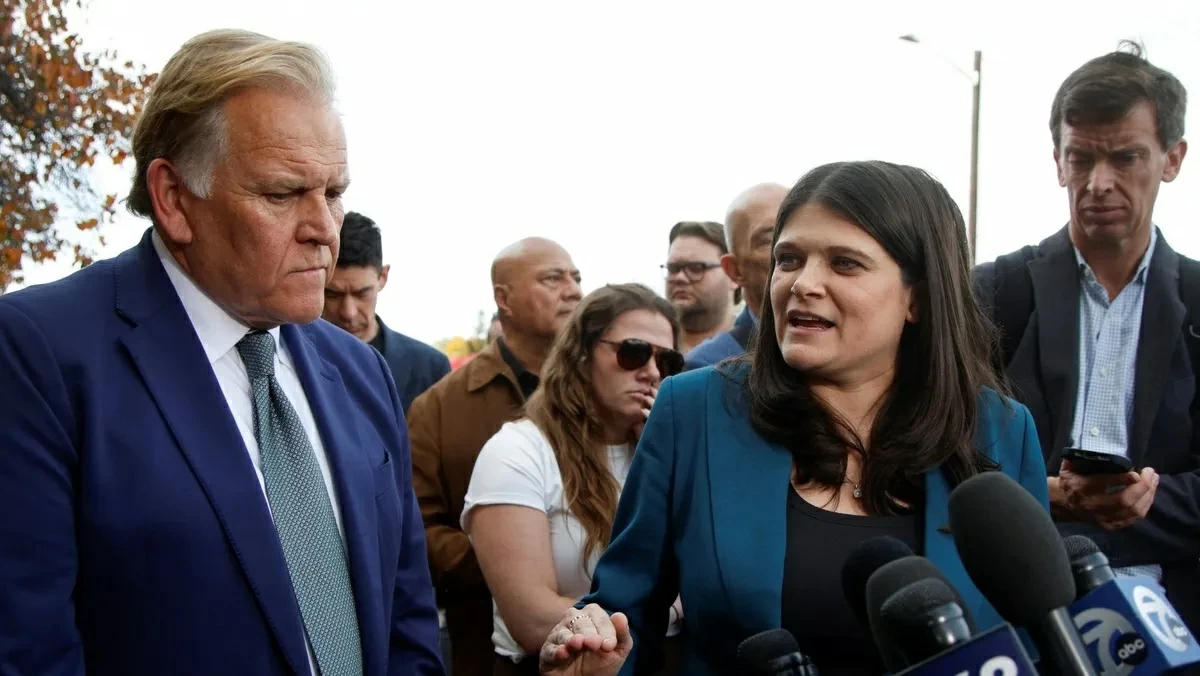
في تحول مفاجئ أربك حسابات الحزب الديمقراطي الأمريكي، اختارت النائبة الديمقراطية هالي ستيفنز الوقوف إلى جانب منافس حزبها الجمهوري مايك روجرز في سباق مجلس الشيوخ عن ولاية ميشيجان، معلنةً تأييده في خطوة فجرت خلافات داخل الحزب، وأعادت إلى الواجهة الانقسامات العميقة بشأن الموقف من إسرائيل والحرب في غزة، بعد أشهر من التنافس الحاد بينها وبين المرشح الديمقراطي عبدول السيد.
وجاء الإعلان على نحو غير متوقع، بعدما أمضت ستيفنز أياماً في طمأنة قيادات ديمقراطية بارزة بأنها لن تدعم روجرز، بل كانت تستعد للمشاركة في فعالية انتخابية مع السيد لإظهار وحدة الحزب وتجاوز تداعيات الانتخابات التمهيدية التي خسرتها أمامه، وفق ما أوردته صحيفة «واشنطن بوست».
وبحسب الصحيفة، أبلغت ستيفنز حاكم ميشيجان السابق جيم بلانشارد مساءً (السبت) بعزمها حضور قداس في كنيسة بمدينة ديترويت برفقة السيد، وأرسلت إليه عنوان الكنيسة، قبل أن تغير خطتها خلال ساعات، وتحضر قداساً آخر برفقة روجرز، حيث عانقته وجلست إلى جواره، ثم أعلنت تأييدها له، معتبرةً أنه الخيار الأفضل لشغل مقعداً قد يؤثر في ميزان القوى داخل مجلس الشيوخ.
وأثار الموقف صدمةً داخل الأوساط الديمقراطية، خصوصاً أن ستيفنز سبق أن أيدت السيد عقب فوزه بالانتخابات التمهيدية، ووصفته بأنه مرشح رائعاً، وشاركت في حث الناخبين على التصويت له. كما أكدت لقيادات بارزة، بينهم زعيم الأقلية الديمقراطية في مجلس الشيوخ تشاك شومر، وحاكمة ميشيجان جريتشن ويتمر، والنائبة ديبي دينجل، أنها لن تنضم إلى خطيبها جيسون تيركيش في تأييد المرشح الجمهوري.
وتعود جذور الخلاف إلى الانتخابات التمهيدية التي تنافس فيها الطرفان، إذ تبنى السيد، الذي قد يصبح أول مسلم ينتخب لعضوية مجلس الشيوخ الأمريكي حال فوزه، مواقف أكثر يسارية، ووصف الحرب الإسرائيلية على غزة بأنها «إبادة جماعية»، وهو ما أثار اعتراض ستيفنز وعدد من الديمقراطيين. كما أنفقت لجنة الشؤون العامة الأمريكية الإسرائيلية «أيباك» والمجموعات المرتبطة بها عشرات الملايين من الدولارات لدعم حملتها، فيما اتهمها السيد بالعمل لمصلحة المنظمة.
ولم تتوقف تداعيات الانقسام عند المواقف السياسية، بل امتدت إلى المواجهة الشخصية، خصوصاً بعد إعلان خطيب ستيفنز تأييد روجرز، الأسبوع الماضي، وانتقاده مواقف السيد بشأن إسرائيل. واتهمت ستيفنز بعض تصرفات المرشح الديمقراطي بأنها معاديةً للسامية، فيما نفى فريقه مسؤوليته عن إعلان انتخابي مثير للجدل انتقد المساعدات الأمريكية لإسرائيل.
وفي مقابلة مع شبكة «سي إن إن» واجهت ستيفنز أسئلة بشأن أسباب انقلاب موقفها خلال فترة وجيزة، وركزت في ردودها على خلافاتها السابقة مع السيد، بينما وصفت النائبة ديبي دينجل المقابلة بأنها من أكثر المقابلات إيلاماً، محذرةً من أن الحملة الانتخابية غذت مشاعر الغضب والكراهية داخل المجتمعات اليهودية والعربية والإفريقية في الولاية.
وسرعان ما تحولت الأزمة إلى مواجهة مفتوحة داخل الحزب؛ إذ وصف شومر قرارها بأنه «خيانة مشينة»، فيما أعلن رئيس الحزب الديمقراطي في ميشيجان أنها لم تعد عضواً فيه ولن تكون كذلك مستقبلاً. كما استقال مدير مكتبها جاستن جيرمان وعدد من موظفيها في الكونغرس احتجاجاً على موقفها، معلنين صدمتهم من القرار.
في المقابل، رحب الجمهوريون بالخطوة، ووصف الرئيس دونالد ترمب ستيفنز بأنها «شجاعة»، معرباً عن سعادته بانضمامها المحتمل إلى الحزب الجمهوري، فيما بعث رئيس مجلس النواب مايك جونسون برسالة إليها عقب إعلان موقفها.
وتعكس الأزمة، وفق «واشنطن بوست»، اتساع الخلاف داخل الحزب الديمقراطي بشأن إسرائيل، في انقسام لا يقتصر على سباق ميشيجان، بل قد يمتد تأثيره إلى معارك الحزب الانتخابية القادمة، بما فيها الانتخابات التمهيدية الرئاسية لعام 2028.
In a surprising turn that unsettled the calculations of the American Democratic Party, Democratic Representative Haley Stevens chose to stand alongside her Republican opponent Mike Rogers in the Michigan Senate race, announcing her support for him in a move that ignited disputes within the party and brought to the forefront the deep divisions regarding the stance on Israel and the war in Gaza, after months of intense competition between her and Democratic candidate Abdul El-Sayed.
The announcement came unexpectedly, after Stevens spent days reassuring prominent Democratic leaders that she would not support Rogers, and was preparing to participate in a campaign event with El-Sayed to demonstrate party unity and move past the repercussions of the primary election she lost to him, according to the Washington Post.
According to the newspaper, Stevens informed former Michigan Governor Jim Blanchard on Saturday evening of her intention to attend a mass at a church in Detroit alongside El-Sayed, sending him the church's address, before changing her plan within hours and attending another mass with Rogers, where she hugged him and sat next to him, then announced her support for him, considering him the best choice to fill a seat that could influence the balance of power in the Senate.
The stance caused shock within Democratic circles, especially since Stevens had previously supported El-Sayed after his victory in the primary elections, describing him as a wonderful candidate and participating in urging voters to vote for him. She also assured prominent leaders, including Senate Minority Leader Chuck Schumer, Michigan Governor Gretchen Whitmer, and Representative Debbie Dingell, that she would not join her fiancé Jason Turcotte in supporting the Republican candidate.
The roots of the disagreement trace back to the primary elections in which both parties competed, as El-Sayed, who could become the first Muslim elected to the U.S. Senate if he wins, adopted more leftist positions, describing the Israeli war on Gaza as "genocide," which drew objections from Stevens and several Democrats. The American Israel Public Affairs Committee (AIPAC) and affiliated groups spent tens of millions of dollars to support her campaign, while El-Sayed accused her of working in favor of the organization.
The repercussions of the division did not stop at political stances but extended to personal confrontations, especially after Stevens' fiancé announced his support for Rogers last week and criticized El-Sayed's positions on Israel. Stevens accused some of the Democratic candidate's actions of being anti-Semitic, while his team denied responsibility for a controversial campaign ad that criticized U.S. aid to Israel.
In an interview with CNN, Stevens faced questions about the reasons for her sudden change of position, focusing her responses on her previous disagreements with El-Sayed, while Representative Debbie Dingell described the interview as one of the most painful, warning that the campaign had fueled feelings of anger and hatred within Jewish, Arab, and African communities in the state.
The crisis quickly turned into an open confrontation within the party; Schumer described her decision as "a disgraceful betrayal," while the chair of the Democratic Party in Michigan announced that she was no longer a member and would not be in the future. Her office director, Justin German, and several of her congressional staff resigned in protest of her stance, expressing their shock at the decision.
In contrast, Republicans welcomed the move, with President Donald Trump describing Stevens as "brave," expressing his happiness at her potential joining of the Republican Party, while House Speaker Mike Johnson sent her a message following her announcement.
The crisis reflects, according to the Washington Post, the widening rift within the Democratic Party regarding Israel, in a division that is not limited to the Michigan race but may extend its impact to the party's upcoming electoral battles, including the 2028 presidential primary elections.