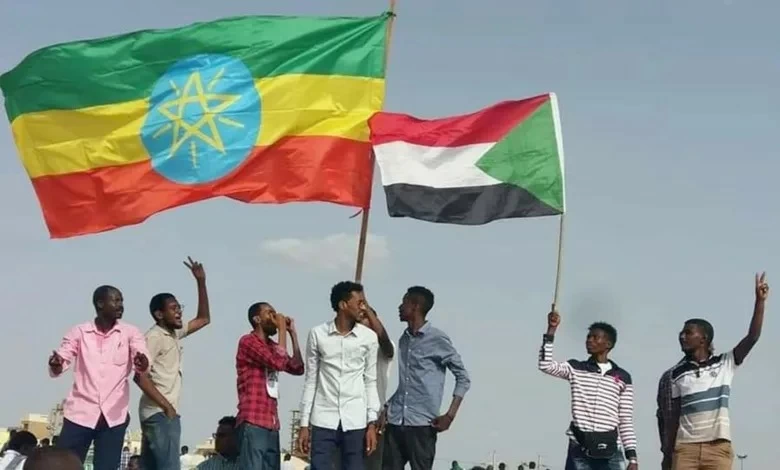
تحولت مدينة أصوصا الإثيوبية إلى بؤرة للتوتر بين الخرطوم وأديس أبابا، بعدما اتهم السودان إثيوبيا بتسهيل هجمات بطائرات مسيرة انطلقت من أراضيها، قبل أن تتصاعد الأزمة دبلوماسياً بإغلاق القنصلية السودانية في المدينة وطرد ستة من موظفيها.
وفي أحدث تطور، أمرت السلطات الإثيوبية ستة موظفين في القنصلية السودانية بأصوصا بمغادرة البلاد خلال 48 ساعة، وأغلقت البعثة القنصلية، في خطوة تعكس تدهور العلاقات بين البلدين، وسط تبادل الاتهامات بدعم جماعات مسلحة معادية لكل طرف.
وتكتسب المدينة أهمية استثنائية من موقعها الجغرافي في غرب إثيوبيا، باعتبارها عاصمة إقليم بني شنقول-قمز المحاذي للسودان، فضلاً عن وجود مطار شهد أعمال تطوير عسكرية، وأصبح اسمه محور اتهامات الخرطوم المتعلقة باستخدام الأراضي الإثيوبية في عمليات عسكرية عابرة للحدود.
من مدينة حدودية إلى أزمة دبلوماسية
لم تعلن أديس أبابا سبباً رسمياً لطرد الموظفين السودانيين وإغلاق القنصلية، وفق ما نقلته وكالتا رويترز وأسوشيتد برس عن مسؤولين من البلدين، لكن القرار جاء بعد أيام من اتهام الخرطوم لإثيوبيا بالسماح باستخدام مطار أصوصا لتسهيل هجمات بطائرات مسيرة على منشآت حيوية داخل السودان.
وفي 31 أكتوبر، اتهمت وزارة الخارجية السودانية الحكومة الإثيوبية بتسهيل هجمات استهدفت محطات كهرباء ومرافق خدمية، وقالت إن مطار أصوصا يستخدم أيضاً لإمداد قوات الدعم السريع بالأسلحة والمعدات وتسهيل عبور مقاتلين أجانب.
وتصاعدت المواجهة في 2 نوفمبر، عندما أعلنت الخرطوم تقديم شكاوى رسمية إلى مجلس الأمن الدولي ومجلس السلم والأمن التابع للاتحاد الإفريقي، متهمة إثيوبيا بالسماح باستخدام أراضيها لإطلاق مسيرات باتجاه مواقع سودانية.
70 هجوماً و187 مسيرة
ووفق تقرير قدمه مجلس السيادة الانتقالي في السودان، وثقت السلطات 70 هجوماً خلال الفترة من 15 فبراير إلى 27 أكتوبر 2026، باستخدام 187 طائرة مسيرة انتحارية و82 ذخيرة أطلقتها مسيرات، وقالت إن الهجمات أسفرت عن مقتل وإصابة مئات المدنيين والعسكريين.
وذكر التقرير أن 484 مدنياً قتلوا أو أصيبوا، إلى جانب مقتل 176 جندياً سودانياً وإصابة نحو 200 آخرين، وحدد مطار أصوصا، ومنطقة كورموك-غيزن الحدودية، وقاعدة بحر دار الجوية، ضمن المواقع التي قال إنها استُخدمت لإطلاق الهجمات.
وتبقى هذه الأرقام والاتهامات منسوبة إلى السلطات السودانية، ولم يجر التحقق المستقل من مجمل تفاصيلها. وكانت إثيوبيا قد رفضت اتهامات مماثلة، ووصفتها بأنها لا أساس لها، متهمة الجيش السوداني بدعم متمردين مرتبطين بجبهة تحرير تيغراي، وهو ما تنفيه الخرطوم.
معسكر للدعم السريع وتطوير مطار أصوصا
وتتجاوز أهمية أصوصا الاتهامات الأخيرة، إذ سبق أن سلط تحقيق استقصائي لوكالة رويترز، نشر في 10 فبراير 2026، الضوء على إنشاء معسكر لتدريب مقاتلين في منطقة منغي بإقليم بني شنقول-قمز، على بعد نحو 32 كيلومتراً من الحدود السودانية.
واستند التحقيق إلى مقابلات مع مسؤولين ومصادر أمنية ودبلوماسية، وتحليل صور الأقمار الصناعية، وقال إن المعسكر أُنشئ لتدريب مقاتلين لصالح قوات الدعم السريع، ونقلت الوكالة عن مصادر أن الإمارات مولت إنشاء الموقع وقدمت دعماً لوجستياً ومدربين عسكريين، لكنها أكدت أنها لم تتمكن من التحقق بصورة مستقلة من الدور الإماراتي أو الغرض النهائي للمعسكر، فيما نفت أبوظبي أي تورط في الحرب السودانية.
ورصد التحقيق أيضاً أعمال تطوير في مطار أصوصا بدأت منذ أغسطس 2025، شملت إنشاء حظيرة جديدة ومناطق ممهدة قرب المدرج، فضلاً عن تجهيزات حددها خبير في التكنولوجيا العسكرية باعتبارها محطة للتحكم الأرضي في الطائرات المسيرة وهوائياً للأقمار الصناعية.
ونقل التحقيق عن مسؤول إثيوبي ومصدر عسكري أن الجيش يعتزم تحويل المطار إلى مركز لعمليات الطائرات المسيرة، فيما قال مصدر دبلوماسي إن التطوير يأتي ضمن خطة لنقل قواعد جوية إلى غرب البلاد لمواجهة تهديدات محتملة على الحدود وحماية منشآت إستراتيجية.
حسابات تتجاوز الحرب السودانية
ويضيف موقع إقليم بني شنقول-قمز بعداً استراتيجياً آخر، إذ يقع المعسكر الذي رصدته رويترز على بعد نحو 101 كيلومتر من سد النهضة، أكبر منشأة لتوليد الطاقة الكهرومائية في أفريقيا.
وأشار التحقيق إلى مخاوف لدى مسؤولين إقليميين ودبلوماسيين من تعرض السد لمخاطر إذا امتد القتال إلى المنطقة، دون أن يعني ذلك وجود تهديد مباشر أو استهداف فعلي للمنشأة.
وتتقاطع هذه التطورات مع تاريخ من التوترات الحدودية بين السودان وإثيوبيا، خصوصاً النزاع حول منطقة الفشقة الزراعية، التي تصاعد الخلاف بشأن السيطرة عليها منذ أواخر عام 2020.
كما أن إقليم بني شنقول-قمز شهد اضطرابات ونزاعات داخلية مرتبطة بالتنافس على الأراضي والموارد والنفوذ، ما يزيد تعقيد الحسابات الأمنية في المنطقة.
وتكشف التطورات الأخيرة أن أصوصا باتت تقع عند تقاطع ثلاثة ملفات شديدة الحساسية: الحرب السودانية، والتنافس الأمني على الحدود، وحماية المنشآت الإستراتيجية الإثيوبية، وفي مقدمتها سد النهضة. ومع إغلاق القنصلية السودانية، يتسع نطاق الأزمة من الاتهامات العسكرية إلى إجراءات دبلوماسية تنذر بمزيد من التوتر بين البلدين.
The Ethiopian city of Assosa has become a hotspot of tension between Khartoum and Addis Ababa, after Sudan accused Ethiopia of facilitating drone attacks launched from its territory, before the diplomatic crisis escalated with the closure of the Sudanese consulate in the city and the expulsion of six of its employees.
In the latest development, Ethiopian authorities ordered six employees of the Sudanese consulate in Assosa to leave the country within 48 hours, and closed the consular mission, in a move that reflects the deterioration of relations between the two countries, amid mutual accusations of supporting armed groups hostile to each side.
The city gains exceptional importance from its geographical location in western Ethiopia, as it is the capital of the Benishangul-Gumuz region adjacent to Sudan, in addition to having an airport that has seen military development, and has become the center of Khartoum's accusations related to the use of Ethiopian territory in cross-border military operations.
From a Border City to a Diplomatic Crisis
Addis Ababa has not announced an official reason for the expulsion of Sudanese employees and the closure of the consulate, according to reports from Reuters and the Associated Press citing officials from both countries, but the decision came days after Khartoum accused Ethiopia of allowing the use of Assosa airport to facilitate drone attacks on vital installations inside Sudan.
On October 31, the Sudanese Ministry of Foreign Affairs accused the Ethiopian government of facilitating attacks targeting power stations and service facilities, stating that Assosa airport is also used to supply Rapid Support Forces with weapons and equipment and to facilitate the passage of foreign fighters.
The confrontation escalated on November 2, when Khartoum announced that it had filed official complaints to the United Nations Security Council and the African Union Peace and Security Council, accusing Ethiopia of allowing the use of its territory to launch drones towards Sudanese sites.
70 Attacks and 187 Drones
According to a report submitted by the Transitional Sovereignty Council in Sudan, authorities documented 70 attacks between February 15 and October 27, 2026, using 187 suicide drones and 82 munitions launched by drones, stating that the attacks resulted in the deaths and injuries of hundreds of civilians and military personnel.
The report indicated that 484 civilians were killed or injured, along with the deaths of 176 Sudanese soldiers and injuries to about 200 others, identifying Assosa airport, the Kurmuk-Gezan border area, and Bahir Dar Air Base as locations used to launch the attacks.
These figures and accusations remain attributed to Sudanese authorities, and their details have not been independently verified. Ethiopia has rejected similar accusations, describing them as baseless, accusing the Sudanese army of supporting rebels linked to the Tigray People's Liberation Front, which Khartoum denies.
A Camp for Rapid Support Forces and Development of Assosa Airport
The importance of Assosa goes beyond the recent accusations, as an investigative report by Reuters, published on February 10, 2026, highlighted the establishment of a camp to train fighters in the Mangai area of the Benishangul-Gumuz region, located about 32 kilometers from the Sudanese border.
The investigation was based on interviews with officials and security and diplomatic sources, as well as satellite imagery analysis, and stated that the camp was established to train fighters for the Rapid Support Forces. The agency reported that the UAE funded the establishment of the site and provided logistical support and military trainers, but confirmed that it could not independently verify the UAE's role or the ultimate purpose of the camp, while Abu Dhabi denied any involvement in the Sudanese war.
The investigation also noted development work at Assosa airport that began in August 2025, which included the construction of a new hangar and leveled areas near the runway, as well as equipment identified by a military technology expert as a ground control station for drones and satellite communications.
The investigation quoted an Ethiopian official and a military source as saying that the army intends to convert the airport into a center for drone operations, while a diplomatic source indicated that the development is part of a plan to relocate air bases to the west of the country to address potential threats on the border and protect strategic facilities.
Calculations Beyond the Sudanese War
The Benishangul-Gumuz region adds another strategic dimension, as the camp identified by Reuters is located about 101 kilometers from the Grand Ethiopian Renaissance Dam, the largest hydroelectric power facility in Africa.
The investigation pointed to concerns among regional and diplomatic officials about the dam facing risks if fighting extended to the area, although this does not imply a direct threat or actual targeting of the facility.
These developments intersect with a history of border tensions between Sudan and Ethiopia, particularly the dispute over the agricultural Fashaga area, where disagreements over control have escalated since late 2020.
Additionally, the Benishangul-Gumuz region has witnessed internal unrest and conflicts related to competition over land, resources, and influence, complicating security calculations in the area.
Recent developments reveal that Assosa has become a focal point at the intersection of three highly sensitive issues: the Sudanese war, security competition on the border, and the protection of Ethiopian strategic facilities, primarily the Grand Ethiopian Renaissance Dam. With the closure of the Sudanese consulate, the scope of the crisis expands from military accusations to diplomatic measures that herald further tension between the two countries.