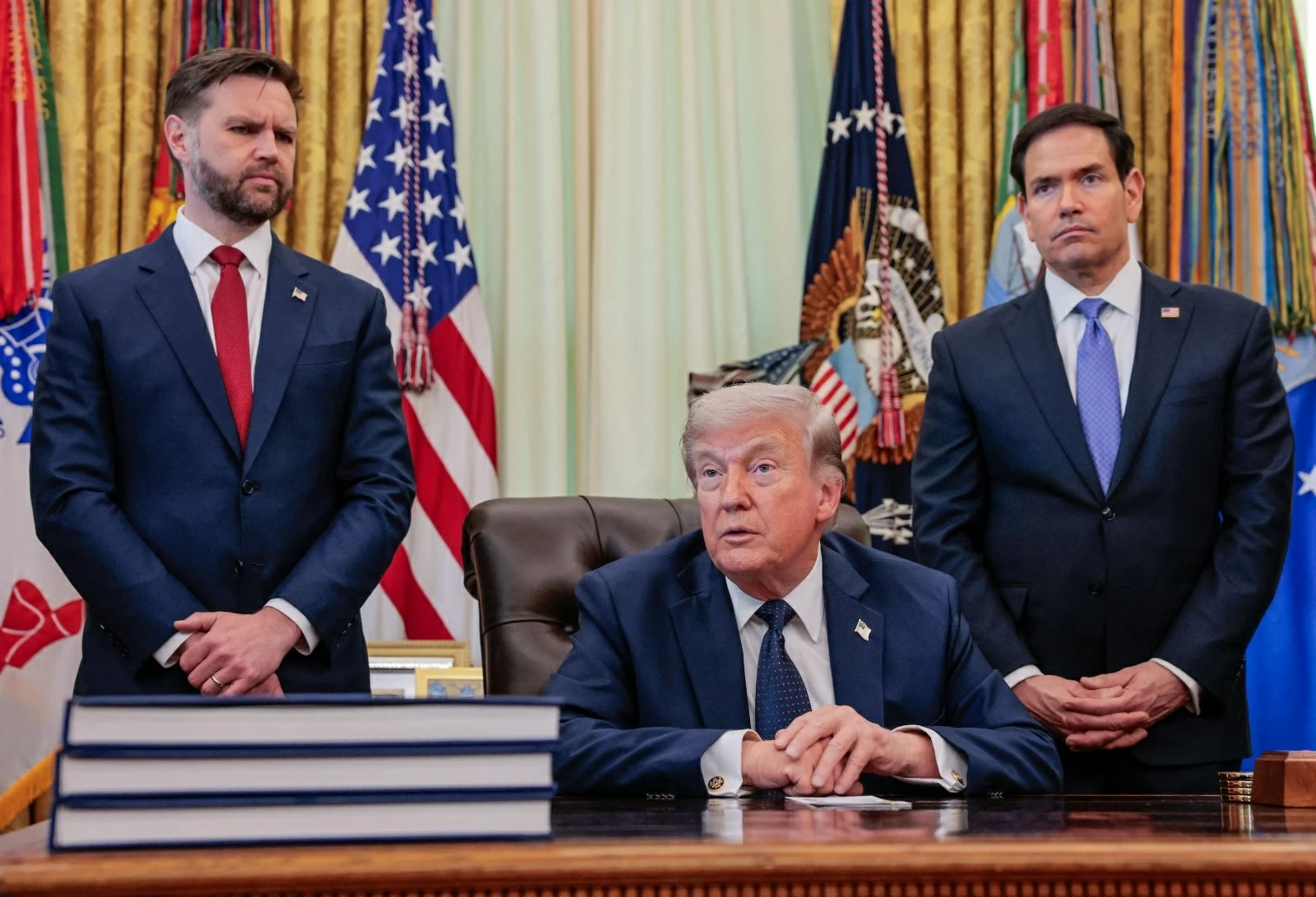
يواجه الرئيس الأمريكي دونالد ترمب أربعة خيارات متباينة لإنهاء الحرب مع إيران، تتراوح بين استئناف العمليات العسكرية بضربات واسعة أو محدودة، تكليف نائبه جي دي فانس بقيادة المفاوضات، وصولاً إلى الإبقاء على الوضع القائم والانسحاب التدريجي من المنطقة، وسط خلافات داخل إدارته بشأن جدوى مواصلة الصراع وكلفته السياسية والعسكرية.
خلافات بين فانس وبيت
وكشفت صحيفة «نيويورك تايمز»، برزت هذه الانقسامات بوضوح بعد الخلاف العلني بين فانس ووزير الحرب بيت هيجسيث بشأن استمرار الحرب، خصوصاً عقب الهزيمة التي مني بها الجمهوريون في انتخابات التجديد النصفي. وحمّل فانس الحرب مسؤولية الخسارة، معتبراً أن استمرارها قد يكلف الحزب خسارة مجلس الشيوخ لسنوات، فيما دافع هيجسيث عن مواصلة العمليات العسكرية، داعياً إلى القتال. وتزداد حسابات ترمب تعقيداً بعدما أقر بأن الحرب وارتفاع أسعار الوقود أسهما إلى حد كبير في الهزيمة الانتخابية، رغم تأكيده أنه كان سيتخذ قرار خوضها مجدداً.
ضربات واسعة أومحدودة
يتمثل الخيار الأول في تنفيذ حملة عسكرية مكثفة تستمر عدة أيام، تستهدف منشآت الطاقة والمواقع النووية وترسانة الصواريخ والطائرات المسيّرة الإيرانية. ويستند هذا السيناريو إلى حشد عسكري أمريكي كبير، يضم حاملتي طائرات مع توقع وصول ثالثة، وأكثر من 12 سفينة حربية، ونحو 50 ألف جندي، فضلاً عن مقاتلات وقاذفات بعيدة المدى. لكن مسؤولين أمريكيين لا يتوقعون أن تؤدي هذه الضربات إلى إسقاط النظام الإيراني، فيما تحذر التقديرات من رد إيراني قد يستهدف منشآت الطاقة في المنطقة ويرفع أسعار النفط عالمياً، فضلاً عن استنزاف مخزون الصواريخ الاعتراضية الأمريكية.
أما الخيار الثاني فيقوم على تنفيذ ضربات محدودة تركز على المنشآت العسكرية والنووية، مع تجنب استهداف قطاع الطاقة، لتقليل احتمالات الرد الإيراني على البنية التحتية لدول المنطقة. ويتيح هذا المسار لترمب إعلان تحقيق أهداف عسكرية والبدء في سحب القوات، لكنه لن يحسم ملف مضيق هرمز أو يحقق الأهداف الإستراتيجية المعلنة للحرب.
نائب ترمب يقود المفاوضات
فيما يتمثل الخيار الثالث في إسناد المفاوضات إلى نائب الرئيس جي دي فانس، الذي سبق أن تواصل مع مسؤولين إيرانيين، وعرض قيادة المحادثات للتوصل إلى اتفاق. وتتمحور أبرز نقاط الخلاف حول مصير المواد النووية الإيرانية وترتيب رفع العقوبات والإفراج عن الأموال المجمدة، إلى جانب القيود على الصواريخ والتفتيش النووي. وتخشى أطراف أمريكية أن تتوصل واشنطن إلى اتفاق لا تستطيع الجهات المتشددة في طهران الالتزام به، فيما تتمسك إيران بالاحتفاظ بموادها النووية حتى نهاية المفاوضات.
الحصار والانسحاب التدريجي
أما الخيار الرابع فيقوم على استمرار الحصار البحري والضغط الاقتصادي، مع ضمان الملاحة الدولية في مضيق هرمز، والتفاوض على اتفاق محدود لإعادة فتحه، ثم الانسحاب تدريجياً من المنطقة. ويمنح هذا المسار ترمب فرصة تجنب جولة عسكرية جديدة، لكنه يترك الملفات النووية والصاروخية دون حل، ويهدد بإطالة أمد الصراع دون جدول زمني واضح لنهايته. وترى الصحيفة أن المعضلة الأساسية تكمن في غياب توافق داخل الإدارة الأمريكية على الأهداف النهائية للحرب، فيما قد يدفع الضغط السياسي ترمب إلى التصعيد سعياً لتجنب الظهور بمظهر الخاسر، رغم المخاطر العسكرية والاقتصادية المترتبة على ذلك.
The American President Donald Trump faces four distinct options to end the war with Iran, ranging from resuming military operations with extensive or limited strikes, assigning his Vice President JD Vance to lead negotiations, to maintaining the status quo and gradually withdrawing from the region, amid disagreements within his administration regarding the feasibility of continuing the conflict and its political and military costs.
Disagreements between Vance and Hegseth
The New York Times revealed that these divisions became evident following the public disagreement between Vance and Defense Secretary Pete Hegseth regarding the continuation of the war, especially after the defeat suffered by Republicans in the midterm elections. Vance blamed the war for the loss, considering that its continuation could cost the party the Senate for years, while Hegseth defended the continuation of military operations, calling for fighting. Trump's calculations become more complicated after he acknowledged that the war and rising fuel prices significantly contributed to the electoral defeat, despite his insistence that he would have made the decision to engage in it again.
Extensive or Limited Strikes
The first option involves carrying out an intensive military campaign lasting several days, targeting energy facilities, nuclear sites, and Iran's missile and drone arsenal. This scenario is based on a large American military buildup, including two aircraft carriers with a third expected to arrive, more than 12 warships, and about 50,000 soldiers, in addition to long-range fighters and bombers. However, American officials do not expect these strikes to lead to the downfall of the Iranian regime, while estimates warn of an Iranian response that could target energy facilities in the region and raise global oil prices, as well as depleting American interceptor missile stocks.
The second option involves carrying out limited strikes focused on military and nuclear facilities, while avoiding targeting the energy sector to reduce the chances of an Iranian response to the infrastructure of regional countries. This path allows Trump to announce achieving military objectives and begin withdrawing troops, but it will not resolve the issue of the Strait of Hormuz or achieve the declared strategic goals of the war.
Trump's Vice President Leads Negotiations
The third option involves delegating negotiations to Vice President JD Vance, who has previously communicated with Iranian officials and offered to lead talks to reach an agreement. The main points of contention revolve around the fate of Iranian nuclear materials, the arrangement for lifting sanctions, the release of frozen funds, as well as restrictions on missiles and nuclear inspections. American parties fear that Washington may reach an agreement that hardliners in Tehran cannot adhere to, while Iran insists on retaining its nuclear materials until the end of negotiations.
Blockade and Gradual Withdrawal
The fourth option involves continuing the naval blockade and economic pressure, ensuring international navigation in the Strait of Hormuz, negotiating a limited agreement to reopen it, and then gradually withdrawing from the region. This path gives Trump the opportunity to avoid a new military round, but it leaves the nuclear and missile issues unresolved and threatens to prolong the conflict without a clear timeline for its end. The newspaper sees that the fundamental dilemma lies in the absence of consensus within the U.S. administration on the ultimate goals of the war, while political pressure may push Trump to escalate in an effort to avoid appearing as a loser, despite the military and economic risks involved.