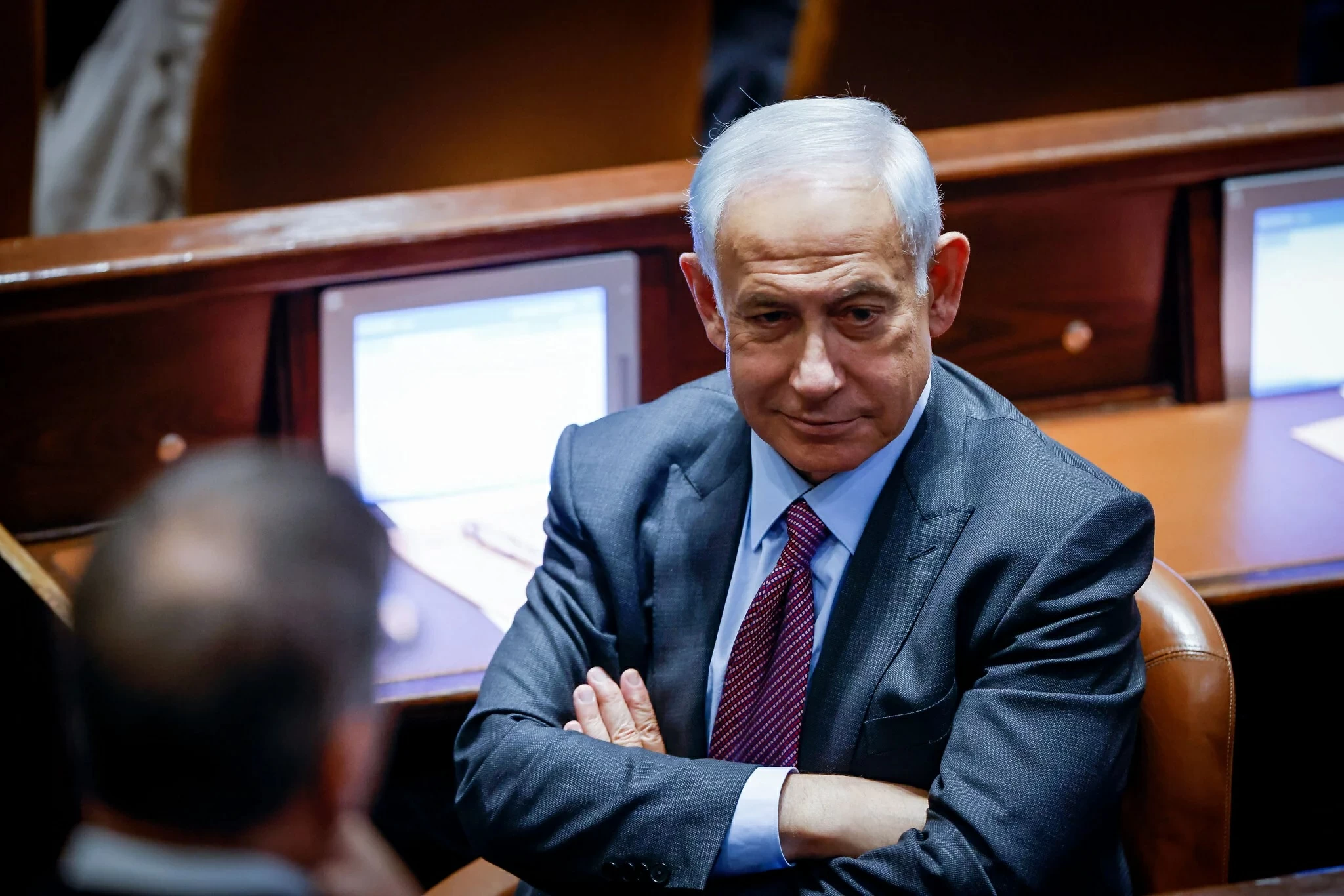
دعا رئيس الوزراء الإسرائيلي بنيامين نتنياهو إلى تشكيل حكومة وحدة وطنية، في ظل تعثر المفاوضات الائتلافية عقب الانتخابات الأخيرة، محذراً من ضغوط سياسية قد تدفع إسرائيل إلى تقديم تنازلات بشأن الملفات المتعلقة بإيران.
وقال نتنياهو، خلال كلمة أمام الكنيست عقب أداء أعضائه الجدد اليمين الدستورية، اليوم (الثلاثاء)، إن إسرائيل لا تزال تمتلك خططاً عسكرية تستهدف إيران، معتبراً أن إسقاط النظام الإيراني هو السبيل الوحيد لإنهاء التهديد الذي تمثله طهران، بحسب ما نقلته صحيفة «معاريف».
وحذر من أن إسرائيل قد تواجه خلال الفترة القادمة ضغوطاً للتوصل إلى اتفاق مع إيران، مضيفاً أن هناك محاولات لدفع بلاده إلى التراجع عما وصفها بالإنجازات التي حققتها في الضفة الغربية وغزة ولبنان.
وفي الشأن الداخلي، شدد نتنياهو على ضرورة تجاوز الخلافات السياسية وتشكيل حكومة وحدة وطنية، قائلاً إن الاعتبارات الأخرى ينبغي وضعها جانباً في المرحلة الراهنة.
وأثارت تصريحاته داخل الكنيست سجالاً بين عدد من النواب، خصوصاً بشأن الأحزاب العربية، فيما غادر رئيس حزب الديمقراطيين يائير غولان الجلسة احتجاجاً على كلمته. كما شهدت الجلسة تبادلاً للانتقادات بين نواب عرب ووزير الأمن القومي إيتمار بن غفير.
وتأتي دعوة نتنياهو في وقت تواجه فيه إسرائيل حالة من الجمود السياسي، بعدما أسفرت انتخابات 27 أكتوبر عن برلمان دون أغلبية واضحة. ووفقاً لوكالة «رويترز»، حصل معسكر نتنياهو على 53 مقعداً من أصل 120، مقابل 48 مقعداً للكتلة التي يقودها غادي آيزنكوت، فيما حصدت القائمتان العربيتان 19 مقعداً.
وكان الرئيس الإسرائيلي إسحاق هرتسوغ قد كلف آيزنكوت بتشكيل الحكومة، ما يضع المشهد السياسي أمام مفاوضات ائتلافية معقدة بشأن تركيبة الحكومة القادمة.
Israeli Prime Minister Benjamin Netanyahu has called for the formation of a national unity government, amid stalled coalition negotiations following the recent elections, warning of political pressures that could push Israel to make concessions regarding issues related to Iran.
Netanyahu stated during a speech before the Knesset after the new members took their oaths today (Tuesday) that Israel still possesses military plans targeting Iran, considering that the overthrow of the Iranian regime is the only way to end the threat posed by Tehran, according to the newspaper "Maariv."
He warned that Israel may face pressures in the coming period to reach an agreement with Iran, adding that there are attempts to push his country to retreat from what he described as the achievements made in the West Bank, Gaza, and Lebanon.
On the domestic front, Netanyahu emphasized the need to overcome political differences and form a national unity government, stating that other considerations should be set aside at this stage.
His remarks in the Knesset sparked a debate among several lawmakers, particularly regarding the Arab parties, while the leader of the Democratic Party, Yair Golan, left the session in protest against his speech. The session also witnessed a back-and-forth of criticisms between Arab lawmakers and National Security Minister Itamar Ben Gvir.
Netanyahu's call comes at a time when Israel is facing a state of political stagnation, after the October 27 elections resulted in a parliament without a clear majority. According to Reuters, Netanyahu's camp secured 53 seats out of 120, compared to 48 seats for the bloc led by Gadi Eisenkot, while the two Arab lists garnered 19 seats.
Israeli President Isaac Herzog has tasked Eisenkot with forming the government, placing the political scene in front of complex coalition negotiations regarding the composition of the upcoming government.