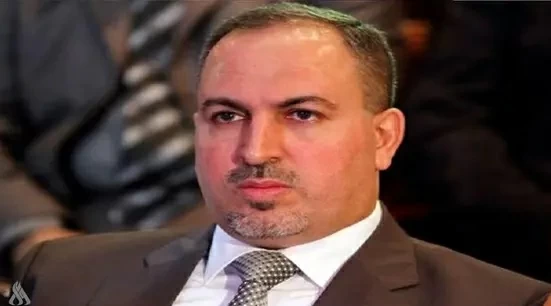
عاد السياسي العراقي السابق أحمد العلواني إلى واجهة المشهد العراقي، لكن هذه المرة من العاصمة اللبنانية بيروت، حيث أُعلن العثور على جثمانه داخل شقة سكنية، بعد أيام من اختفائه وانقطاع الاتصال به وبمرافقيه، في واقعة أثارت تساؤلات بشأن ظروف مقتله والجهة التي تقف وراء الحادثة.
وتأتي وفاة العلواني، الذي كان أحد أبرز الوجوه السياسية السنية المعارضة لحكومة رئيس الوزراء العراقي السابق نوري المالكي، بعد مسيرة سياسية وعشائرية مثيرة للجدل، بدأت من محافظة الأنبار، وارتبطت باحتجاجات عامي 2012 و2013، وانتهت باعتقاله وإصدار حكم بالإعدام بحقه، قبل الإفراج عنه في أبريل 2025، بعد نحو 12 عاماً من الاحتجاز.
وبحسب ما أوردته وسائل إعلام لبنانية، عُثر على جثمان العلواني داخل شقة في بيروت، (الثلاثاء)، فيما تحدثت تقارير عن مقتله خنقاً وفتح تحقيقات مع خمسة أشخاص من حزب الله. ولم تتضح بعد، بصورة رسمية، جميع ملابسات الوفاة أو تفاصيل المسؤولية الجنائية، فيما تتابع السلطات العراقية واللبنانية القضية.
من الأكاديمية إلى البرلمان
ولد أحمد سليمان العلواني في 27 أبريل 1969 بمدينة الرمادي، مركز محافظة الأنبار، وينتمي إلى عشيرة البو علوان، إحدى العشائر المعروفة في المحافظة، وحصل على درجات البكالوريوس والماجستير والدكتوراه في علوم الأرض من جامعة بغداد، قبل أن ينتقل إلى العمل السياسي ويصبح أحد أبرز ممثلي المكون السني في البرلمان العراقي.
وبرز العلواني نائباً عن الأنبار وعضواً في كتلة «العراقية»، التي كانت من أبرز القوى السياسية المعارضة لحكومة المالكي. ووصفته وكالة «رويترز» بأنه شخصية مؤثرة في الاحتجاجات المناهضة للحكومة، فيما أشارت وكالة «أسوشيتد برس» إلى دوره البارز في دعم الحراك الاحتجاجي وتنظيمه في المحافظة.
احتجاجات الأنبار.. بداية المواجهة
ارتبط اسم العلواني بالاحتجاجات الشعبية التي اندلعت في المناطق ذات الغالبية السنية أواخر عام 2012، واتسعت خلال عام 2013، رفضاً لسياسات حكومة المالكي، وسط اتهامات لها بتهميش المكون السني واستهداف قياداته السياسية والمجتمعية.
وكان العلواني من أبرز المتحدثين في ساحات الاعتصام بمدينة الرمادي، حيث انتقد سياسات الحكومة وإجراءاتها الأمنية، ودعا إلى الاستجابة لمطالب المحتجين، في مرحلة شهد فيها العراق تصاعداً حاداً في الانقسام السياسي والطائفي.
وتحولت الاحتجاجات إلى واحدة من أبرز محطات الصدام بين الحكومة المركزية والقوى السياسية السنية، خصوصاً مع تصاعد المواجهات الأمنية في الأنبار وتدهور الأوضاع في المحافظة.
مداهمة منزله ومقتل شقيقه
وفي 28 ديسمبر 2013، اقتحمت القوات الأمنية العراقية منزل العلواني في الرمادي واعتقلته، خلال عملية أمنية تحولت إلى اشتباكات مسلحة مع حراسه وأفراد من عشيرته، وأسفرت عن سقوط قتلى وجرحى، بينهم شقيقه وعدد من حراسه وجندي عراقي.
وأثار الاعتقال موجة اعتراضات سياسية واسعة، خصوصاً أن العملية جاءت في ذروة التوتر بين الحكومة والمحتجين في الأنبار. واعتبر رئيس البرلمان العراقي آنذاك أسامة النجيفي أن مداهمة منزل نائب واعتقاله بهذه الطريقة تمثل انتهاكاً للدستور وسابقة خطيرة، وفق ما نقلته «رويترز».
في المقابل، قالت السلطات العراقية إن الاعتقال جرى بموجب أمر قضائي على خلفية اتهامات تتعلق بالإرهاب والاشتباكات المسلحة، بينما رأت كتلته السياسية أن العملية تحمل أبعاداً سياسية مرتبطة بموقفه المعارض لحكومة المالكي.
وفي 23 نوفمبر 2014، أصدرت المحكمة الجنائية المركزية العراقية حكماً بالإعدام شنقاً بحق العلواني، بعد إدانته بقتل جنديين عراقيين، وهو الحكم الذي أثار ردود فعل سياسية وعشائرية، بالنظر إلى مكانته في الأنبار والظروف التي أحاطت باعتقاله ومحاكمته.
العلواني خلال سجنه
12 عاماً خلف القضبان.. ثم الإفراج
لم تتوقف القضية عند الحكم القضائي، إذ تابع الاتحاد البرلماني الدولي ملف العلواني لسنوات، وأبدى مخاوف بشأن ظروف اعتقاله ومحاكمته، بما في ذلك ما أثاره من انتهاكات لحصانته البرلمانية، واحتجازه بمعزل عن العالم الخارجي ومزاعم تعرضه للتعذيب.
وأوفد الاتحاد بعثة إلى بغداد في أغسطس 2023، التقت مسؤولين عراقيين والعلواني داخل محبسه، إلى جانب أفراد من أسرته وممثليه القانونيين، في محاولة لمعالجة القضية والحيلولة دون تنفيذ حكم الإعدام.
وبعد أكثر من عقد خلف القضبان، أعلنت وكالة الأنباء الوطنية العراقية «نينا»، في 20 أبريل 2025، الإفراج عنه بموجب قانون العفو العام. وأكد الاتحاد البرلماني الدولي أن الإفراج تم في 23 أبريل من العام نفسه، مرحباً بإنهاء احتجازه الذي استمر نحو 12 عاماً.
وجاء الإفراج بعد سحب عائلة أحد ضحايا اشتباكات مداهمة منزله عام 2013 شكواها وقبولها تعويضاً مالياً، الأمر الذي أتاح له الاستفادة من قانون العفو العام، وفق ما أورده الاتحاد البرلماني الدولي.
اختفاء غامض ونهاية في بيروت
وبعد نحو عام ونصف العام من الإفراج عنه، عاد العلواني إلى دائرة الأحداث في نوفمبر 2026، إثر اختفائه في لبنان في ظروف غامضة، بعدما انقطع الاتصال به وأُغلقت هواتفه، وفق معلومات تلقتها السفارة العراقية في بيروت من عائلته.
وأفادت مصادر بأن أفراداً من مرافقيه فقدوا الاتصال به أيضاً، ما دفع أسرته إلى إبلاغ السفارة العراقية ومطالبتها بمتابعة مصيره. وفيما ذكر مصدر لبناني أن العلواني دخل الأراضي اللبنانية عبر مطار بيروت في 5 نوفمبر، لم تكن السلطات القضائية اللبنانية قد تلقت، وفق المصدر، بلاغاً رسمياً من السفارة العراقية بشأن اختفائه في ذلك الوقت.
من جهته، أكد مصدر أمني عراقي استمرار التحريات والتنسيق مع السلطات اللبنانية لكشف ملابسات اختفائه، مشيراً إلى أن دوافع الحادثة ظلت مجهولة.
لكن الغموض لم يستمر طويلاً، إذ أعلنت السلطات اللبنانية، (الثلاثاء)، العثور على جثمانه داخل شقة في بيروت، لتتحول قضية اختفائه إلى تحقيق جنائي في ظروف وفاته. وتحدثت وسائل إعلام لبنانية عن مقتله خنقاً، وعن التحقيق مع خمسة أشخاص من حزب الله، في انتظار ما تسفر عنه التحقيقات الرسمية بشأن تفاصيل الجريمة والجهات المتورطة فيها.
وبين اعتقاله في ذروة احتجاجات الأنبار، وحكم الإعدام الذي صدر بحقه، و12 عاماً من الاحتجاز، ثم الإفراج عنه واختفائه في بيروت، تطوى صفحة مثيرة من حياة سياسي عراقي ظل اسمه مرتبطاً بأحد أكثر المراحل اضطراباً في تاريخ العراق الحديث، فيما تبقى ملابسات مقتله والجهة التي تقف وراءه رهناً بنتائج التحقيقات اللبنانية.
The former Iraqi politician Ahmed al-Alwani has returned to the forefront of the Iraqi scene, but this time from the Lebanese capital, Beirut, where it was announced that his body was found inside an apartment, days after he disappeared and lost contact with him and his companions, in an incident that raised questions about the circumstances of his death and the party behind the incident.
Al-Alwani's death, who was one of the most prominent Sunni political figures opposing the government of former Prime Minister Nouri al-Maliki, comes after a controversial political and tribal career that began in Anbar province, linked to the protests of 2012 and 2013, and ended with his arrest and a death sentence issued against him, before being released in April 2025, after nearly 12 years of detention.
According to Lebanese media reports, al-Alwani's body was found inside an apartment in Beirut on Tuesday, while reports spoke of his death by strangulation and investigations being opened with five individuals from Hezbollah. The full circumstances of his death or details of criminal responsibility have not yet been officially clarified, while Iraqi and Lebanese authorities are following up on the case.
From Academia to Parliament
Ahmed Suleiman al-Alwani was born on April 27, 1969, in the city of Ramadi, the center of Anbar province, and belongs to the Albu Alwan tribe, one of the well-known tribes in the province. He obtained bachelor's, master's, and doctoral degrees in Earth Sciences from the University of Baghdad before moving into politics and becoming one of the most prominent representatives of the Sunni component in the Iraqi parliament.
Al-Alwani emerged as a deputy for Anbar and a member of the "Iraqi" bloc, which was one of the most prominent political forces opposing Maliki's government. Reuters described him as an influential figure in the anti-government protests, while the Associated Press highlighted his prominent role in supporting and organizing the protest movement in the province.
Anbar Protests: The Beginning of Confrontation
Al-Alwani's name became associated with the popular protests that erupted in predominantly Sunni areas in late 2012 and expanded throughout 2013, in rejection of Maliki's government policies, amid accusations of marginalizing the Sunni component and targeting its political and community leaders.
He was one of the most prominent speakers in the protest squares in Ramadi, where he criticized the government's policies and security measures, and called for responding to the protesters' demands, during a period that saw a sharp escalation in political and sectarian division in Iraq.
The protests turned into one of the most significant points of confrontation between the central government and Sunni political forces, especially with the escalation of security confrontations in Anbar and the deterioration of conditions in the province.
Raid on His Home and the Death of His Brother
On December 28, 2013, Iraqi security forces stormed al-Alwani's home in Ramadi and arrested him during a security operation that turned into armed clashes with his guards and members of his tribe, resulting in casualties and injuries, including his brother, several of his guards, and an Iraqi soldier.
The arrest sparked a wave of widespread political objections, especially since the operation came at the height of tension between the government and protesters in Anbar. The then Speaker of the Iraqi Parliament, Osama al-Nujaifi, considered that the raid on a deputy's home and his arrest in this manner represented a violation of the constitution and a dangerous precedent, according to what was reported by Reuters.
In contrast, Iraqi authorities stated that the arrest was carried out under a judicial order based on terrorism charges and armed clashes, while his political bloc viewed the operation as having political dimensions related to his opposition to Maliki's government.
On November 23, 2014, the Iraqi Central Criminal Court issued a death sentence by hanging against al-Alwani after convicting him of killing two Iraqi soldiers, a ruling that provoked political and tribal reactions, given his status in Anbar and the circumstances surrounding his arrest and trial.
العلواني خلال سجنه
12 Years Behind Bars... Then Release
The case did not stop at the judicial ruling, as the Inter-Parliamentary Union followed al-Alwani's case for years, expressing concerns about the conditions of his detention and trial, including violations of his parliamentary immunity, his detention in isolation from the outside world, and allegations of torture.
The Union sent a delegation to Baghdad in August 2023, which met with Iraqi officials and al-Alwani inside his prison, as well as members of his family and his legal representatives, in an attempt to address the case and prevent the execution of the death sentence.
After more than a decade behind bars, the Iraqi National News Agency "NINA" announced on April 20, 2025, his release under the general amnesty law. The Inter-Parliamentary Union confirmed that the release took place on April 23 of the same year, welcoming the end of his detention that lasted nearly 12 years.
The release came after the family of one of the victims of the clashes during the raid on his home in 2013 withdrew their complaint and accepted financial compensation, which allowed him to benefit from the general amnesty law, according to what the Inter-Parliamentary Union reported.
Mysterious Disappearance and an End in Beirut
About a year and a half after his release, al-Alwani returned to the center of events in November 2026, following his mysterious disappearance in Lebanon, after losing contact with him and his phones being turned off, according to information received by the Iraqi embassy in Beirut from his family.
Sources reported that members of his entourage also lost contact with him, prompting his family to notify the Iraqi embassy and request that it follow up on his fate. While a Lebanese source mentioned that al-Alwani entered Lebanese territory via Beirut Airport on November 5, the Lebanese judicial authorities had not yet received, according to the source, an official report from the Iraqi embassy regarding his disappearance at that time.
For its part, an Iraqi security source confirmed that investigations and coordination with Lebanese authorities are ongoing to uncover the circumstances of his disappearance, noting that the motives behind the incident remain unknown.
However, the mystery did not last long, as Lebanese authorities announced on Tuesday that his body was found inside an apartment in Beirut, turning his disappearance case into a criminal investigation into the circumstances of his death. Lebanese media reported that he was killed by strangulation and that investigations are underway with five individuals from Hezbollah, awaiting the results of official investigations regarding the details of the crime and the parties involved.
Between his arrest during the height of the Anbar protests, the death sentence issued against him, and 12 years of detention, followed by his release and disappearance in Beirut, a dramatic chapter of the life of an Iraqi politician who remained associated with one of the most tumultuous periods in modern Iraqi history comes to a close, while the circumstances of his murder and the party behind it remain contingent on the results of the Lebanese investigations.