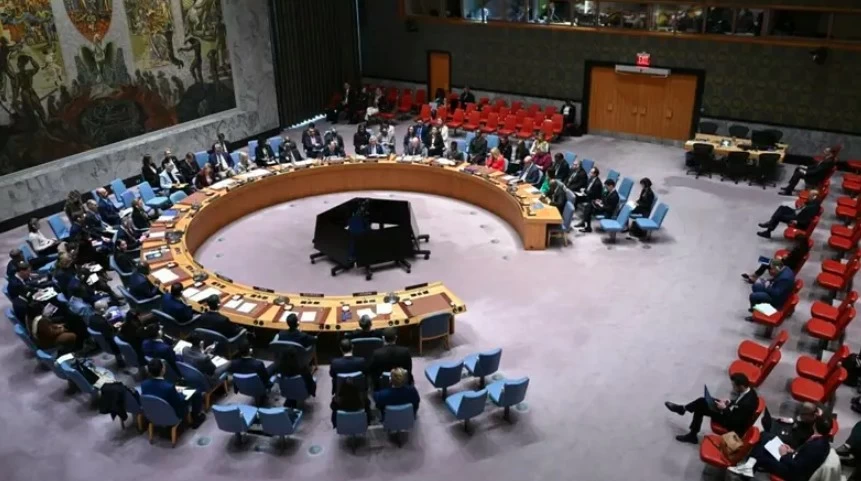
أدان مجلس الأمن الدولي بشدة التصعيد العسكري الذي تنفذه مليشيا الحوثي في اليمن، وهجماتها البحرية وعبر الحدود ضد السعودية، وتهديداتها لسفن النقل التجاري، مطالباً المليشيا بوقف هجماتها وتصعيدها العسكري فوراً ودون شروط.
واعتمد المجلس بالإجماع، أمس (الخميس)، القرار رقم 2837، الذي تقدمت به المملكة المتحدة، والقاضي بتمديد نظام العقوبات المتعلقة باليمن حتى 14 نوفمبر 2027، بما يشمل تجميد الأصول المالية وحظر السفر على الأفراد والكيانات المدرجة ضمن قائمة العقوبات.
وشدد القرار على ضرورة وقف الهجمات التي تستهدف المدنيين والبنية التحتية المدنية، بما في ذلك المطارات التجارية وخطوط الملاحة البحرية الدولية، مؤكداً أهمية حماية الملاحة والتجارة الدولية من التهديدات الأمنية.
كما قرر مجلس الأمن تمديد ولاية فريق الخبراء المعني باليمن، التابع للجنة العقوبات المنشأة بموجب القرار 2140 لعام 2014، حتى 15 ديسمبر 2027، مع الدعوة إلى زيادة عدد أعضائه إلى ستة خبراء، وإضافة اختصاصات تتعلق بمراقبة الأمن البحري ورصد التهديدات المرتبطة به.
ودعا المجلس الدول الأعضاء إلى تكثيف جهود مكافحة تهريب الأسلحة ومكوناتها عبر الطرق البرية والبحرية، وتعزيز تبادل المعلومات لضمان تنفيذ حظر توريد الأسلحة المفروض على الحوثيين.
من جانبها، رحبت بريطانيا باعتماد القرار، مؤكدة تضامنها مع المملكة العربية السعودية والحكومة اليمنية في مواجهة الهجمات الحوثية، ومجددة تأكيد حقهما في الدفاع عن أمنهما وسيادتهما وفقاً للقانون الدولي.
وقالت الممثلة الدائمة للمملكة المتحدة لدى الأمم المتحدة، سارة ماكنتوش، إن اعتماد القرار بالإجماع يعكس تصميم مجلس الأمن على اتخاذ تدابير حاسمة إزاء ما وصفته بـ«الهجمات المتهورة» التي يشنها الحوثيون داخل اليمن وضد السعودية وفي أنحاء المنطقة.
وأضافت أن القرار يعزز تنفيذ حظر الأسلحة ويضمن مواكبة نظام العقوبات للتهديدات المتطورة التي تمثلها المليشيا الحوثية، بما في ذلك اعتمادها على مكونات ذات استخدام مزدوج ومواد كيميائية أولية لدعم قدراتها على تصنيع الأسلحة محلياً وتنفيذ هجمات تهدد استقرار المنطقة.
The United Nations Security Council strongly condemned the military escalation carried out by the Houthi group in Yemen, its maritime attacks, and cross-border assaults against Saudi Arabia, as well as its threats to commercial shipping, demanding that the group immediately cease its attacks and military escalation without conditions.
The Council unanimously adopted, yesterday (Thursday), resolution number 2837, proposed by the United Kingdom, which extends the sanctions regime related to Yemen until November 14, 2027, including the freezing of financial assets and travel bans on individuals and entities listed in the sanctions list.
The resolution emphasized the necessity of halting attacks targeting civilians and civilian infrastructure, including commercial airports and international maritime shipping routes, reaffirming the importance of protecting navigation and international trade from security threats.
The Security Council also decided to extend the mandate of the Panel of Experts on Yemen, established under the sanctions committee pursuant to resolution 2140 of 2014, until December 15, 2027, calling for an increase in its membership to six experts and adding responsibilities related to monitoring maritime security and assessing associated threats.
The Council urged member states to intensify efforts to combat the smuggling of weapons and their components via land and sea routes, and to enhance information sharing to ensure the enforcement of the arms embargo imposed on the Houthis.
For its part, the United Kingdom welcomed the adoption of the resolution, reaffirming its solidarity with the Kingdom of Saudi Arabia and the Yemeni government in facing Houthi attacks, and reiterating their right to defend their security and sovereignty in accordance with international law.
The United Kingdom's Permanent Representative to the United Nations, Sarah MacIntosh, stated that the unanimous adoption of the resolution reflects the Security Council's determination to take decisive measures regarding what she described as the "reckless attacks" carried out by the Houthis within Yemen and against Saudi Arabia and throughout the region.
She added that the resolution strengthens the enforcement of the arms embargo and ensures that the sanctions regime keeps pace with the evolving threats posed by the group, including its reliance on dual-use components and precursor chemicals to support its capabilities for locally manufacturing weapons and carrying out attacks that threaten the stability of the region.