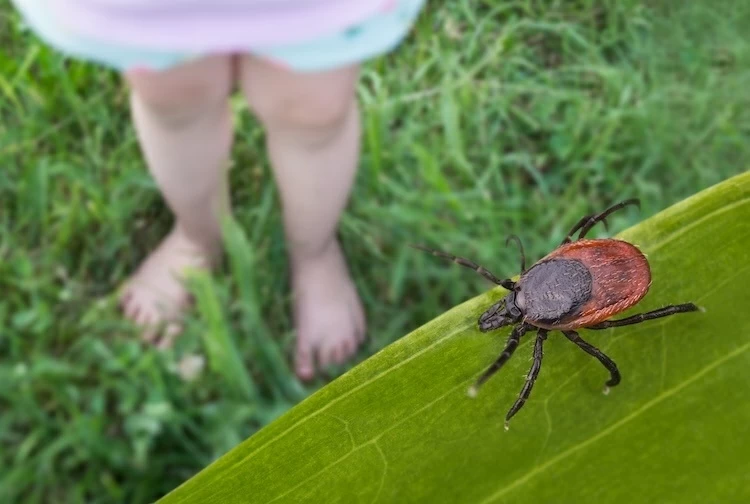
رصد فريق من العلماء في الصين ظهور فيروس جديد ينقله القرَّاد، قادر على إحداث أعراض تشبه الإنفلونزا، إلى جانب علامات على التهاب الكبد ونقص الصفائح الدموية. الفيروس، الذي أُطلق عليه اسم (ALTNV)، ينتمي إلى مجموعة الأورثونايروفيروسات، وتم التعرف عليه خلال متابعة طويلة لمرضى ظهرت عليهم حمى شديدة واضطرابات غير معتادة منذ عام 2009.
وتشير الدراسة إلى أن الفيروس الجديد يختلف وراثيًا عن فيروس (دابي باندافيروس) المعروف بتسببه في متلازمة الحمى الشديدة مع نقص الصفيحات، رغم أن كليهما ينتقل عبر القراد نفسه. وبعد تحليل آلاف العينات، اكتشف الباحثون وجود ALTNV لدى نحو 10% من المرضى الذين تعرضوا للدغات القراد، فيما كانت الحالات المشتركة بين الفيروسين أكثر عرضة لمضاعفات تنفسية وكلوية، وسُجلت وفيات بين المصابين بالعدوى المزدوجة.
وتوضح الدكتورة شارون ناخمان، رئيسة قسم الأمراض المعدية للأطفال في نيويورك، أن نقص الصفائح الدموية قد يؤدي إلى نزيف خطير، وأن بعض الحالات المرتبطة بفيروسات القراد سجلت معدلات وفاة مرتفعة، ما دفع الباحثين إلى مواصلة التحقيق في مسببات المرض. وتشير إلى أن أعراض ALTNV قد تبدأ بشكل يشبه الإنفلونزا، مع الحمى وآلام العضلات والتعب، وأحيانًا مشكلات تنفسية.
ورغم أن الفيروس الجديد قد يسبب انخفاضًا في الصفائح، فإن الدراسة لم تربطه وحده بحالات النزيف الشديد أو الوفيات، إذ ظهرت النتائج الخطرة لدى المرضى المصابين أيضًا بفيروس DBV. وتؤكد ناخمان أن التشخيص الدقيق ضروري، لأن مضادات الفيروسات المتاحة للإنفلونزا لا تنفع مع معظم الفيروسات المنقولة بالقراد، ما يجعل العلاج مقتصرًا على الرعاية الداعمة وتجنب الأدوية غير المناسبة، خصوصًا المضادات الحيوية.
وتوصي الجهات الطبية باتباع إجراءات وقائية لتجنب لدغات القراد، مثل ارتداء ملابس طويلة، واستخدام طاردات الحشرات، وفحص الجلد بعد التنزه أو المشي في المناطق المفتوحة، لأن بقاء القراد على الجلد لفترة أطول يزيد احتمالات انتقال العدوى.
A team of scientists in China has observed the emergence of a new tick-borne virus capable of causing flu-like symptoms, along with signs of hepatitis and thrombocytopenia. The virus, named (ALTNV), belongs to the orthonairovirus group and was identified during a long-term monitoring of patients who exhibited severe fever and unusual disorders since 2009.
The study indicates that the new virus is genetically distinct from the known (Dabie bandavirus), which is known to cause severe fever with thrombocytopenia syndrome, although both are transmitted by the same tick. After analyzing thousands of samples, researchers found ALTNV in about 10% of patients who had been bitten by ticks, while cases co-infected with both viruses were more prone to respiratory and kidney complications, with fatalities recorded among those with dual infections.
Dr. Sharon Nachman, head of the pediatric infectious diseases department in New York, explains that thrombocytopenia can lead to severe bleeding, and that some cases associated with tick-borne viruses have recorded high mortality rates, prompting researchers to continue investigating the causes of the disease. She notes that ALTNV symptoms may initially resemble flu, with fever, muscle aches, and fatigue, and sometimes respiratory issues.
Although the new virus may cause a decrease in platelets, the study did not link it alone to severe bleeding cases or fatalities, as dangerous outcomes were also observed in patients infected with the DBV virus. Nachman emphasizes that accurate diagnosis is essential, as antiviral medications available for influenza are ineffective against most tick-borne viruses, making treatment limited to supportive care and avoiding inappropriate medications, especially antibiotics.
Medical authorities recommend following preventive measures to avoid tick bites, such as wearing long clothing, using insect repellents, and checking the skin after hiking or walking in open areas, as prolonged contact with ticks increases the likelihood of infection transmission.