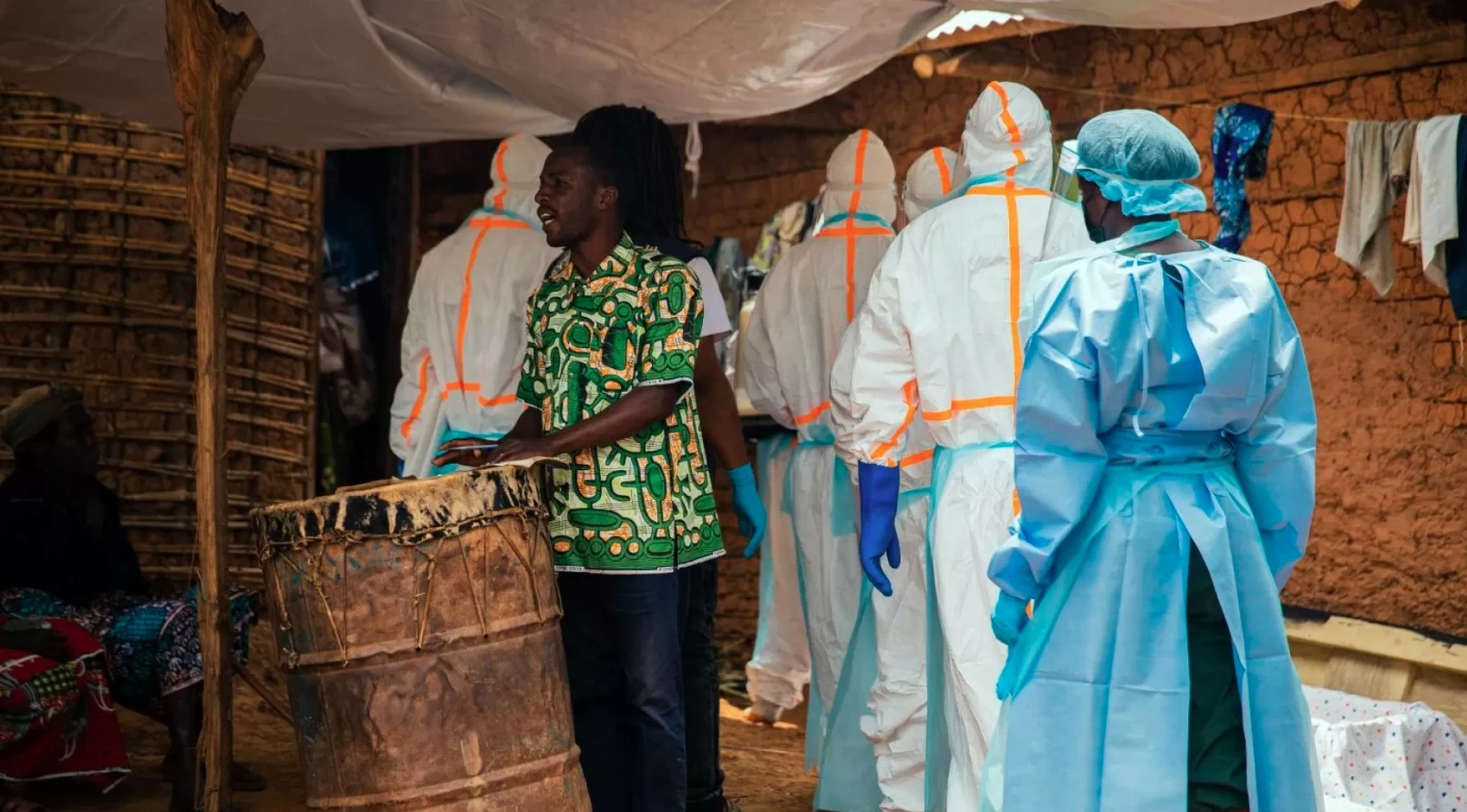
اتسع نطاق تفشي فايروس إيبولا في الكونغو الديمقراطية ليصل إلى منطقتين صحيتين جديدتين، ليرتفع إجمالي المناطق المتضررة إلى 63 منطقة صحية موزعة على سبع مقاطعات، بحسب منظمة الصحة العالمية.
وأوضحت المنظمة أن الإصابات الجديدة سُجلت في منطقة بولو بمقاطعة جنوب أوبانغي، الواقعة قرب الحدود مع جمهورية أفريقيا الوسطى، ومنطقة دونغو بمقاطعة أوت أويلي، المحاذية لجنوب السودان.
7890 إصابة و3799 وفاة
وبحسب أحدث بيانات منظمة الصحة العالمية، سجلت الكونغو الديمقراطية حتى 23 سبتمبر الجاري 7890 إصابة مؤكدة بالفايروس، بينها 3799 حالة وفاة، ما يشير إلى استمرار ارتفاع معدل الوفيات بين المصابين.
وأكد المدير العام لمنظمة الصحة العالمية تيدروس أدهانوم غيبريسوس أن النزاعات المسلحة وحركة نزوح السكان تعرقل جهود الفرق الصحية للوصول إلى المجتمعات المتضررة وتتبع المخالطين للأشخاص المصابين.
وأشار إلى أن صعوبة الوصول إلى بعض المناطق، إلى جانب النزوح والاكتظاظ السكاني، تزيد مخاطر انتقال العدوى، رغم تسجيل تحسن في عمليات تتبع المخالطين والدفن الآمن والتواصل مع المجتمعات المحلية.
تراجع عام.. وانتقال غير متساوٍ
وقالت منظمة الصحة العالمية إن عدد الإصابات يشهد تراجعاً بصورة عامة، إلا أن انتقال الفايروس لا يزال متفاوتاً بين المناطق المتضررة، ما يبقي الحاجة قائمة لتعزيز عمليات المراقبة والاستجابة الصحية.
وتواجه جهود احتواء التفشي تحدياً إضافياً بسبب عدم وجود لقاح أو علاج معتمد حتى الآن لسلالة بونديبوغيو المسببة للتفشي الحالي، فيما تعمل المنظمة على تسريع التجارب السريرية للقاحات والعلاجات المحتملة.
وتعد مقاطعة إيتوري بؤرة التفشي الرئيسية، إذ سجلت أكثر من 6 آلاف إصابة مؤكدة منذ بداية التفشي، بينما أصبحت مقاطعة شمال كيفو ثاني أكثر المناطق تضرراً.
The outbreak of the Ebola virus in the Democratic Republic of the Congo has expanded to two new health zones, raising the total number of affected areas to 63 health zones distributed across seven provinces, according to the World Health Organization.
The organization clarified that new infections were recorded in the Bolo area of the South Ubangi province, located near the border with the Central African Republic, and in the Dongu area of the Haut-Uele province, adjacent to South Sudan.
7890 Cases and 3799 Deaths
According to the latest data from the World Health Organization, the Democratic Republic of the Congo has recorded 7890 confirmed cases of the virus as of September 23, including 3799 deaths, indicating a continued rise in the mortality rate among the infected.
The Director-General of the World Health Organization, Tedros Adhanom Ghebreyesus, confirmed that armed conflicts and population displacement hinder the efforts of health teams to reach affected communities and trace contacts of infected individuals.
He pointed out that the difficulty of accessing some areas, along with displacement and population density, increases the risk of transmission, despite improvements in contact tracing, safe burials, and communication with local communities.
Overall Decline... and Uneven Transmission
The World Health Organization stated that the number of infections is generally declining; however, the transmission of the virus remains uneven among the affected areas, keeping the need to enhance monitoring and health response operations ongoing.
Efforts to contain the outbreak face an additional challenge due to the lack of an approved vaccine or treatment for the current Bundibugyo strain causing the outbreak, while the organization is working to expedite clinical trials for potential vaccines and treatments.
The Ituri province is the main outbreak hotspot, having recorded more than 6,000 confirmed cases since the beginning of the outbreak, while North Kivu province has become the second most affected area.