تحت واجهة بريئة لبيع الهواتف في قلب إسطنبول، كانت تدار واحدة من أخطر إمبراطوريات الجريمة المنظمة العابرة للحدود. فبين زحام المتاجر وتجارة الهواتف، اختبأت شبكة دولية متورطة في غسل الأموال والاتجار بالبشر ومآسي «قارب الموت» الشهيرة، قبل أن تسقط في قبضة وكالة التحقيقات الفيدرالية الباكستانية بعملية معقدة امتدت عبر خمس دول.
لم يكن «متجر الواسي للهواتف المحمولة» في تركيا سوى غطاء خادع لزعيم العصابة عاصم علي. فبينما كان الزبائن يترددون لشراء الهواتف، تحول المحل إلى غرفة عمليات مالية لجمع أموال «الحوالات غير الرسمية»، وتمويل رحلات الموت عبر شبكات التهريب البرية والبحرية التي تستهدف المهاجرين الباحثين عن وهم اللجوء في أوروبا.
وامتدت خيوط هذه الشبكة الإجرامية لتشمل خمس دول رئيسية: باكستان، وتركيا، واليونان، وألمانيا، وإيطاليا، لتتورط بشكل مباشر في كوارث إنسانية أدمت القلوب، أبرزها مأساة انقلاب قارب المهاجرين في اليونان عام 2023 والتي ابتلعت عشرات الضحايا.
بدأت لعبة الكراسي الموسيقية تسقط تباعاً عندما رصدت السلطات اسم زعيم العصابة «عاصم علي» على قائمة الهوية الوطنية المؤقتة، قبل مباغتته بالاعتقال فور هبوط طائرته في مطار لاهور قادماً من تركيا في 25 سبتمبر الماضي. هذا السقوط المدوّي فتح الباب أمام وكالة التحقيقات الفيدرالية لفك شيفرة الشبكة كاملة.
وبناءً على تقارير استخباراتية دقيقة وردت من الملحق القانوني للوكالة في العاصمة اليونانية أثينا، تحركت الأجهزة الأمنية الباكستانية لملاحقة الرؤوس المدبرة، وعلى رأسهم المطلوب أمنياً نادر تشوهان (المدرج على قائمة أخطر المطلوبين في وزير آباد)، إلى جانب شركائه البارزين مثل «مستر ساجد».
وسارعت دائرة غوجرات في وكالة التحقيقات الفيدرالية الباكستانية لتسجيل قضايا جناية رسمية ضد الأعضاء العشرة للشبكة، وهم: عاصم علي، ومستر ساجد، وأصغر شاه، ونادر تشودري (تشوهان)، وعاطف آصف، ومحمد قاسم، وعلي حسن، ووسيم طهكار، وعلي شاه، وباسط، وجميعهم ينحدرون من معاقل شبكات التهريب الشهيرة في باكستان (غوجرات، مندي بهاء الدين، ووزير آباد).
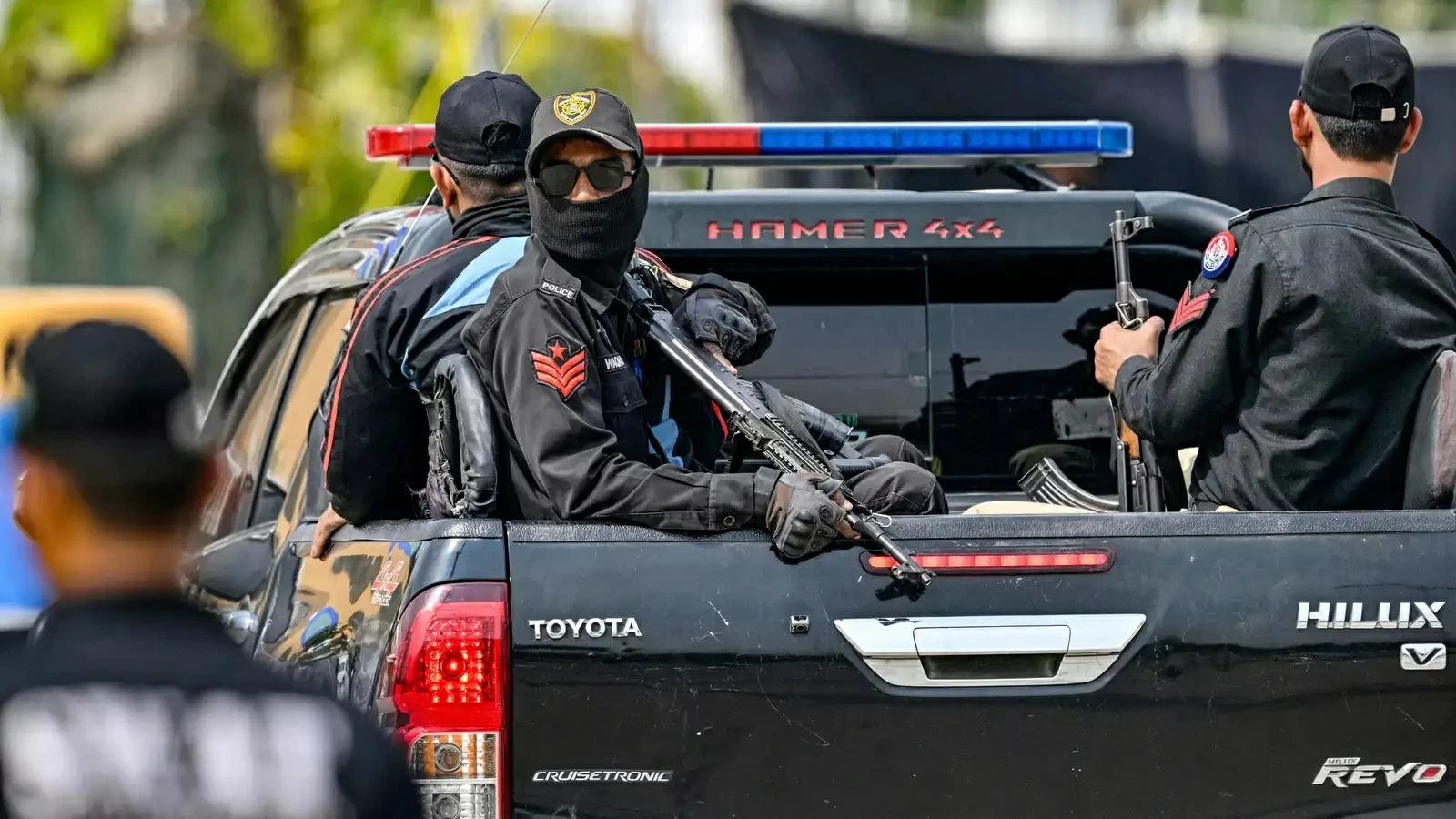
وفي تعليق رسمي على هذه العملية الأمنية، وصف مدير وكالة التحقيقات الفيدرالية الباكستانية محمد بن أشرف، تفكيك هذه الشبكة المالية العابرة للحدود بأنه ضربة قاصمة ونقطة تحول كبرى في الحرب المستمرة ضد عصابات الموت والاتجار بالبشر وغسل الأموال.
Beneath an innocent facade of a mobile phone shop in the heart of Istanbul, one of the most dangerous transnational organized crime empires was being run. Amidst the hustle and bustle of stores and mobile phone trade, an international network involved in money laundering, human trafficking, and the infamous "death boat" tragedies was hiding, before it fell into the hands of the Pakistani Federal Investigation Agency in a complex operation that spanned five countries.
The "Al-Wasi Mobile Phone Store" in Turkey was nothing more than a deceptive cover for the gang leader, Asim Ali. While customers frequented the shop to buy phones, the store transformed into a financial operations room for collecting money from "informal remittances" and funding death trips through land and sea smuggling networks targeting migrants seeking the illusion of asylum in Europe.
The threads of this criminal network extended to include five main countries: Pakistan, Turkey, Greece, Germany, and Italy, directly involved in humanitarian disasters that broke hearts, most notably the tragedy of the migrant boat capsizing in Greece in 2023, which claimed dozens of victims.
The game of musical chairs began to fall one by one when authorities spotted the gang leader "Asim Ali" on the temporary national identity list, before surprising him with an arrest as soon as his plane landed at Lahore Airport coming from Turkey on September 25th. This resounding downfall opened the door for the Federal Investigation Agency to decode the entire network.
Based on accurate intelligence reports received from the agency's legal attaché in the Greek capital, Athens, Pakistani security forces moved to pursue the masterminds, led by the wanted criminal Nadir Chauhan (listed among the most wanted in Wazirabad), along with his prominent partners such as "Mr. Sajid."
The Gujrat Division of the Pakistani Federal Investigation Agency quickly registered formal felony cases against the ten members of the network, namely: Asim Ali, Mr. Sajid, Asghar Shah, Nadir Chaudhry (Chauhan), Atif Asif, Muhammad Qasim, Ali Hassan, Waseem Tahkar, Ali Shah, and Basit, all of whom hail from the strongholds of famous smuggling networks in Pakistan (Gujrat, Mandi Bahauddin, and Wazirabad).
In an official comment on this security operation, the Director of the Pakistani Federal Investigation Agency, Muhammad bin Ashraf, described the dismantling of this transnational financial network as a crushing blow and a major turning point in the ongoing war against death gangs, human trafficking, and money laundering.