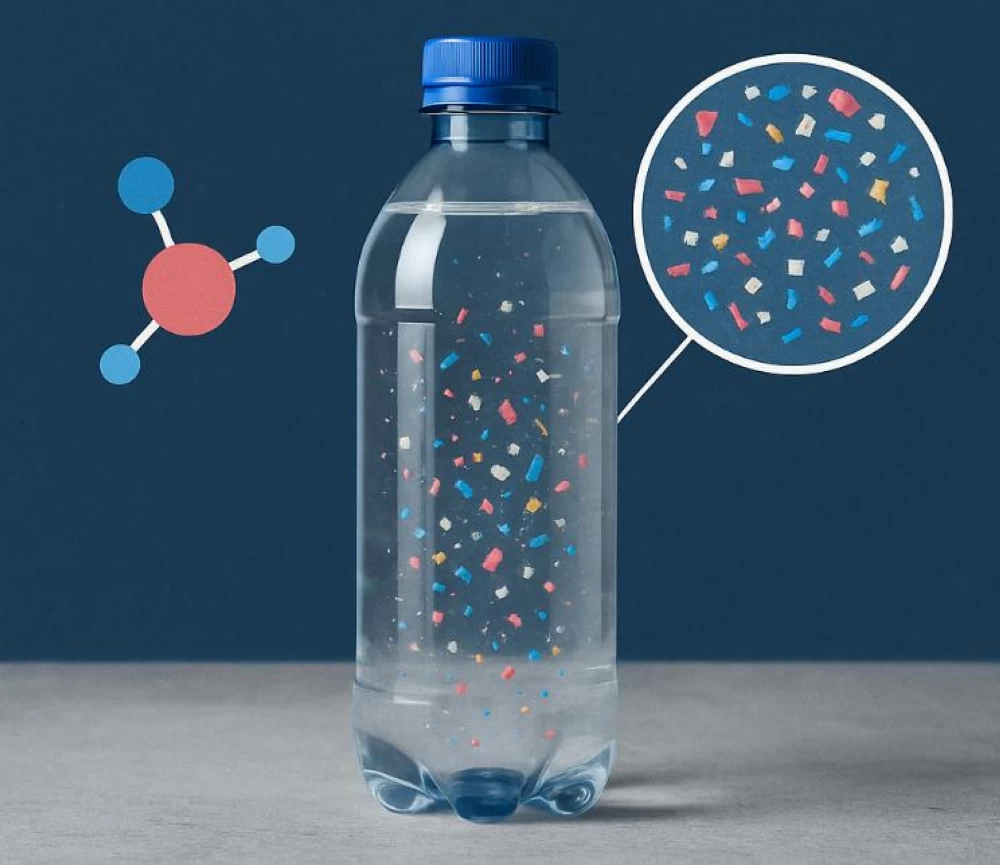
كشفت دراسة حديثة نُشرت في دورية «نيتشر» العلمية أن جزيئات البلاستيك الدقيقة تطلق عند ملامستها الماء مواد كيميائية شديدة التفاعل، قد تسهم في الإصابة بأمراض القلب والسرطان واضطرابات عصبية مثل الزهايمر، في نتائج تتحدى الاعتقاد السائد منذ عقود بأن البلاستيك مادةً مستقرةً كيميائياً.
وأجرى الدراسة باحثون في جامعة كولومبيا الأمريكية، وتوصلوا إلى أن البلاستيك الجديد والنقي يمكن أن ينتج مواد تُعرف باسم «أنواع الأكسجين التفاعلية» (ROS) بمجرد ملامسته الماء، دون الحاجة إلى تعرضه للتآكل بفعل الشمس والرياح، وفقاً لصحيفة «واشنطن بوست».
وأوضح الباحثون أن هذه المواد قد تسبب ما يُعرف بـ«الإجهاد التأكسدي»، وهي حالة تتجاوز فيها الجذور الحرة قدرة الجسم على مقاومتها، ما قد يؤدي إلى تلف البروتينات والدهون والحمض النووي، ويسهم في حدوث التهابات واضطرابات صحية.
واختبر الفريق جسيماتٍ دقيقةً من أنواع مختلفة من البلاستيك، بينها البوليسترين المستخدم في أكواب الفوم وعبوات الطعام، والبولي إيثيلين، ومادة «PET» المستخدمة في زجاجات المياه.
وفي إحدى التجارب، خلط الباحثون جسيمات البوليسترين بالماء وصبغةً كيميائيةً تتفكك عند تعرضها للأكسجين التفاعلي، ولاحظوا تحلل الصبغة خلال عشرة أيام، ما يشير إلى إنتاج مواد كيميائية عالية التفاعل.
كما أظهرت تجارب أُجريت على مصل الدم والمزارع الخلوية استمرار وجود هذه المواد، وهو ما أثار تساؤلاتٍ بشأن تأثير الجسيمات البلاستيكية عند دخولها جسم الإنسان.
وأرجع الباحثون هذه التفاعلات إلى المساحة السطحية الكبيرة للجسيمات الدقيقة مقارنةً بالقطع البلاستيكية الكبيرة، إذ تزداد مساحة سطح البلاستيك بنحو ألف ضعف عند تفتته إلى جسيماتٍ صغيرة، ما يعزز فرص حدوث التفاعلات الكيميائية.
وأشاروا إلى أن الجسم يمتلك آلياتٍ طبيعيةً للتخلص من أنواع الأكسجين التفاعلية، لكن تراكم الجسيمات البلاستيكية قد يؤدي إلى إنتاج كمياتٍ تتجاوز قدرة هذه الدفاعات، ما قد يسهم في حدوث التهاباتٍ مزمنةٍ.
وتقدم الدراسة تفسيراً محتملاً للعلاقة التي رصدتها أبحاث سابقة بين التعرض للبلاستيك الدقيق وبعض الأمراض، لكنها لا تثبت أن هذه التفاعلات تسبب السرطان أو الزهايمر أو أمراض القلب مباشرةً لدى البشر.
A recent study published in the scientific journal "Nature" revealed that microplastic particles release highly reactive chemicals when they come into contact with water, which may contribute to heart disease, cancer, and neurological disorders such as Alzheimer's, challenging the long-held belief that plastic is a chemically stable material.
The study was conducted by researchers at Columbia University in the United States, who found that new, pure plastic can produce substances known as "reactive oxygen species" (ROS) simply upon contact with water, without needing to be subjected to degradation from sunlight and wind, according to the Washington Post.
The researchers explained that these substances can cause what is known as "oxidative stress," a condition in which free radicals exceed the body's ability to counteract them, potentially leading to damage to proteins, fats, and DNA, and contributing to inflammation and health disorders.
The team tested fine particles from various types of plastic, including polystyrene used in foam cups and food containers, polyethylene, and PET used in water bottles.
In one experiment, the researchers mixed polystyrene particles with water and a chemical dye that breaks down when exposed to reactive oxygen, and they observed the dye degrading over ten days, indicating the production of highly reactive chemicals.
Experiments conducted on blood serum and cell cultures also showed the continued presence of these substances, raising questions about the impact of plastic particles when they enter the human body.
The researchers attributed these reactions to the large surface area of fine particles compared to larger plastic pieces, as the surface area of plastic increases by about a thousand times when it is broken down into small particles, enhancing the likelihood of chemical reactions.
They noted that the body has natural mechanisms to eliminate reactive oxygen species, but the accumulation of plastic particles may lead to the production of amounts that exceed the capacity of these defenses, potentially contributing to chronic inflammation.
The study offers a possible explanation for the relationship observed in previous research between exposure to microplastics and certain diseases, but it does not prove that these reactions directly cause cancer, Alzheimer's, or heart disease in humans.